


About Chateau de Chenonceau
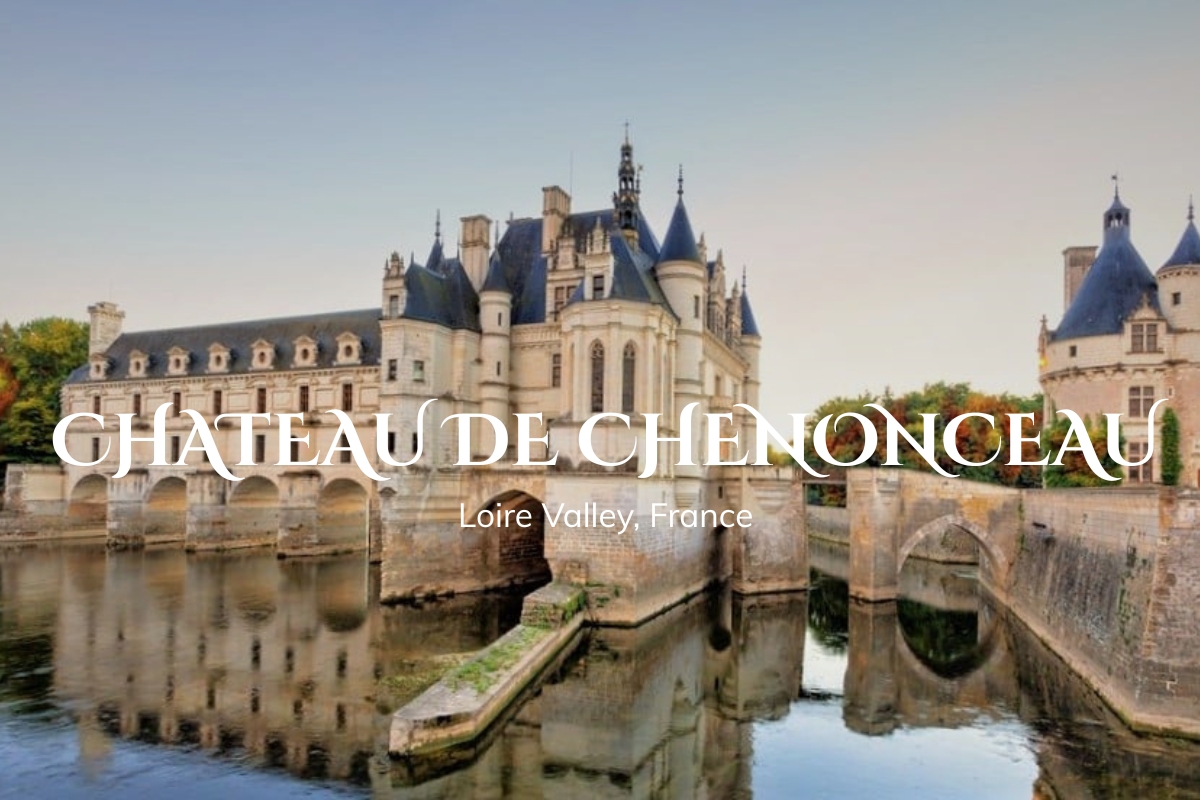
Château de Chenonceau is an extraordinary Renaissance château spanning the River Cher in the Loire Valley of France. Known as “The Ladies’ Château” due to the distinguished women who owned and influenced its design throughout history, Chenonceau is one of the most visited and photographed châteaux in France.
The original structure dates from 1514-1522 when Thomas Bohier, a royal tax collector, and his wife Katherine Briçonnet built the château on the foundations of an old mill. The most distinctive feature – the arched bridge across the River Cher – was added in 1556 by architect Philibert de l’Orme for Diane de Poitiers, Henry II’s favorite. After Henry’s death, his widow Catherine de’ Medici forced Diane to exchange Chenonceau for the Château Chaumont and commissioned the iconic two-story gallery to be built atop the bridge in 1576.
Throughout its history, remarkable women left their mark on Chenonceau, including Louise de Lorraine (who lived in mourning after her husband Henri III’s assassination), Louise Dupin (who saved the château during the French Revolution), and Simonne Menier (who turned the gallery into a military hospital during World War I).
The château features exquisite Renaissance architecture, beautifully furnished rooms with period furniture and Flemish tapestries, and two remarkable gardens – Diane de Poitiers’ geometric garden and Catherine de’ Medici’s more intimate parterre. The estate also includes a 16th-century farm, a flower garden, and a maze designed by Catherine.
Le saviez-vous ?
- The gallery that spans the River Cher was used as a hospital ward during World War I and as an escape route to the free zone during World War II.
- Chenonceau is built directly on the River Cher rather than beside it, making it unique among Loire châteaux.
- Catherine de’ Medici hosted the first-ever fireworks display in France at Chenonceau in 1560.
Localisation
Type : Château
Statut : Private (owned by the Menier family)
Région : Vallée de la Loire
Localisation : Château de Chenonceau spans the River Cher, near the small village of Chenonceaux in the Indre-et-Loire department of France, located about 34 kilometers east of Tours.
Château de Chenonceau spans the River Cher, near the small village of Chenonceaux in the Indre-et-Loire department, about 34 kilometers east of Tours.
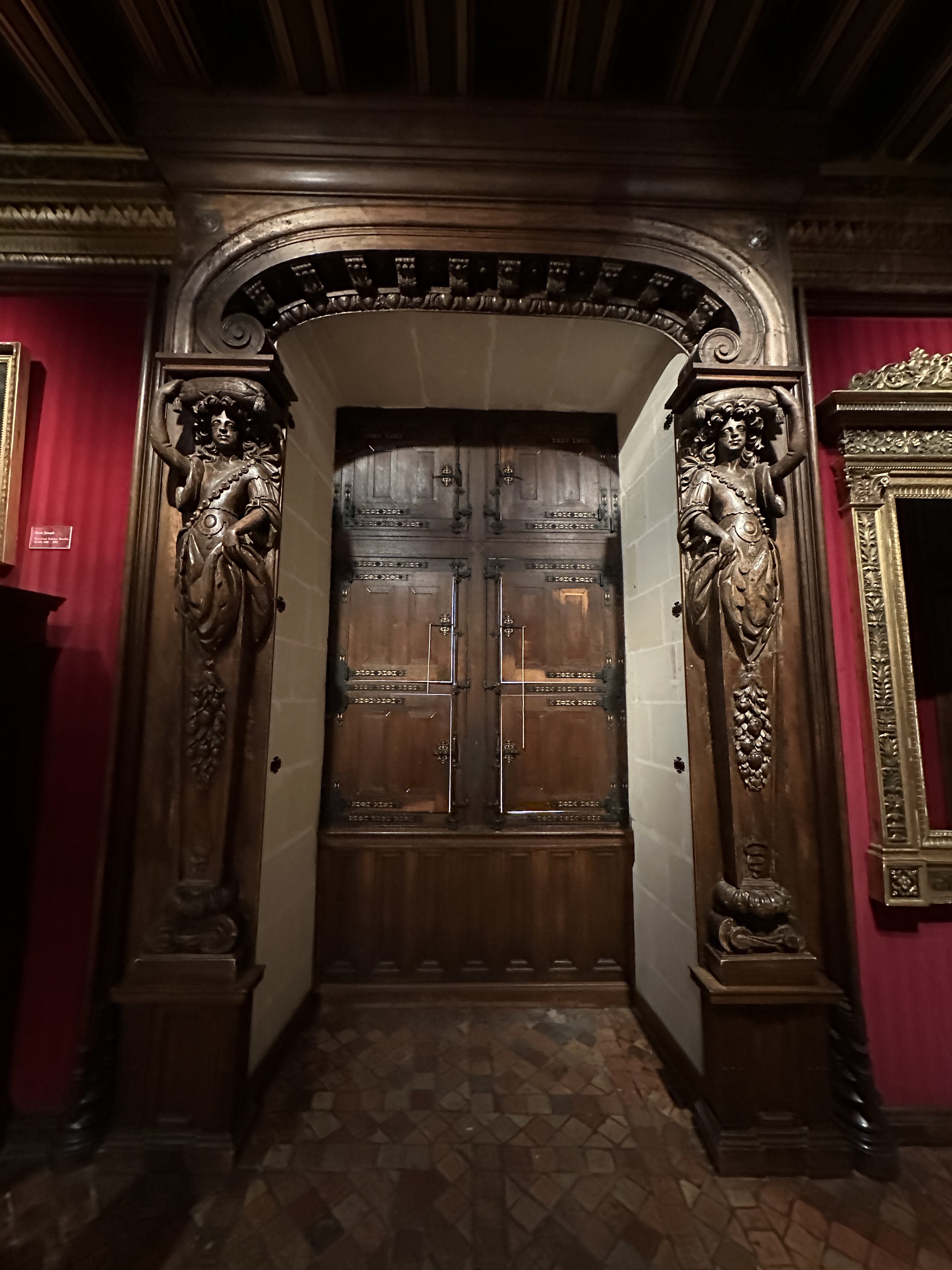
Galerie du château




Chronologie historique
First Historical Mention
The estate of Chenonceau is first mentioned in historical documents. The site was originally home to a medieval fortress and mill strategically positioned to control river traffic on the Cher River.
Castle Destruction
The original medieval fortress was burned down as punishment for its owner, Jean Marques, who was accused of sedition. This act of royal retribution would lead to the eventual rebuilding of the castle in a new form.
Rebuilding by the Marques Family
Jean Marques rebuilt a château and fortified mill on the site, establishing the foundation for what would later become one of France's most iconic castles.
Thomas Bohier's Acquisition
Thomas Bohier, Chamberlain to King Charles VIII, purchased the castle from Pierre Marques, who was deeply in debt. Bohier demolished most of the existing structure, keeping only the medieval keep (the Marques Tower).
Renaissance Construction
Thomas Bohier and his wife Katherine Briçonnet built the current château in Renaissance style on the foundations of the old mill. Katherine oversaw much of the construction while her husband was away on the king's business, creating an architectural masterpiece that would host French nobility, including King Francis I.
Royal Acquisition
King Francis I seized the château from Bohier's son for unpaid debts to the Crown, incorporating it into the royal estate. This began the château's association with the French monarchy that would continue for generations.
Diane de Poitiers' Era
After Francis I's death, King Henry II gave the château to his mistress, Diane de Poitiers, who became deeply attached to the estate. In 1555, she commissioned architect Philibert de l'Orme to build the distinctive arched bridge spanning the Cher River. She also created magnificent gardens along the riverbanks.
Catherine de' Medici's Reign
Following Henry II's death, his widow Queen Catherine de' Medici forced Diane to exchange Chenonceau for the less prestigious Château Chaumont. Catherine made Chenonceau her favorite residence, hosting spectacular parties and adding the famous two-story gallery atop Diane's bridge (1576-1577). She also managed the Kingdom of France from her study, the Green Cabinet.
The White Queen's Mourning
After Catherine's death, the château passed to her daughter-in-law, Louise de Lorraine, wife of King Henry III. When Louise learned of her husband's assassination in 1589, she fell into deep mourning, wandering the château's corridors dressed in white (the royal color of mourning) surrounded by black tapestries embroidered with skulls and crossbones.
Last Royal Visit
King Louis XIV made the last royal visit to Chenonceau during the Ancien Régime. The château remained in the hands of the Duke of Vendôme and his descendants for over a century, though they showed little interest in the property except for hunting.
Age of Enlightenment
Claude Dupin purchased the château, and his wife Louise Dupin established a famous literary salon, hosting Enlightenment luminaries such as Voltaire, Montesquieu, Rousseau, and Buffon. During the French Revolution, Louise Dupin saved the château from destruction by arguing it was essential for transportation and commerce as the only bridge across the river for many miles.
Marguerite Pelouze's Restoration
Wealthy heiress Marguerite Pelouze acquired the château and commissioned extensive restorations, removing several of Catherine de' Medici's additions and renovating the interior. Her lavish spending on the château and elaborate parties eventually led to financial ruin and the forced sale of the property.
Menier Family Acquisition
Henri Menier, of the famous chocolate manufacturing family, purchased the château. The Menier family would become responsible for preserving and protecting Chenonceau through two world wars.
World War I Hospital
During World War I, Gaston Menier transformed Chenonceau into a military hospital at his own expense. The grand gallery over the Cher River, with its excellent natural lighting, served as a hospital ward for wounded soldiers.
World War II Resistance
During World War II, the Cher River marked the boundary between Nazi-occupied France and the "free" zone. The château's gallery, spanning the river, became a secret passage for resistance fighters and refugees escaping Nazi tyranny, with the Menier family helping to smuggle people to safety.
France's Most Visited Private Château
Today, Château de Chenonceau is the most visited private château in France, welcoming over 800,000 visitors annually. Still owned by the Menier family, it continues to enchant visitors with its unique architecture spanning the Cher River, its magnificent gardens, and its rich history shaped by the remarkable women who owned and loved it through the centuries.