

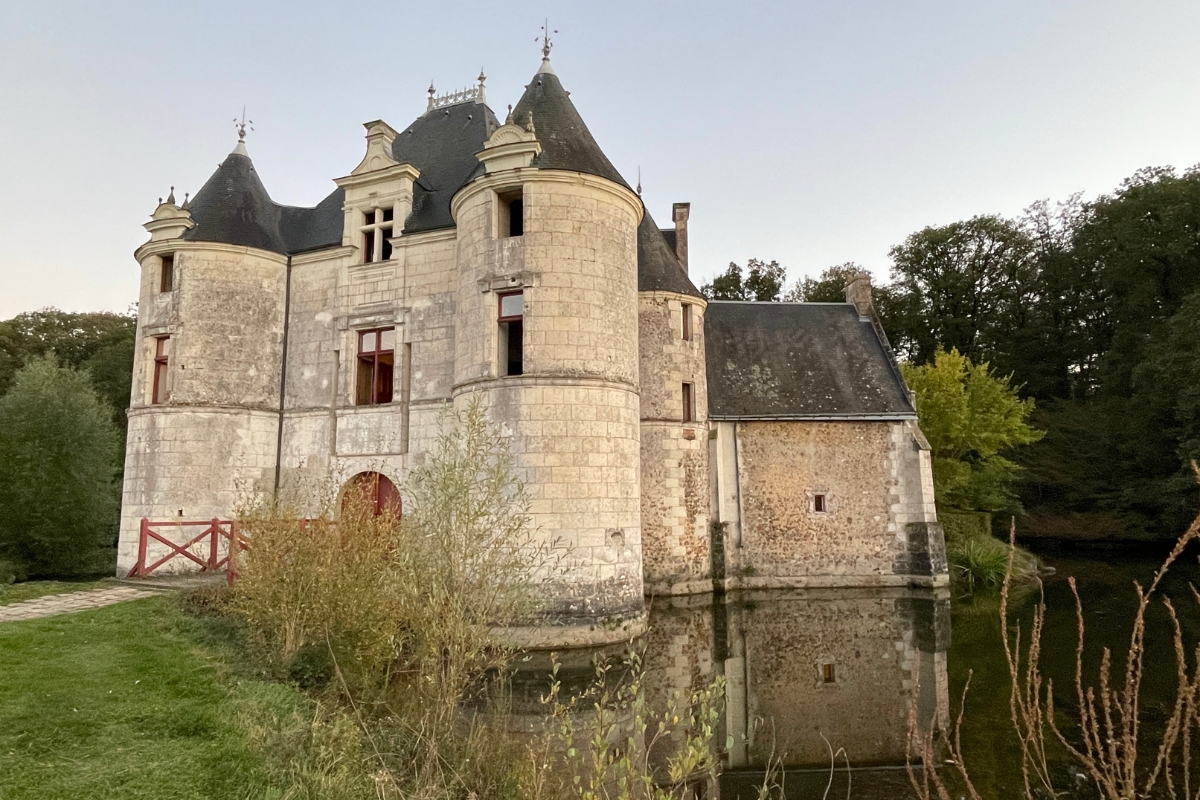
As our car wound through the lush Loire Valley, anticipation built with every turn. We were on our way to Le Chatelet, a 16th-century Renaissance gem located just 25 kilometers south of Tours. Little did we know that we were about to embark on a journey not just through space, but through time itself.
First Impressions: A Glimpse into the Past
As we rounded the final bend, Le Chatelet revealed itself like a vision from another era. Its elegant Renaissance facade, adorned with large symmetrical windows and intricate stone carvings, stood in stark contrast to the 20 hectares of lush parkland surrounding it. For a moment, I could almost imagine being a noble visitor arriving by horse-drawn carriage, rather than our modest rental car.
Stepping out of the car, the first thing that struck me was the silence. Gone was the hustle and bustle of modern life, replaced by the gentle rustle of leaves and the distant call of birds. It was as if the château existed in its own peaceful bubble, untouched by the passage of time.

Checking In: Modern Luxury Meets Renaissance Charm
As we entered the château, we were greeted warmly by our host, Gregoire Le Lasseux. The interior was a masterful blend of Renaissance architecture and modern comfort. The grand stone staircase, worn smooth by centuries of footsteps, led us to our suite. Each step felt like a step further back in time.
Our suite was a revelation. While the furnishings and decor echoed the château’s 16th-century roots, the amenities were decidedly 21st century. A plush bed promised a restful night’s sleep, while the en-suite bathroom offered all the modern conveniences we could ask for. Wi-Fi was available, but for once, I felt no urge to check my emails. Why connect to the internet when you can connect to history?
An Evening Stroll: Exploring the Grounds
As the afternoon sun began to dip, we decided to explore the château’s extensive grounds. The 20 hectares of wooded parkland were a nature lover’s paradise. Ancient trees, their branches reaching skyward, stood as silent sentinels. Some, our host informed us, might well have been saplings when the château was built in the early 16th century.
As we walked, I couldn’t help but imagine the countless others who had strolled these same paths over the centuries. Had King Francis I himself, during whose reign the château was built, ever visited? What secrets and stories were held in the whispers of the wind through the leaves?
Dinner at Sunset: A Taste of History
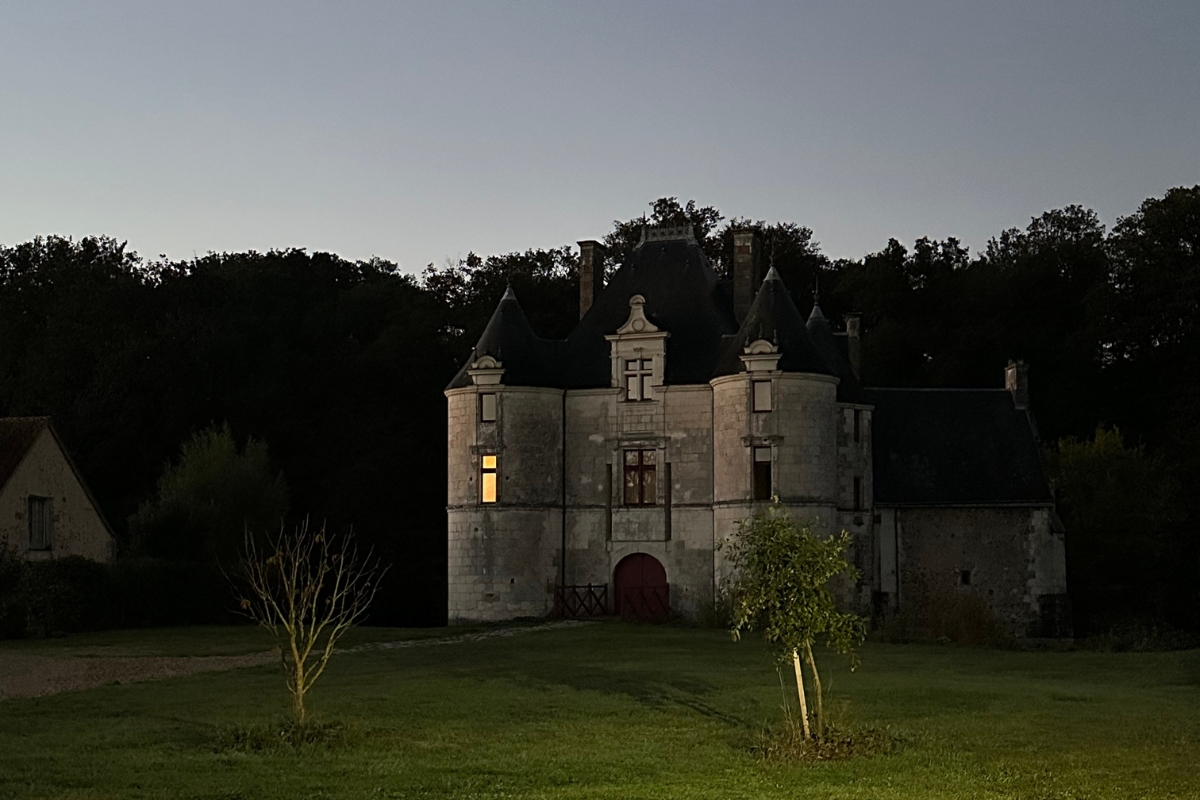
That evening, we were prepared a sumptuous dinner in the château’s dining room. The lights cast shadows on the stone walls, and for a moment, it was easy to imagine we had slipped back in time. The meal, a delightful blend of traditional Loire Valley cuisine with modern gastronomy, was the perfect complement to our historical surroundings.
Over dinner, our kind host Gregoire, shared the fascinating history of Le Chatelet, and we were captivated by the tales of its rich past. We learned that while the château’s early history before the 16th century remains somewhat mysterious, its story truly begins around 1520 when a nobleman named René Gallebrun settled here.
René Gallebrun was responsible for building or rebuilding Le Chatelet on an ancient medieval mound, creating the foundation of the château we see today. Our host explained how the architecture reflects a fascinating blend of styles – embracing the new Renaissance motifs like shells and pilasters, while still incorporating elements from the late Middle Ages such as firing ports, grooves for a drawbridge, and a moat.
We were particularly intrigued to hear about the chapel, the oldest part of the château. Its ribbed vault is adorned with René Gallebrun’s coat of arms – a lion crowned with five roses. Our host painted a vivid picture of life in those times, mentioning that during Gallebrun’s era, the château grounds also included a windmill for grinding flour and a half-timbered building.
The château’s more recent history proved equally fascinating. In 1718, the estate was acquired by Gilles Anguille des Ruaux, a treasurer of France in Tours who owned numerous properties throughout the Indre Valley. What captured our imagination was learning about the château’s unique legacy of being passed down through generations, often through the female line.
We were amazed to discover that the current owner, Véronique le Lasseux (née Lannoy), is a direct descendant – nine generations removed – from Véronique Pichard, who inherited the château in 1799. The thought that this beautiful place has been in the same family for 300 years was truly awe-inspiring.
Our host also shared some literary connections that added another layer of intrigue to the château’s history. We learned that Honoré de Balzac, who often stayed nearby, likely knew the building and mentioned neighboring castles in his novel “La Pucelle de Thilouze.” Even more fascinating was the château’s role during World War II, when it provided refuge for Loys Masson, a poet of the Resistance and friend of Louis Aragon. Masson hid here for over a year in 1943-1944, even writing a book, “La Douve,” about his experiences.
As we finished our dessert, our host told us about the extensive restoration work undertaken since 2006. We were impressed to learn that much of the work was carried out by the owners themselves, preserving the château that has remained largely unchanged since its construction – a fact that led to its classification as a Historic Monument in 1962.
A Night in History: Dreams of the Past
As we retired to our suite, the weight of history felt palpable. Looking out of our window at the moonlit grounds, I reflected on the château’s journey through time. From its days as a medieval fortress to its Renaissance transformation, through the turbulent years of the French Revolution and beyond, Le Chatelet had stood as a silent witness to the ebb and flow of French history.
I fell asleep that night to dreams of grand balls, royal visits, and the countless lives that had intersected with this remarkable place over its five centuries of existence.

Discovering Thilouze: A Slice of Authentic French Village Life
While Le Chatelet was undoubtedly the star of our Loire Valley adventure, we quickly fell in love with its charming setting – the picturesque village of Thilouze. As we ventured beyond the château grounds, we discovered a place that seemed to embody the essence of rural French life.
Thilouze, with its population of just over 1,500 residents, is a quintessential French village. Its narrow streets are lined with traditional stone houses. The village square, centered around an ancient church whose bells mark the passing hours, serves as the heart of community life.
We spent a delightful afternoon wandering through Thilouze, admiring the well-tended flower boxes that adorned many windows and the occasional cat sunning itself on a weathered stone wall. The pace of life here is delightfully slow, a refreshing change from the hustle and bustle of our usual urban existence.
Morning Rituals: A Trip to the Local Bakery
One of the highlights of our stay was our daily morning trip to the local bakery. Stepping out of the château gates, we’d make our way through the misty morning air, following the irresistible aroma of freshly baked bread.
The bakery, a small, unassuming shop on one of Thilouze’s winding streets, became our morning ritual. As we pushed open the door, the little bell announcing our arrival, we were greeted by the warm smile of the baker’s wife. Her husband could often be glimpsed in the back, his flour-dusted apron a testament to his early morning labors.
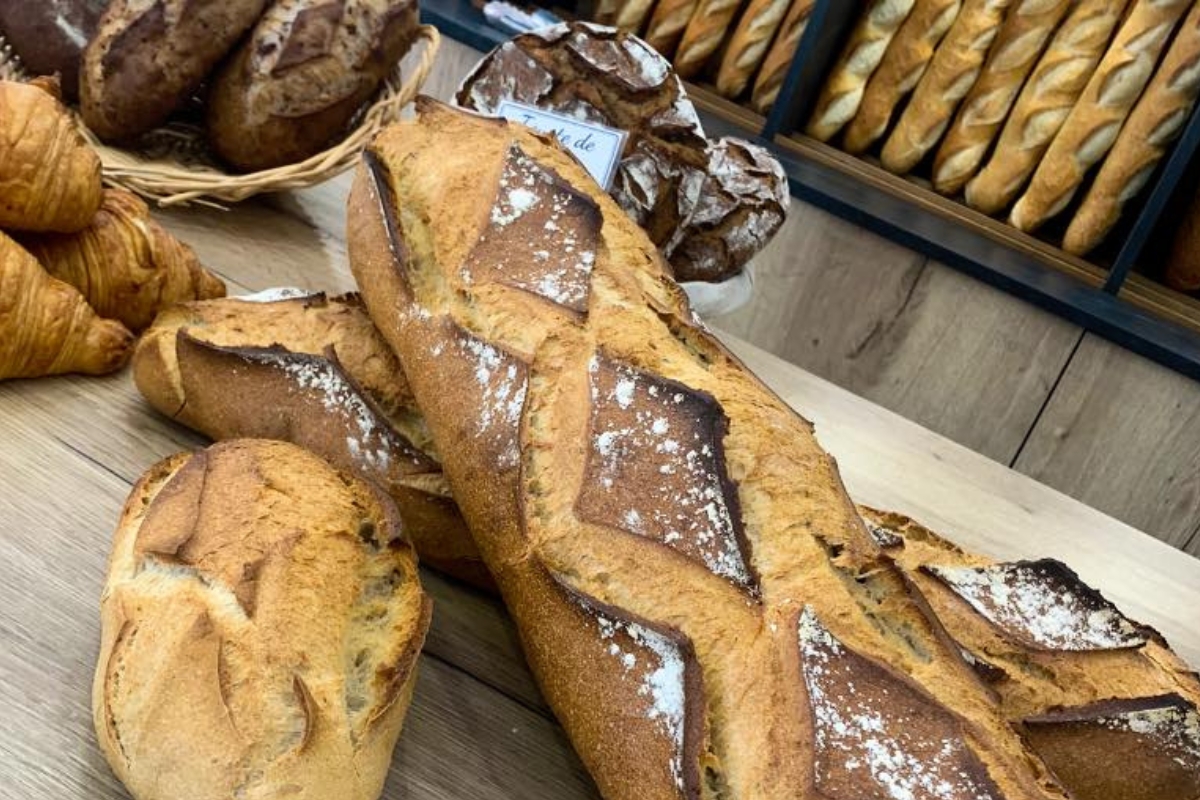
“Bonjour! Qu’est-ce que vous désirez aujourd’hui?” she would ask, her eyes twinkling as we stumbled through our French. But language was no barrier when it came to the universal joy of fresh pastries. We’d point to the golden croissants, their layers promising buttery perfection, and the pain au chocolat, still warm from the oven.
But the real star was the baguette tradition, the classic French bread that the baker had perfected over decades. Its crust crackled satisfyingly as his wife wrapped it in paper, the aroma enough to make our mouths water in anticipation.
Some mornings, we’d also pick up a tarte aux pommes, its spiral of thinly sliced apples glistening with apricot glaze, to enjoy with our afternoon tea back at the château.
The drive back to Le Chatelet, arms laden with our freshly baked treasures, became a cherished part of our stay. We’d stroll through the village as it slowly came to life – shopkeepers raising their shutters, elderly gentlemen gathering for their morning coffee and spirited discussions at the local café, children on their way to the village school.
These morning excursions offered us a glimpse into the rhythm of village life, a chance to feel, if only for a moment, like we were part of this timeless community. It was a beautiful counterpoint to the grandeur of Chateau Le Chatelet – the simple, everyday pleasures of French village life complementing the château’s historical splendor.
A Perfect Blend: Château Luxury and Village Charm
Back at the château, we’d enjoy our breakfast on the terrace overlooking the misty parkland. The contrast was striking – the elegant Renaissance architecture of Le Chatelet before us, the tastes and smells of the village bakery on our plates. It was a perfect encapsulation of what makes a stay here so special: the blend of luxury and history with the authentic, everyday charm of French rural life.
As we sipped our coffee and bit into our still-warm croissants, we reflected on how Le Chatelet and Thilouze together offered a complete experience of the Loire Valley. The château gave us a taste of the region’s rich history and architectural beauty, while the village allowed us to connect with its living, breathing present.

Morning Reflections: The Enduring Allure of Le Chatelet
We awoke to birdsong and the soft morning light filtering through the windows. After a delicious breakfast that perfectly blended French culinary tradition with modern tastes, we took one last walk around the château.
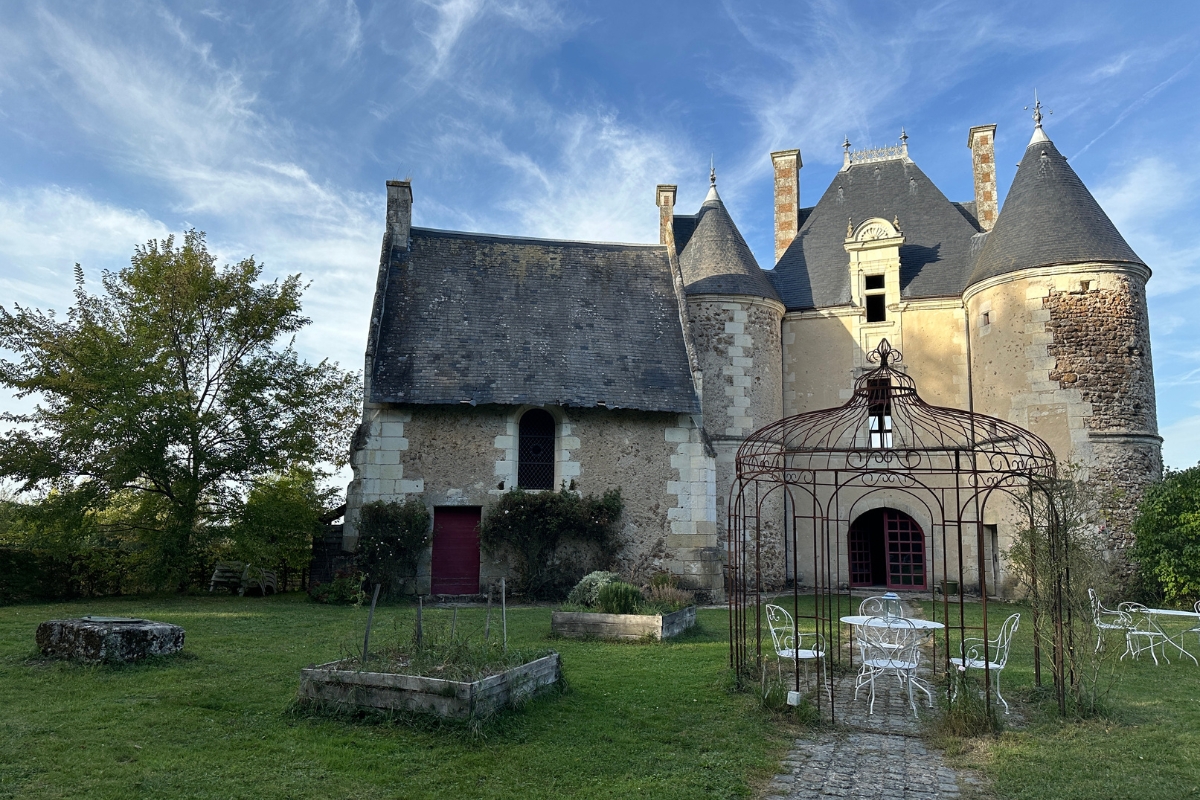
In the clear light of day, the full beauty of Le Chatelet’s Renaissance architecture was on display. The symmetrical design, the large windows, the ornate stone carvings – all spoke to the artistic and cultural flowering of 16th-century France.
As we reluctantly prepared to leave, I found myself profoundly grateful. Grateful to the families who had preserved this château through the centuries, from the Menou and Barjot families of the Old Regime to Gregoire Le Lasseux and his family who spent 15 years restoring and preserving it.
Final Thoughts: More Than Just a Stay
Our stay at Le Chatelet was more than just a luxury getaway. It was a journey through time, a tangible connection to centuries of French history and culture. From its origins as a medieval fortress to its Renaissance rebirth and its current life as a meticulously preserved historical site and luxury accommodation, Le Chatelet embodies the enduring allure of the Loire Valley.
As we drove away, stealing one last glance at the château in our rearview mirror, I knew that we had experienced something truly special. In a world that often seems to move too fast, Chateau Le Chatelet offered us a precious gift – the chance to step back in time, to connect with history, and to dream, if only for a night, that we too were a part of its ongoing story.

Traveler Tips: Making the Most of Your Le Chatelet Experience
After our unforgettable stay at Le Chatelet, we’d like to share some tips to help you make the most of your visit:
- Book in Advance: Le Chatelet offers a unique experience, and accommodations are limited. To avoid disappointment, book your stay well in advance, especially during peak season (typically late spring through early fall).
- Transportation: While public transportation in the Loire Valley can be limited, we found renting a car to be the most convenient option. It not only makes getting to the château easier but also allows you to explore the beautiful surrounding area at your leisure.
- Pack Appropriately: The Loire Valley weather can be changeable. Bring layers for cool evenings, comfortable walking shoes for exploring the grounds, and perhaps a nicer outfit for dinner if you’re planning to dine at the château.
- Explore the Grounds: Don’t miss the opportunity to wander through the 20 hectares of parkland. Early morning or late afternoon walks are particularly beautiful, with golden light filtering through the ancient trees.
- Bring a Camera: The château and its grounds offer numerous photo opportunities. However, always check with your hosts about any photography restrictions inside the château.
- Learn Some French: While many staff members speak English, knowing a few basic French phrases can enrich your experience and is always appreciated.
- Plan Your Itinerary: If you’re planning to explore the Loire Valley, consider making Le Chatelet your base. Many other famous châteaux and wineries are within easy driving distance.
- Embrace the Experience: Remember, staying at Le Chatelet is more than just accommodation – it’s a journey through history. Take time to soak in the atmosphere, ask questions about the château’s history, and imagine the centuries of stories held within its walls.
- Explore Thilouze: Take time to wander through the village of Thilouze. Its charming streets, friendly locals, and slower pace of life offer a perfect complement to the grandeur of the château.
- Visit the Local Bakery: Make a morning trip to the village bakery a part of your routine. It’s a great way to experience local life and enjoy some of the best pastries and bread you’ll ever taste. Remember, most French bakeries open early but may close by mid-afternoon, so plan accordingly.
- Practice Your French: While many people in the tourism industry speak English, in small villages like Thilouze, a little French goes a long way. Even simple phrases will be appreciated and can enhance your experience.
- Respect Local Customs: Remember that you’re not just visiting a tourist site, but a living, working village. Be mindful of noise levels, especially early in the morning or late at night, and always ask before taking photos of local people or private properties.
For the most up-to-date information on accommodations, availability, and booking, we recommend visiting the official Le Chatelet website. Here, you’ll find detailed information about the suites, amenities, and any special packages or events that might be available during your stay.
A visit to Le Chatelet offers more than just a luxurious stay in a historical setting – it’s an opportunity to immerse yourself in the rich tapestry of French rural life, from the grand to the everyday. Whether you’re exploring centuries of history within the château walls or savoring a freshly baked croissant in the village square, every moment promises to be unforgettable.


