


Which château to visit in the Loire Valley? If you’re planning a trip, you may be tempted to head straight to the iconic Château de Chambord or Château de Chenonceau. However, beyond these tourist-favorite landmarks, the Loire Valley conceals a wealth of lesser-known gems that offer equally captivating experiences—minus the crowds. In this guide, we’ll explore 10 hidden treasures that promise to make your visit to the Loire Valley unforgettable.
Located in the heart of France, the Loire Valley—often called the “Garden of France”—is renowned for its historic châteaux, scenic vineyards, and picturesque villages. With over 300 châteaux spread throughout the region, deciding which château to visit in the Loire Valley can feel overwhelming. While the big names draw plenty of attention, some of the most rewarding experiences lie off the beaten path, where you can truly savor the history and beauty at your own pace.
Picture yourself exploring peaceful gardens once walked by French nobility, stepping into grand halls brimming with untold stories, or discovering architectural details that have stood the test of time. These hidden châteaux offer an authentic glimpse into the past, with fewer visitors and a chance to connect with the soul of the region.
Why Choose Lesser-Known Châteaux?
Choosing which château to visit in the Loire Valley doesn’t mean sticking only to the most famous sites. Lesser-known châteaux provide a more intimate and personal experience—perfect for travelers seeking quieter moments and deeper connections with history. Without the bustling crowds, you can immerse yourself in the architecture, landscape, and stories of each location.
Additionally, visiting these hidden gems helps preserve France’s cultural heritage, as many of them rely on visitor support for ongoing maintenance and restoration. Some are set amid unspoiled countryside, far from the typical tourist infrastructure, where you can enjoy views just as visitors did centuries ago. It’s a chance to slow down, explore charming corners of the Loire Valley, and discover unique features—from medieval fortresses to whimsical Renaissance designs.
So, which château to visit in the Loire Valley? If you’re ready to venture beyond the crowds, keep reading. In this guide, we’ll take you through 10 lesser-known châteaux, each offering its own distinctive charm. Whether you’re enchanted by fairy-tale towers, curious about medieval strongholds, or eager to explore Renaissance art and architecture, these hidden gems will make your journey through the Loire Valley truly memorable.
The 10 Hidden Gems of the Loire Valley
1. Château de Sully-sur-Loire
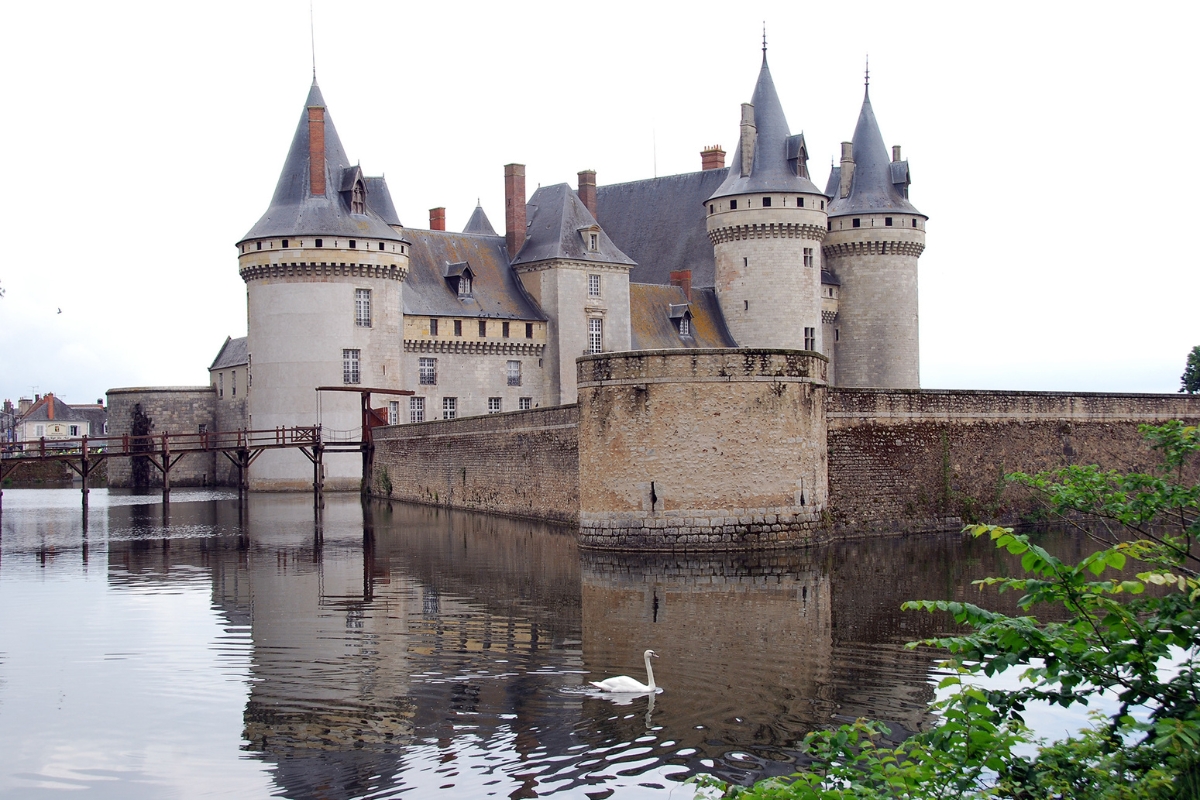
Nestled on the banks of the Loire River, the Château de Sully-sur-Loire stands as a testament to medieval military architecture and Renaissance refinement. This lesser-known gem offers visitors a unique blend of fortified castle and elegant residence.
Historical Significance
The château’s history spans over a millennium, with its origins dating back to the end of the 14th century. It was built by Guy de La Trémoïlle but is most famously associated with Maximilien de Béthune, Duke of Sully and faithful minister to King Henry IV of France. Sully acquired the château in 1602 and transformed it into a comfortable residence while maintaining its defensive capabilities.
Architectural Highlights
The massive cylindrical keep, flanked by four towers, dominates the château’s silhouette. This structure, one of the last of its kind built in France, offers panoramic views of the Loire River and surrounding landscape. Despite its fortified exterior, the château’s interiors showcase elegant Renaissance design, with beautifully decorated rooms and period furnishings.
The château’s great hall, with its impressive dimensions and intricate wooden ceiling, offers a glimpse into the lavish lifestyle of French nobility. A small but exquisite Gothic chapel adds to the architectural diversity of the site.
Visitor Experience
A visit to Château de Sully-sur-Loire offers an authentic medieval castle experience, rare among Loire Valley châteaux. The château’s association with the Duke of Sully, a key figure in French history, adds depth to the visit. Sully’s apartments, preserved in their 17th-century state, provide insight into the life of this influential statesman.
The picturesque setting on the banks of the Loire River creates stunning photo opportunities, especially when reflected in the waters during sunrise or sunset. Throughout the year, the château hosts various cultural events, including medieval fairs and classical music concerts, adding an extra dimension to your visit.

2. Château de Chaumont-sur-Loire
Perched high above the Loire River, the Château de Chaumont-sur-Loire is a stunning example of Renaissance architecture with a rich and sometimes tumultuous history. While it may not be as well-known as some of its neighbors, Chaumont offers visitors a unique blend of historical significance, architectural beauty, and contemporary art.
Historical Journey
The château’s history dates back to the 10th century, but it gained prominence in the 15th century when King Louis XI burned it down. It was rebuilt by Charles I d’Amboise starting in 1465, with significant renovations continuing into the 16th century. The château has connections to many historical figures, including Catherine de Medici, who acquired it in 1560.
Architectural Marvels
Despite its later Renaissance additions, Chaumont retains some of its medieval defensive features, including a drawbridge and cylindrical towers. The courtyard façade is a beautiful example of early French Renaissance architecture, with its ornate decorations and large windows. Inside, an impressive spiral staircase showcases the hallmark of Renaissance design.
International Garden Festival
Since 1992, Château de Chaumont-sur-Loire has hosted the International Garden Festival, a renowned event in the world of garden design. Each year, landscape architects and designers from around the world create innovative, thought-provoking gardens within the château grounds. This unique feature sets Chaumont apart from other Loire Valley châteaux and attracts visitors interested in both historical architecture and contemporary design.
Visitor Experience
Chaumont offers a blend of history and contemporary art that’s rare among Loire Valley châteaux. Its elevated position provides some of the best views of the Loire Valley, while the annual garden festival ensures there’s always something new to discover. The château also offers various workshops and educational programs, making it an excellent destination for families and school groups.

3. Château d’Azay-le-Rideau
Often described as an island castle, the Château d’Azay-le-Rideau is a picturesque masterpiece of early French Renaissance architecture. Built on an island in the Indre River, this château offers visitors a fairy-tale setting combined with historical significance and architectural beauty.
A Rich History
The château was built between 1518 and 1527 by Gilles Berthelot, a wealthy financier who wanted to combine the latest technical innovations of the Italian Renaissance with traditional French château design. However, Berthelot was suspected of embezzlement and forced to flee the château before its completion. It was later seized by King Francis I and has since passed through various owners, each leaving their mark on its history and design.
Architectural Splendor
Azay-le-Rideau showcases some of the finest early French Renaissance architecture, with its elegant proportions and ornate decorations. The château’s monumental staircase, visible from outside through large windows, is a prime example of French Renaissance architecture. Inside, the rooms are beautifully decorated with period furniture, tapestries, and artworks, offering a glimpse into Renaissance life.
Reflections of Beauty
The château’s most striking feature is its reflection in the surrounding water, creating a dream-like image that has inspired artists for centuries. This mirror image has made Azay-le-Rideau one of the most photographed châteaux in the Loire Valley. The reflection is particularly magical during evening illuminations or early morning when the water is calm.
Visitor Experience
A visit to Azay-le-Rideau offers a journey through the evolution of French monarchy and art. Its less crowded halls allow for a more intimate experience of royal life than some of its counterparts. The château is surrounded by a romantic English-style park, perfect for a leisurely stroll. During summer evenings, a sound and light show brings the château to life, offering a magical experience.
4. Château de Beauregard
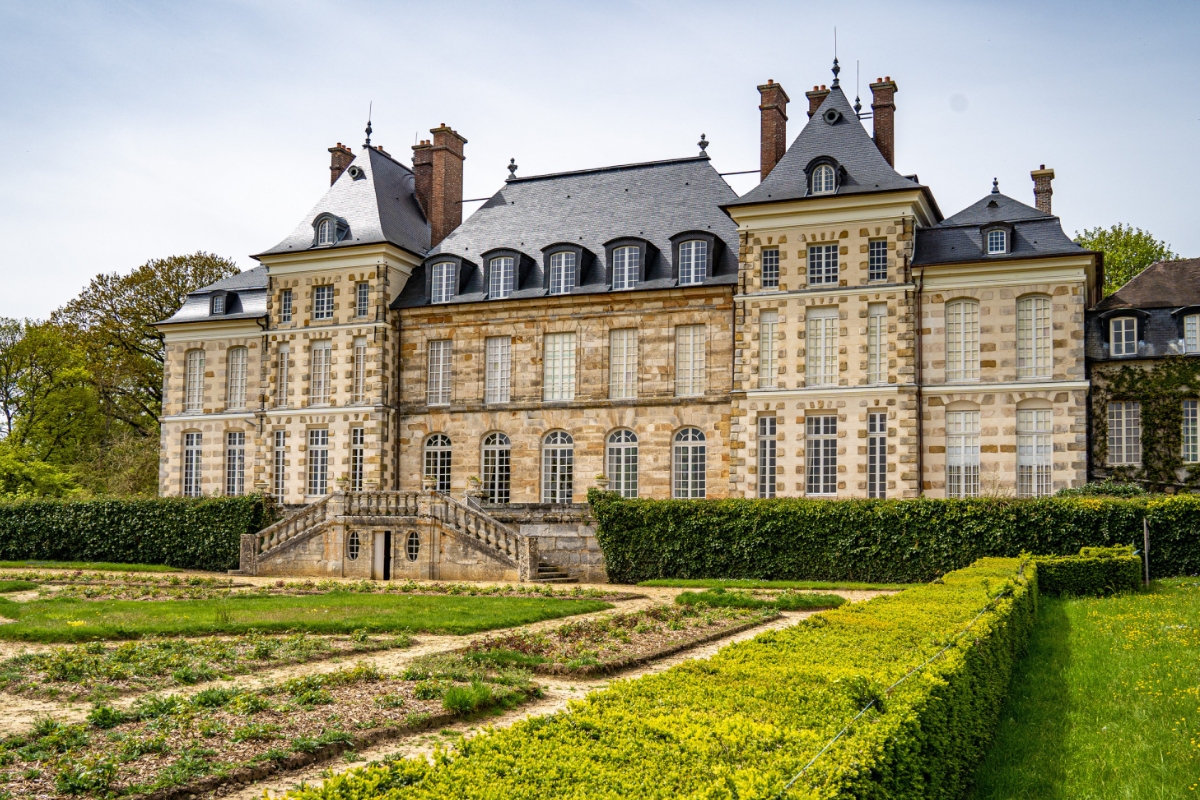
Hidden away in the forests near Blois, the Château de Beauregard offers visitors a unique glimpse into French history through its world-renowned Portrait Gallery. This lesser-known gem combines beautiful architecture with an unparalleled collection of historical portraits.
Historical Significance
Built in the 15th century on the site of a former fortress, Beauregard gained prominence in the 16th century when it was acquired by Jean du Thier, Secretary of Finance to King Henry II. It later became a favorite hunting lodge for French kings, including Henry IV. The château’s most famous feature, the Portrait Gallery, was created in the 17th century by Paul Ardier, Treasurer of France.
The Remarkable Portrait Gallery
The Portrait Gallery is the château’s crowning jewel and what sets it apart from other Loire Valley castles. This remarkable room contains 327 portraits of important European figures from the 14th to 17th centuries. The portraits are arranged chronologically, offering a unique visual journey through European history.
The gallery floor is covered with 5,500 Delft tiles, each depicting a different soldier in period costume. The ceiling is adorned with paintings representing the months and seasons. This collection provides a fascinating insight into the political landscape of Renaissance Europe.
Beautiful Gardens
Surrounding the château are beautiful gardens that are worth exploring. These include a meticulously manicured French-style garden, a more natural English-style park with walking paths and ancient trees, and a charming kitchen garden showcasing heritage vegetables and fruits.
Visitor Experience
Beauregard offers a unique perspective among Loire Valley châteaux. Its Portrait Gallery is unparalleled in its scope and presentation of European history. Being less known than some of its neighbors, Beauregard offers a more relaxed and intimate visiting experience. The château provides interactive tablets that offer detailed information about the portraits and the château’s history, making it an excellent destination for history buffs and families alike.

5. Château de Valençay
Straddling the border between the Loire Valley and Berry regions, the Château de Valençay is a harmonious blend of Renaissance and Classical architecture that often flies under the radar of many Loire Valley visitors. This hidden gem offers a unique glimpse into the life of one of France’s most influential diplomats and a rich tapestry of historical connections.
Talleyrand’s Legacy
The château is inextricably linked to Charles Maurice de Talleyrand-Périgord, the famous French diplomat who served under Napoleon Bonaparte and several subsequent regimes. Talleyrand purchased Valençay in 1803 at Napoleon’s behest, using it to entertain foreign dignitaries and host elaborate functions. His influence is felt throughout the château, from the sumptuous furnishings to the extensive library.
Architectural Harmony
Valençay showcases a harmonious mix of architectural styles. The château’s oldest parts date from the Renaissance, featuring ornate decorations and large windows typical of the period. Later additions in the 17th and 18th centuries introduced Classical elements, creating a balanced and elegant façade. The interiors reflect Talleyrand’s refined taste, with Empire-style furnishings, valuable artworks, and a remarkable library of over 3,000 volumes.
Expansive Parklands
The château is surrounded by over 53 hectares of parkland, offering visitors plenty to explore. This includes meticulously manicured French formal gardens, a more natural English landscape park perfect for leisurely walks, a small vineyard producing wine exclusively for the château, and an educational farm showcasing heritage breeds of farm animals.
Visitor Experience
A visit to Valençay offers insight into French diplomatic history through its connection to Talleyrand. The château’s blend of styles provides a unique perspective on French architectural evolution. Many rooms retain their original furnishings, offering an authentic glimpse into early 19th-century aristocratic life. The château’s kitchens are renowned and still produce the famous Valençay cheese. Throughout the year, Valençay hosts various events, including classical music concerts and historical reenactments, adding to its appeal as a destination.
6. Château de Villandry
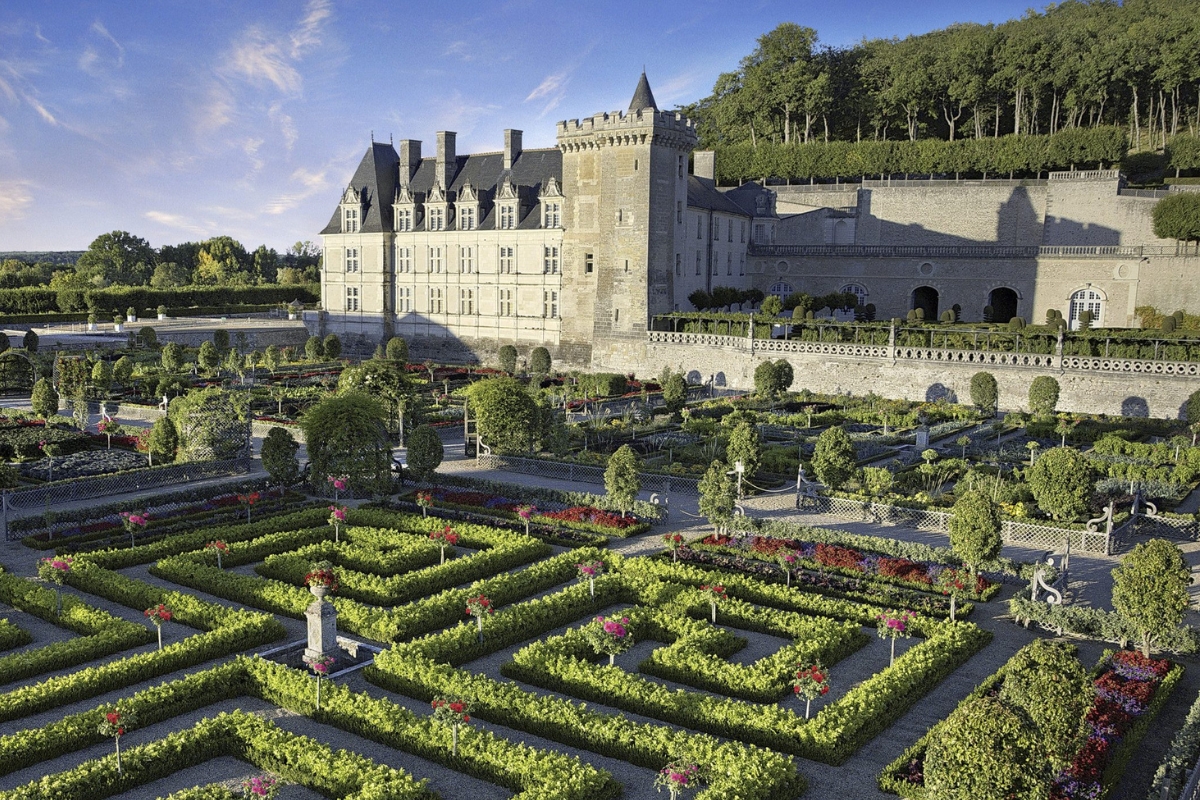
While Villandry might be more recognized than some others on this list, it still qualifies as a hidden gem due to its unique focus on gardens. The Château de Villandry is renowned worldwide for its exceptional gardens, offering visitors a harmonious blend of architecture and horticulture that sets it apart from other Loire Valley châteaux.
Renaissance Roots
Built in 1536, Villandry was the last of the great Renaissance châteaux erected in the Loire Valley. Its architecture is notable for the distinctive keep, dating from 1536, which is the oldest part of the building and offers panoramic views of the gardens. The main façade showcases classic Renaissance symmetry and large windows, while the interiors offer a charming glimpse into different periods of French decoration.
World-Famous Gardens
The true stars of Villandry are its magnificent gardens, meticulously restored in the early 20th century based on Renaissance designs. The gardens are laid out on three levels, each with its own distinct theme and design:
The Love Garden is divided into four squares representing different types of love: tender, passionate, fickle, and tragic. The Vegetable Garden is a masterpiece of decorative horticulture, with intricate patterns created using different colored and textured vegetables. The Water Garden provides a serene space with a large pond and lime trees, while the Sun Garden, a more modern addition, features perennials and a maze.
Visitor Experience
A visit to Villandry offers a unique perspective among Loire Valley châteaux. Its world-famous gardens are considered among the most beautiful globally and change with the seasons, offering a new experience with each visit. The château provides insights into Renaissance garden design and sustainable horticulture practices. With its maze and vast grounds, Villandry is an excellent destination for families, while the panoramic views from the château’s tower appeal to all visitors.

7. Château du Rivau
Stepping into the grounds of Château du Rivau is like entering a fairy tale. This lesser-known gem combines medieval architecture with whimsical gardens and contemporary art, creating a unique and enchanting experience that sets it apart from other Loire Valley châteaux.
Fairytale Architecture
Château du Rivau’s architecture is a charming blend of medieval military design and Renaissance elegance. The château retains its original 15th-century fortified gatehouse, complete with drawbridge and machicolations. The pointed roofs of its towers evoke images from children’s storybooks, while large windows added during the Renaissance soften the medieval military appearance.
Contemporary Art in a Historical Setting
What sets Rivau apart is its commitment to contemporary art. The château houses a collection of contemporary artworks that complement and sometimes playfully contrast with its historical setting. Regular exhibitions showcase works by both established and emerging artists. The gardens feature numerous contemporary sculptures, creating surprising and delightful encounters throughout the grounds.
Enchanting Gardens
Rivau’s gardens are as much an attraction as the château itself. Each garden is inspired by a different fairy tale or legend, with plants and sculptures evoking magical stories. A scent garden engages all the senses, while a kitchen garden showcases heritage vegetables. The gardens also boast over 450 varieties of roses, many of which are rare or historical varieties.
Visitor Experience
A visit to Château du Rivau offers a unique blend of architectural grandeur, artistic flair, and enchanting gardens. Its fairy tale themes and interactive elements make it an excellent destination for families. The integration of contemporary art offers a fresh perspective on château visits, while the gastronomic offerings, including a restaurant using produce from the château’s own gardens, provide a true farm-to-table experience.
8. Château de Montrésor
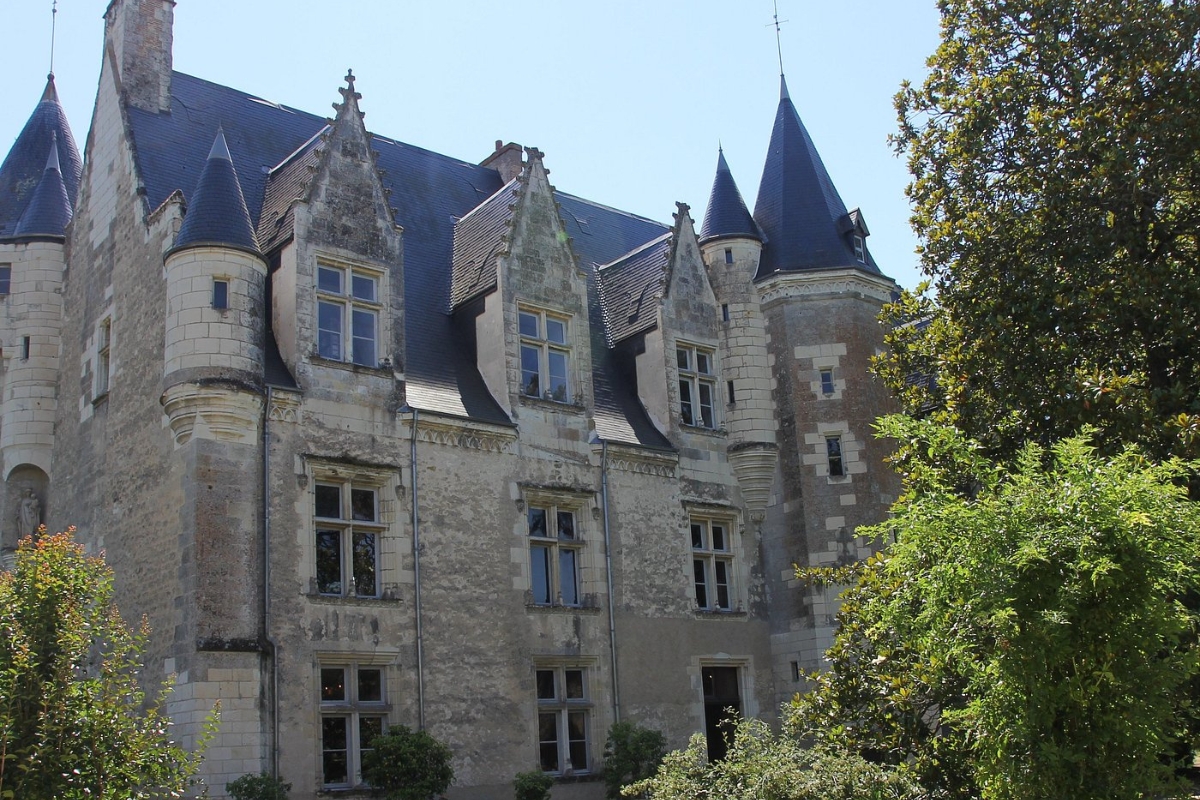
Nestled in one of the most beautiful villages in France, Château de Montrésor is a hidden gem that offers visitors a unique blend of medieval and Renaissance architecture, coupled with an unexpected Polish connection. This lesser-known château provides an intimate glimpse into both French and Polish history, set against the backdrop of a picturesque Loire Valley village.
A Village Frozen in Time
Montrésor’s designation as one of the “Plus Beaux Villages de France” is well-deserved. The village retains its medieval street plan, with narrow winding streets and half-timbered houses. The Indrois River runs through the village, adding to its picturesque charm. Besides the château, the village boasts a collegiate church and several other historic structures.
Polish-French Heritage
What sets Montrésor apart is its unique connection to Polish history. In 1849, the château was purchased by Xavier Branicki, a Polish count in exile. The interior houses an impressive collection of Polish art and historical artifacts. The château remains in the hands of Branicki’s descendants, maintaining its Polish connection.
Romantic Riverside Setting
The château’s position overlooking the Indrois River adds to its romantic appeal. The château is beautifully reflected in the river, creating stunning photo opportunities. A path along the river offers charming views of the château and village, while an ancient bridge across the Indrois completes the fairy-tale setting.
Visitor Experience
A visit to Château de Montrésor offers a unique perspective on Loire Valley history. Its intimate scale and rich cultural heritage make it perfect for those seeking to venture off the beaten path. The rooms are filled with art, furniture, and personal items spanning several centuries, providing a more personal and authentic experience than some larger, state-owned properties.

9. Château de l’Islette
Often overshadowed by its more famous neighbor, Azay-le-Rideau, the Château de l’Islette is a charming and intimate castle that offers visitors a glimpse into the romantic and artistic side of Loire Valley history. This hidden gem is particularly noted for its connection to the famous sculptors Auguste Rodin and Camille Claudel.
A Romantic Retreat
From 1890 to 1893, Auguste Rodin and his student and lover, Camille Claudel, spent their summers at l’Islette. The château and its surroundings inspired several of their works. The intimate scale and secluded location of l’Islette made it perfect for the artists’ passionate and tumultuous relationship.
Architectural Charm
Unlike some of the grander Loire Valley châteaux, l’Islette offers a more personal experience. The château blends Gothic and Renaissance elements, creating a unique architectural tapestry. Like Azay-le-Rideau, l’Islette is built on an island in the Indre River, creating a romantic, secluded atmosphere.
Visitor Experience
A visit to l’Islette offers insight into the lives of Rodin and Claudel, adding depth to the typical château experience. The smaller scale and less crowded atmosphere allow for a more personal exploration. The river location and well-maintained grounds provide plenty of picturesque views, making it a favorite among photographers and romantic souls alike.
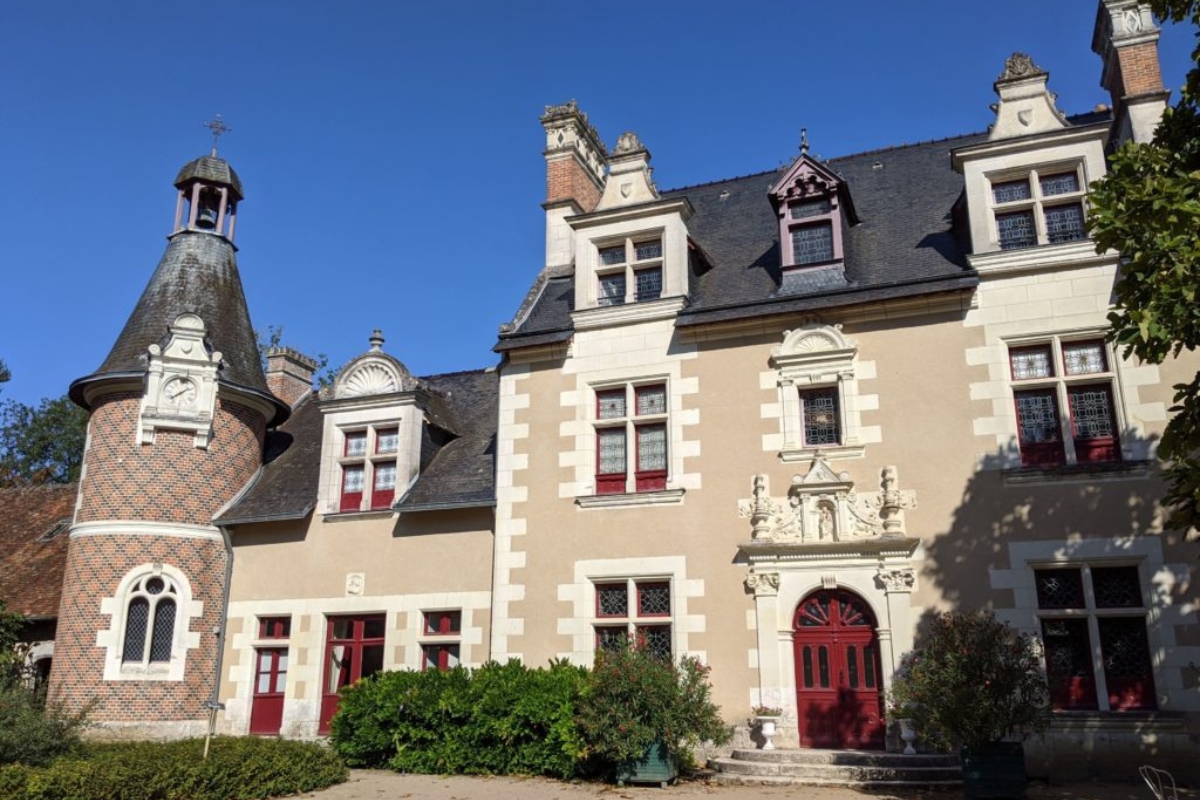
10. Château de Troussay
Rounding out our list of hidden gems is the Château de Troussay, the smallest château in the Loire Valley. What it lacks in size, it more than makes up for in charm, history, and a delightful eclectic style that sets it apart from its grander neighbors.
A Miniature Marvel
Troussay’s diminutive size is part of its charm. With just a handful of rooms, it offers a more manageable and personal visiting experience. Its size reflects its history as a country home rather than a grand royal residence, allowing visitors to notice architectural and decorative details that might be overlooked in larger châteaux.
Eclectic Architecture
What Troussay lacks in size, it makes up for in architectural interest. The original 15th-century manor forms the heart of the château. Significant modifications in the 1850s added turrets, sculptures, and decorative elements from other historic buildings, creating a unique architectural collage. Many elements of the château, including windows, fireplaces, and sculptures, were salvaged from other historic buildings.
Wine and Dine
Troussay offers visitors a chance to experience the wine culture of the Loire Valley. The château has its own small vineyard, which visitors can explore. Regular wine tastings introduce visitors to local wines, including the famous Cheverny AOC. A small museum on the grounds explores the history and process of winemaking in the region.
Visitor Experience
A visit to Troussay offers a charming alternative to the grand palaces of the Loire Valley. Its eclectic style and personal atmosphere make it a hidden gem that showcases a different, more intimate side of château life. The combination of château visit and wine tasting offers a well-rounded Loire Valley experience, making it a perfect stop for wine enthusiasts and those seeking a more relaxed château visit.
Tips for Visiting Lesser-Known Loire Valley Chateaux
Exploring the hidden gems of the Loire Valley can be a rewarding experience, offering insights into French history and culture away from the crowds of more famous sites. Here are some tips to help you make the most of your visits:
Timing Your Visit
Spring (April to June) and early fall (September to October) offer pleasant weather and smaller crowds. Some châteaux have reduced hours or are closed during winter months, so check opening times in advance. Consider visiting during local festivals or events for a more immersive experience.
Getting Around
Renting a car is the most flexible way to explore, especially for reaching more remote châteaux. Bike tours are popular in the Loire Valley and offer a unique perspective. Many companies offer château-to-château cycling itineraries. Some châteaux are accessible by local buses, but schedules can be limited, so research in advance if relying on public transport.
Where to Stay
Consider staying in central locations like Tours, Blois, or Amboise to easily access multiple châteaux. Alternatively, smaller towns or villages offer a more authentic experience. Some châteaux, like l’Islette, offer on-site accommodation for a truly immersive experience.
Making the Most of Your Visit
Check official château websites for the most up-to-date information on opening hours and ticket prices. Some châteaux offer combination tickets or passes for multiple sites, which can save money. Consider booking guided tours in advance, especially during peak season.
Many châteaux allow interior photography without flash, but always check the rules before taking photos. Respect no-photography zones, especially in areas with delicate artworks or furnishings.
Final Thoughts
Our journey through the hidden gems of the Loire Valley reveals a treasure trove of experiences for the curious traveler. From the fairy-tale charm of Château du Rivau to the artistic legacy of Château de l’Islette, each of these ten castles tells a unique story, providing a more intimate and diverse perspective on the rich history and culture of the region.
These lesser-known châteaux remind us that the true magic of travel often lies in venturing off the beaten path. While the grand châteaux like Chambord and Chenonceau rightfully draw admiration, it’s in these smaller, less crowded castles that we can often find a more personal connection to history.
By choosing to visit these hidden gems, travelers play a crucial role in preserving a broader spectrum of the Loire Valley’s heritage. They contribute to local economies, help maintain traditional skills and crafts, and ensure that a more complete story of the region’s history is preserved for future generations.
As you plan your own Loire Valley adventure, we encourage you to look beyond the famous names. Include some of these hidden gems in your itinerary. Take the time to explore the charming villages that surround them, engage with local communities, and savor the slower pace of life that these less-visited areas offer.
So, pack your sense of adventure, brush up on your French, and prepare to be charmed by the hidden gems of the Loire Valley. Who knows? You might just find that the château you’ve never heard of becomes the highlight of your trip, leaving you with memories to cherish for a lifetime.


