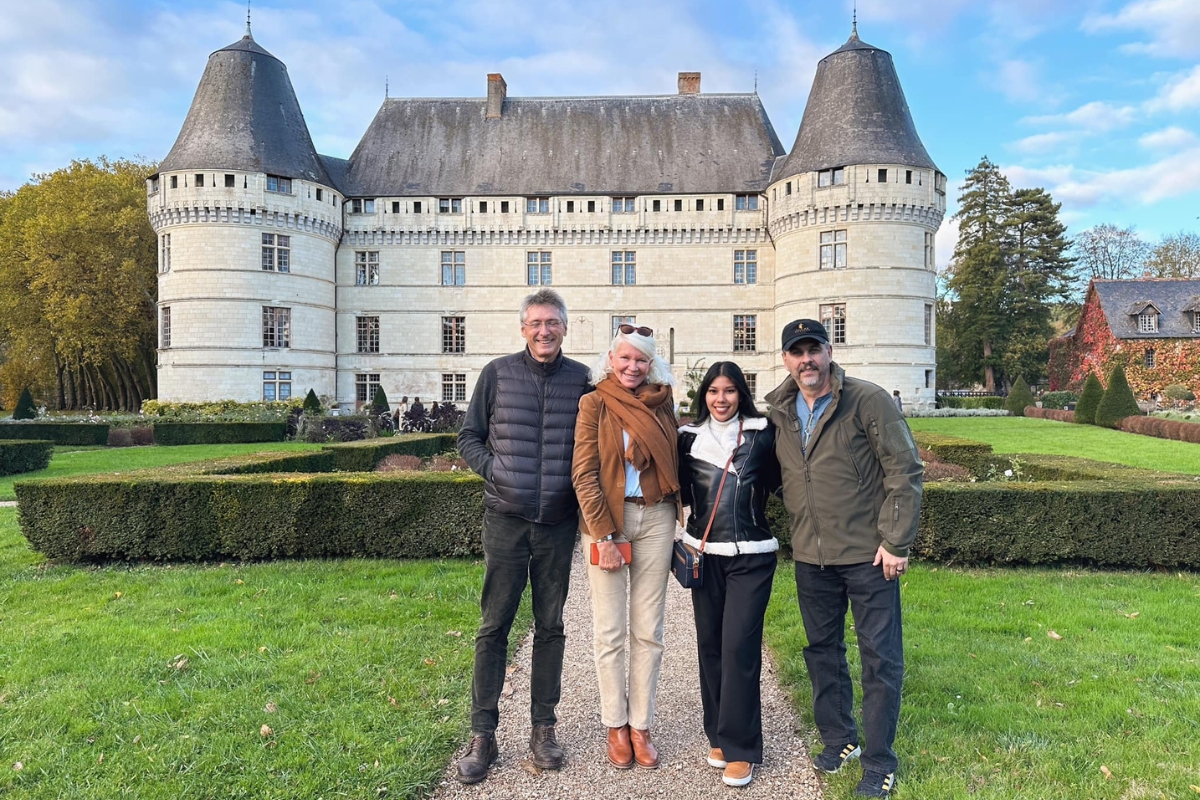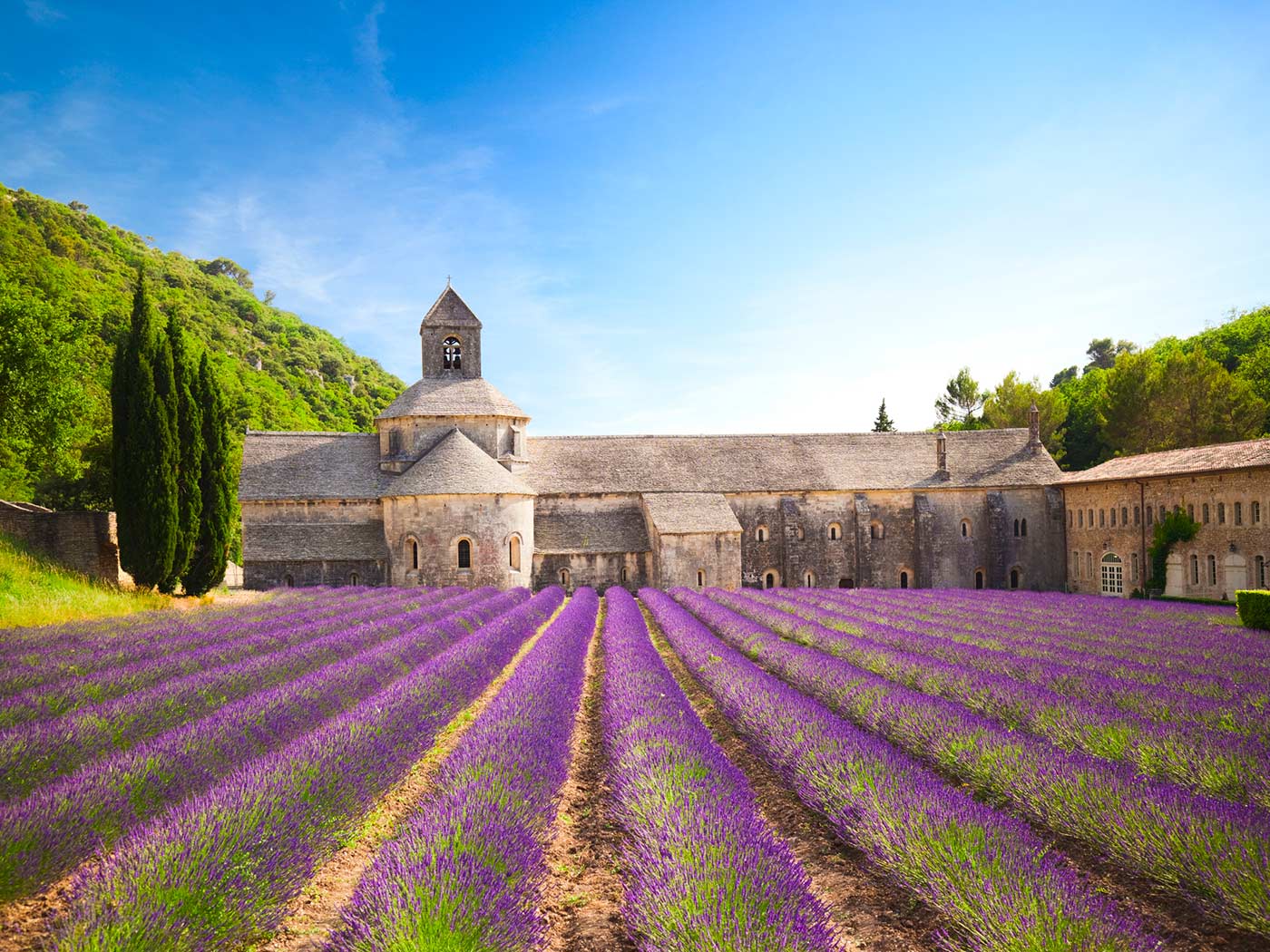
Ah, rural France – where the air is perfumed with lavender, the wine flows like water, and time seems to slow to a leisurely stroll. If you’ve ever dreamed of trading your fast-paced city life for a slice of French countryside heaven, you’re not alone. But before you start practicing your “bonjour” and packing your beret, let’s take a closer look at what life in rural France really entails. From charming stone cottages to mouthwatering cuisine, from cultural immersion to practical considerations, we’ll explore every nook and cranny of countryside living. So, grab a glass of wine (it’s 5 o’clock somewhere in France, right?), and let’s dive into the art of embracing the joie de vivre in the French countryside.
The Charm of French Rural Architecture
Picture this: you’re sipping your morning café au lait on the terrace of a 200-year-old stone farmhouse, surrounded by rolling hills and the gentle clucking of free-range chickens. Sounds like a dream, doesn’t it? Well, that’s the reality of rural French architecture.
These centuries-old buildings aren’t just pretty faces – they’re steeped in history and character. Each weathered stone tells a story, and if walls could talk, oh the tales they’d tell! From quaint cottages with blue shutters to grand farmhouses with terracotta roofs, rural French homes are nothing short of postcard-perfect.
But before you start fantasizing about your very own château, remember that renovating these historic gems can be… let’s say, an adventure. It’s like solving a puzzle where half the pieces are hidden in the 18th century. You might find yourself wrestling with ancient plumbing or playing whack-a-mole with persistent drafts. But fear not! With patience, a good sense of humor, and perhaps a small fortune, you can transform these old beauties into modern sanctuaries.
The best part? You get to enjoy all the comforts of the 21st century while living in a slice of history. Imagine checking your emails on high-speed internet while sitting by a centuries-old fireplace. It’s the best of both worlds – unless your WiFi decides to time-travel back to the Middle Ages, of course.
A Gastronomic Paradise
If you thought French cuisine was all about fancy Parisian restaurants, prepare for a delicious reality check. Rural France is a foodie’s playground, where farm-to-table isn’t a trendy concept – it’s just Tuesday.
Here, you don’t just eat food; you experience it. That tomato in your salad? It was probably picked this morning from your neighbor’s garden. The cheese on your plate? Likely made by the goats you can see grazing on the hillside. And the wine? Well, let’s just say your “daily fruit intake” is about to skyrocket.
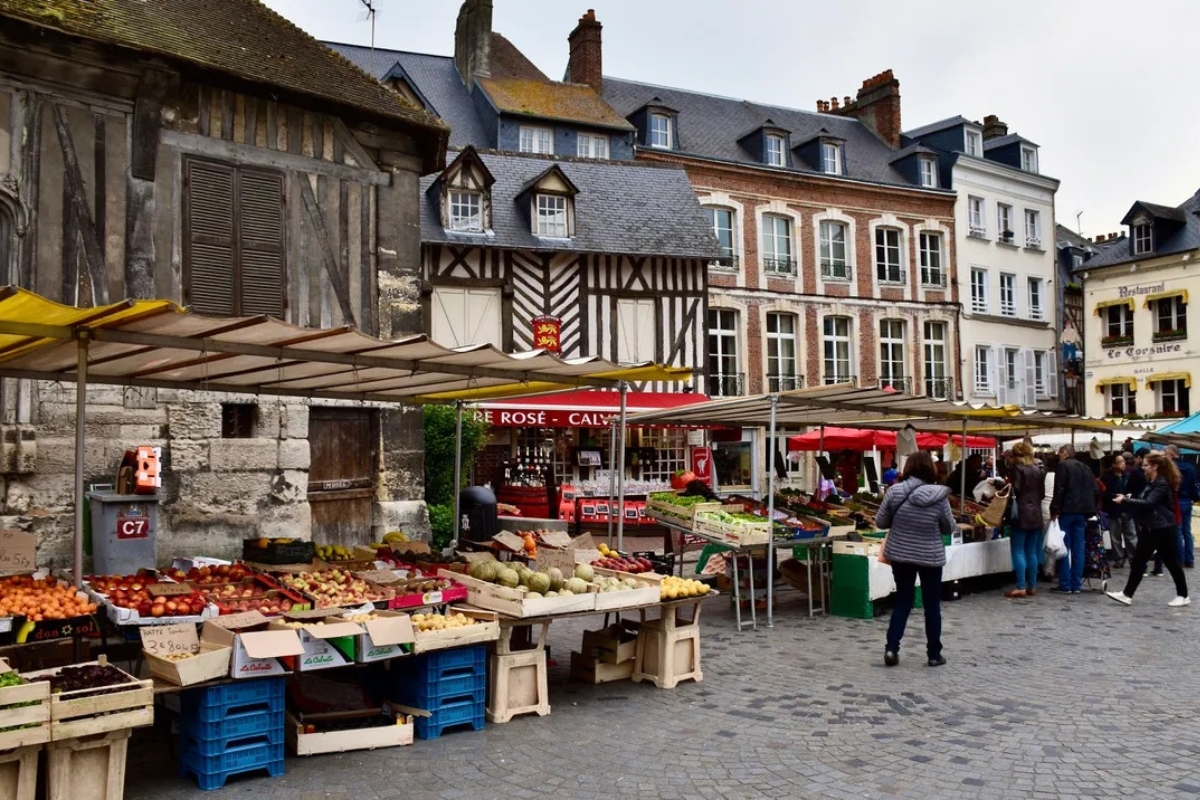
Local markets are the beating heart of rural French gastronomy. They’re not just places to shop; they’re social events where you can practice your French, gossip with the locals, and maybe even start a mild turf war over the last bunch of fresh herbs. Pro tip: befriend the cheese vendor. Your taste buds will thank you, even if your waistline doesn’t.
The slow food movement finds its natural home in rural France. Here, meals aren’t rushed affairs between meetings. They’re lengthy, leisurely experiences that can stretch for hours. Lunch might start at noon and end… well, whenever the wine runs out. It’s not procrastination; it’s cultural immersion. At least that’s what you can tell your boss if you’re working remotely.
The Rhythm of Rural French Life
If you’ve ever felt like you needed to clone yourself to keep up with life’s demands, rural France might just be your antidote. Here, the pace of life is slower than a snail taking a leisurely stroll through a garden of molasses.
Forget the rat race; in rural France, it’s more of a leisurely tortoise amble. The day starts with fresh croissants and ends with a sunset over the vineyards. In between? Well, that’s up to you. Maybe you’ll tend to your lavender patch, or perhaps you’ll spend three hours perfecting your boeuf bourguignon. Time is a suggestion, not a taskmaster.
Seasons dictate the rhythm of life here. Spring brings planting and the return of migratory birds. Summer is for long, lazy days and village fêtes. Fall is harvest time, with the intoxicating smell of fermenting grapes filling the air. And winter? That’s when you hunker down by the fire with a good book and an even better bottle of red.
Oh, and let’s not forget about the sacred institution of the siesta. It’s not laziness; it’s a cultural tradition. If anyone gives you grief about your afternoon nap, just tell them you’re working on your cultural integration. It’s practically a full-time job!
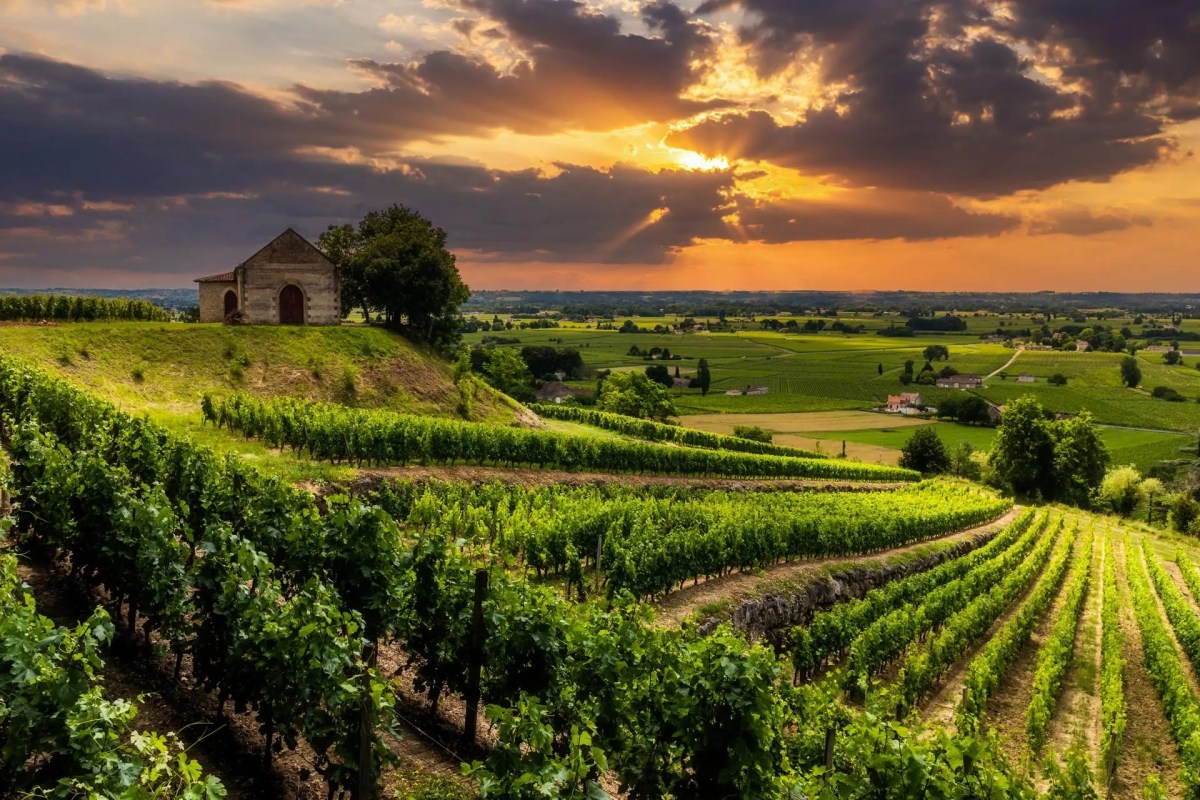
A Day in the Life: 24 Hours in Rural France
Ever wondered what daily life looks like in the French countryside? Let’s take a stroll through a typical day – you might find yourself yearning for this laid-back lifestyle!
6:30 AM: Wake up to the gentle crowing of a rooster (your new alarm clock). The early morning mist is just lifting off the vineyards.
7:00 AM: Walk to the local boulangerie for fresh croissants and a still-warm baguette. Exchange pleasantries with Madame Dubois, who runs the shop. She’ll update you on the latest village gossip.
8:00 AM: Enjoy a leisurely breakfast on your terrace. The coffee is strong, the butter is creamy, and the view is postcard-perfect.
9:30 AM: If you’re working remotely, now’s the time to log on. Your ‘office’ might be a sunny corner of your stone cottage or a local café with surprisingly good Wi-Fi.
12:30 PM: Lunchtime – the main event of the day! Whether you’re cooking at home or meeting friends at a local bistro, expect this meal to last at least an hour.
2:30 PM: Post-lunch siesta. Don’t fight it – it’s cultural integration!
3:30 PM: Afternoon activities vary by season. You might tend to your vegetable garden, go for a hike in the nearby forest, or cycle to a neighboring village.
5:00 PM: Time for errands. The local market is perfect for picking up fresh produce for dinner. Chat with the vendors – they always have the best advice on selecting ripe cheeses and seasonal vegetables.
7:00 PM: Apéritif hour. Invite neighbors over for a glass of local wine and some homemade tapenade. This could easily stretch into dinner if you’re not careful!
8:30 PM: Dinner, if you’re not still enjoying your apéritif. In summer, eat outside and watch the sunset paint the sky in incredible hues.
10:30 PM: An evening stroll through the quiet village streets. The stone buildings glow warmly in the lamplight, and you might hear the distant hooting of an owl.
11:00 PM: Bedtime comes earlier here. As you drift off to sleep, the only sound is the rustling of leaves in the gentle night breeze.
Remember, this is just a sample day. Rural French life is all about flexibility and following the natural rhythms of the seasons. Some days might be filled with local festivals, wine tastings, or impromptu gatherings with neighbors. Others might be dedicated to exploring nearby towns or tackling those inevitable home renovation projects.
The beauty of rural French living is that no two days are exactly alike, but they’re all infused with that special joie de vivre that makes life here so enchanting.
Nature and Outdoor Activities
If your idea of communing with nature is watching National Geographic while sitting in traffic, prepare for a wake-up call. Rural France is an outdoor enthusiast’s dream, minus the bears and questionable trail mix.
Hiking and cycling here isn’t just exercise; it’s a feast for the senses. You’ll find yourself pedaling past sunflower fields, scaling gentle hills for panoramic views, and probably getting lost at least once in a vineyard. But getting lost in a vineyard in France? There are worse fates.
For the adventurous (or hungry) souls, foraging is a popular pastime. Just be sure you know the difference between tasty wild mushrooms and the “oops, I might need a stomach pump” variety. When in doubt, stick to blackberry picking. It’s harder to go wrong with berries, unless you count the purple-stained fingers you’ll be sporting for days.
Gardening takes on a whole new meaning here. Your neighbors might judge you based on the quality of your tomatoes or the straightness of your bean rows. No pressure, but your gardening skills might just determine your social standing in the village. Time to brush up on your composting techniques!
Cultural Immersion
Learning French isn’t just helpful; it’s essential if you want to fully embrace rural life. Sure, you could get by with pointing and miming, but you’d miss out on all the juicy village gossip. Plus, there’s something satisfying about finally mastering those throat-clearing sounds that pass for letters in French.
Local festivals are your fast track to cultural immersion. From the solemn (town saints’ days) to the silly (yes, there are snail racing festivals), there’s always a reason to celebrate. Just remember: no matter how many glasses of wine you’ve had, joining the traditional dances is at your own risk. Your enthusiasm may be appreciated, but your coordination might not be.
Building relationships with your neighbors is crucial. They’re your support system, your emergency translators, and your ticket to the best homemade confitures. Be prepared for probing questions about your personal life, strong opinions about how you should be pruning your fruit trees, and impromptu invitations for apéritifs that turn into five-hour dinner parties.
Cultural differences can be a source of both amusement and occasional frustration. You might find yourself kissing cheeks in greeting when you meant to shake hands, or accidentally insulting someone’s great-grandmother’s cheese recipe. It’s all part of the adventure. Remember, when in doubt, compliment the wine. It’s the universal language of rural France.
Practical Considerations
Choosing the right region in France is like picking the perfect wine – it’s a matter of taste, budget, and how much sun you can handle. The sun-soaked south might sound appealing until you’re sweating through your striped shirt in August. Meanwhile, the cooler north might have you investing in thermal underwear and questioning your life choices come January.
Buying property in rural France can feel like you’ve stumbled into a particularly confusing episode of “Bureaucracy: The Reality Show.” There are more documents involved than in a conspiracy theorist’s filing cabinet, and you’ll become intimately familiar with the inner workings of your local notaire’s office. But persist, and you’ll eventually emerge victorious, with the keys to your very own piece of French paradise (and possibly a mild case of carpal tunnel from all that signing).
Healthcare in rural France can be excellent, but it might require some travel. Your local médecin will become your new best friend, possibly seeing more of you than your actual friends do. As for education, rural schools can offer a wonderfully immersive experience for kids. Just be prepared for them to correct your French pronunciation at the dinner table.
Challenges of Rural French Living
Ah, French bureaucracy – where Kafka meets Monty Python in an unholy union of red tape and Gallic shrugs. Whether you’re setting up utilities, registering a car, or simply trying to change your address, prepare for a journey that will test your patience, your French skills, and your ability to not scream into the void. Remember, it’s not personal; it’s just… France.
Rural life means saying goodbye to 24-hour supermarkets and same-day deliveries. Your Amazon addiction will need to go cold turkey, and you’ll learn to plan ahead like a doomsday prepper, but with more wine and cheese. On the bright side, you’ll develop a close personal relationship with your local baker, butcher, and grocer. They’ll know your life story before you know their names.
Isolation can be a challenge, especially if you’ve moved from a bustling city. Suddenly, your social life consists of long conversations with your chickens and heated debates with your vegetable garden. Combat this by joining local clubs, attending village events, and reminding yourself that peace and quiet was what you wanted… right?
The Digital Nomad in Rural France
Working remotely from rural France sounds idyllic, doesn’t it? Answering emails with a view of rolling hills, taking conference calls from your sun-dappled terrace. Just remember that your romantic notions might be rudely interrupted by rural internet speeds that make dial-up look cutting-edge.
Co-working spaces are springing up even in the most bucolic settings, proving that you can’t escape the startup vibe, even in the land of two-hour lunches. These can be great for combating isolation and finding kindred spirits who understand the pain of trying to explain SEO to your goat-farming neighbors.
Balancing online work with offline rural life is an art form. You might find yourself negotiating important contracts in the morning and helping your neighbor birth a calf in the afternoon. It’s all about embracing the contradictions and remembering to switch off – both literally and figuratively – to enjoy the rural lifestyle you moved here for.
Is Rural French Living Right for You?
So, there you have it – the good, the bad, and the bureaucratic of rural French living. It’s a life of contrasts: high-speed internet and centuries-old traditions, world-class gastronomy and tiny village markets, breathtaking natural beauty and the occasional whiff of farm animals.
Is it for everyone? Absolutely not. If you can’t function without a 24-hour gym, soy lattes on demand, or the comforting anonymity of city life, rural France might send you running back to urbanity faster than you can say “où est le Starbucks?”
But if you’re ready to slow down, to savor life’s simple pleasures, to become intimately acquainted with the seasons (and your neighbors), then rural France might just be your personal slice of paradise. It’s a place where time moves more slowly, where meals are events in themselves, and where the quality of your life is measured not by what you own, but by how you live.
So why not give it a try? Even if you’re not ready to make a permanent move, a visit to rural France can be a transformative experience. Who knows? You might just find yourself trading in your city shoes for a pair of wellies, your briefcase for a market basket, and your stress for a large glass of local wine.
After all, life’s too short for bad food, cheap wine, or missing out on the joie de vivre that rural France has to offer. Santé!
Insider Tips for Embracing Rural French Life (and a Special Treat for Château Enthusiasts!)
Before you pack your bags and book your one-way ticket to rural France, here are some insider tips to help you make the most of your countryside adventure:
- Learn the art of the apéritif: This pre-dinner drink ritual is sacred in France. Stock up on local wines, pastis, and savory snacks to host your own.
- Embrace the markets: Don’t just shop at them, linger. It’s where you’ll pick up local gossip, make friends, and discover the best seasonal produce.
- Join a local club: Whether it’s pétanque, wine tasting, or hiking, clubs are a great way to meet people and integrate into the community.
- Master the cheek kiss: The “bise” can be tricky. Start with two kisses unless told otherwise, and always go right cheek first!
- Respect the lunch hour(s): Many businesses close between 12-2 pm. Plan your errands accordingly, or better yet, join in the leisurely lunch tradition.
- Learn to garden: Even if it’s just a few herbs on your windowsill, growing something connects you to the land and your neighbors.
- Explore beyond your village: Each area has its unique charm. Take day trips to discover hidden gems in neighboring towns.
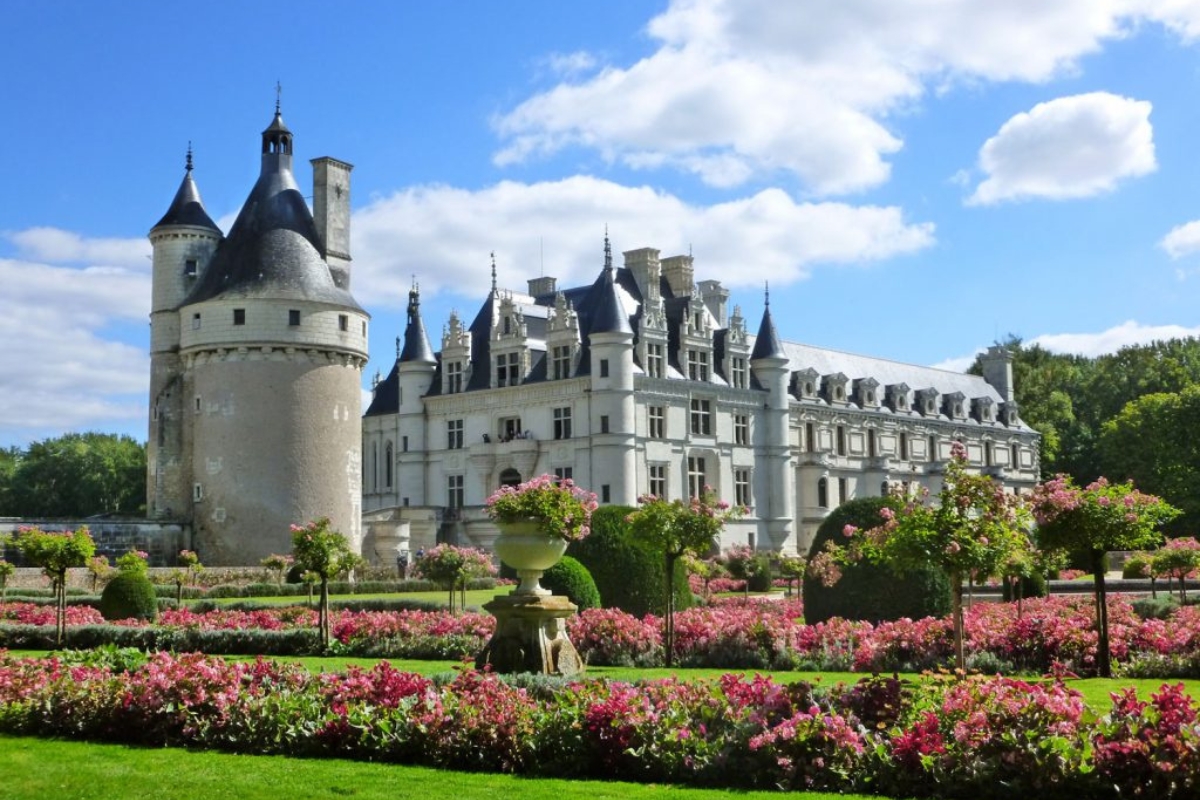
And for those of you enchanted by the idea of French châteaux (who isn’t?), we have a special treat. While exploring rural France, why not immerse yourself in the grand history and architecture of its magnificent castles?