

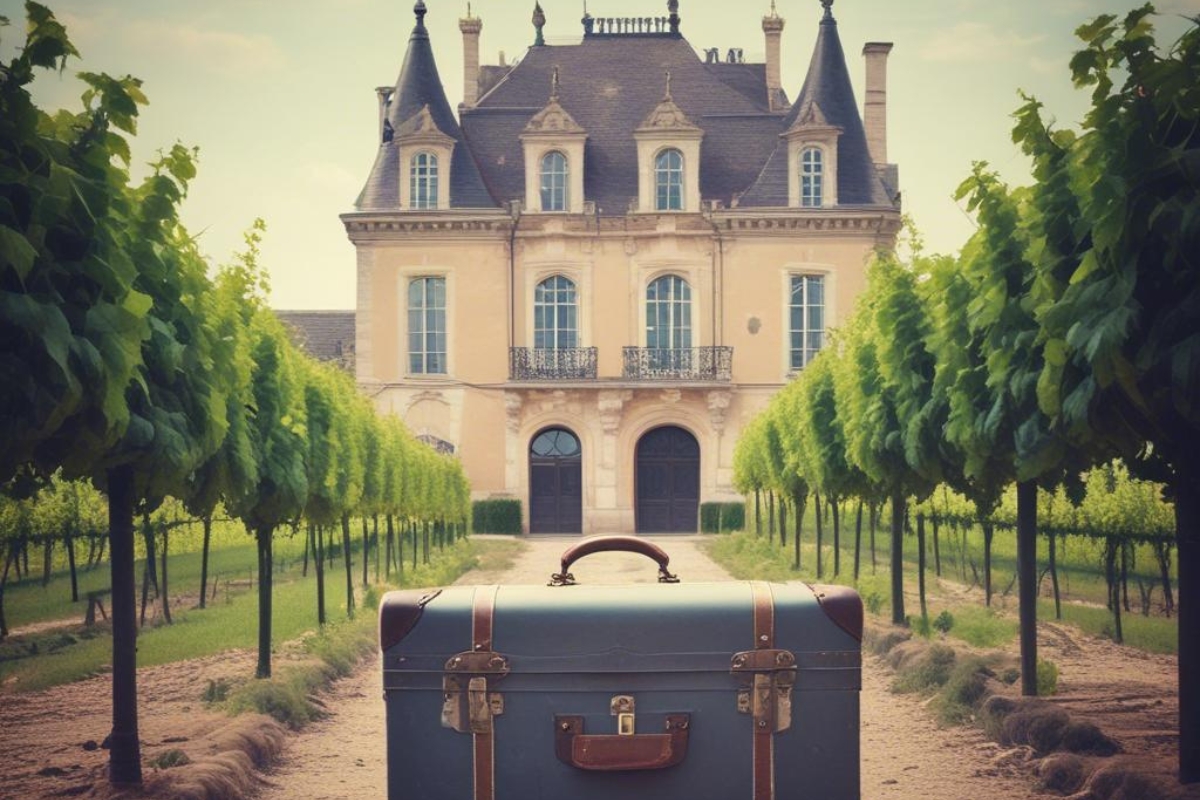
The first sip of morning coffee tastes different here. Not just because the French have perfected the art of the café crème, but because in France, that first coffee of the day isn’t fuel for productivity – it’s the beginning of a daily ritual that sets the tone for everything that follows. This simple shift in perspective captures the essence of why we chose to leave America behind and embrace a new life in France.
Mornings here unfold at a different pace. Instead of the hurried grab-and-go coffee culture of America, we’ve learned to appreciate the quiet ceremony of beginning each day. Our local café knows us now – not just our names, but our preferences, our stories, our daily rhythms. The waiter no longer asks for our order; he simply nods with a knowing smile as we take our usual table, where we can watch the neighborhood come alive. This is more than just breakfast – it’s our daily reminder of why we chose this path.

The Decision to Leave
The decision wasn’t born from dissatisfaction – we had built what many would consider a successful American life. Good careers, a comfortable home, the usual trappings of achievement. Yet each time we returned from trips to France, the contrast between our rushed American existence and the measured pace of French life grew sharper, until it became impossible to ignore. There was a different way to live, and once we saw it clearly, we couldn’t unsee it.
“In America, we had mastered the art of optimization. In France, we discovered the art of living.”
The catalyst wasn’t a single moment but a series of realizations. It was the stark difference between our two-week vacation mindset and our regular American life. In France, we noticed how families gathered for long lunches on weekdays, how parks filled with people simply sitting and talking, how streets came alive in the evenings with neighbors stopping to chat. Back home, our conversations revolved around deadlines, meetings, and achievement metrics. Our weekends were carefully scheduled blocks of “quality time,” and even our relaxation felt somehow purposeful, another box to check in our pursuit of a well-balanced life.
What began as casual conversations over dinner – “Wouldn’t it be nice if…” – gradually transformed into serious discussions about what we valued most in life. We started questioning the unspoken assumptions that had guided our choices: that career advancement should be our primary focus, that bigger was always better, that convenience was worth any price. The more we examined these beliefs, the more we realized they weren’t actually our own – they were inherited from a culture that prioritized achievement over experience.
Tips For Those Considering a Move
Moving to France requires careful planning and a realistic mindset. Here are essential insights we’ve gained from our experience:
Documentation & Bureaucracy
- Start gathering important documents at least a year before your planned move
- Get all vital documents (birth certificates, marriage licenses, diplomas) apostilled
- Keep multiple copies of everything, both physical and digital
- Create a detailed spreadsheet to track visa requirements and deadlines
- Find a good translator for official documents
Language & Communication
- Begin French lessons before you move, focusing on practical conversation
- Download language apps for daily practice
- Learn bureaucratic French specifically – terms for paperwork, housing, banking
- Practice phone conversations – they’re harder than face-to-face interactions
- Don’t wait for perfect French – start speaking from day one
Financial Planning
- Research banking requirements for expats – many French banks require residency
- Build a cushion beyond your estimated needs – transitions always cost more
- Understand tax implications in both countries
- Keep your U.S. credit card initially – European card systems differ
- Plan for the initial period before you can open a French bank account
Housing & Settlement
- Research different regions thoroughly – each has its unique culture and requirements
- Consider temporary housing for your first few months
- Understand the difference between furnished and unfurnished rentals
- Prepare for significant security deposits and extensive paperwork
- Build relationships with local real estate agents
Cultural Integration
- Join expat groups but don’t rely on them exclusively
- Participate in local associations or clubs
- Shop at local markets and small businesses to build community connections
- Respect and observe French social etiquette
- Be patient with the integration process – it takes time to build a new life
Practical Considerations
- Research healthcare options and requirements
- Consider shipping versus buying new furnishings
- Plan for different electrical systems and appliance needs
- Research phone and internet providers before arrival
- Understand local transportation options
Remember that preparation is crucial, but flexibility is equally important. No amount of planning can anticipate every challenge, but approaching the move with patience, humor, and openness will make the transition smoother.
The Transition Begins
Making the decision was surprisingly easy – it was as if we had been unconsciously moving toward it for years. The hard part came in the details, the thousand small steps between dreaming and doing. French bureaucracy has a reputation that’s well-earned, but we came to understand it as the price of admission to a society that values stability and social protection over convenience and speed.
What began as a simple checklist quickly evolved into a crash course in patience and persistence. Each visa requirement led us down new rabbit holes of documentation. Birth certificates needed apostilles. Bank statements needed translation. Marriage certificates needed multiple certified copies. Yet within this maze of paperwork, we found an unexpected silver lining – each document told part of our story, forcing us to reflect on the life we’d built and the one we were choosing to create.
“Each piece of paperwork became another step in our journey, telling the story of who we were and who we were becoming.”
The preparation became our evening ritual. Language lessons over dinner, French news playing in the background, endless research into visa requirements and housing markets. We studied not just the language but the unwritten rules of French society. The importance of saying “bonjour” before any interaction. The art of the apéritif. The proper way to navigate the intricate dance of social etiquette that makes French society function.
Living Between Two Worlds
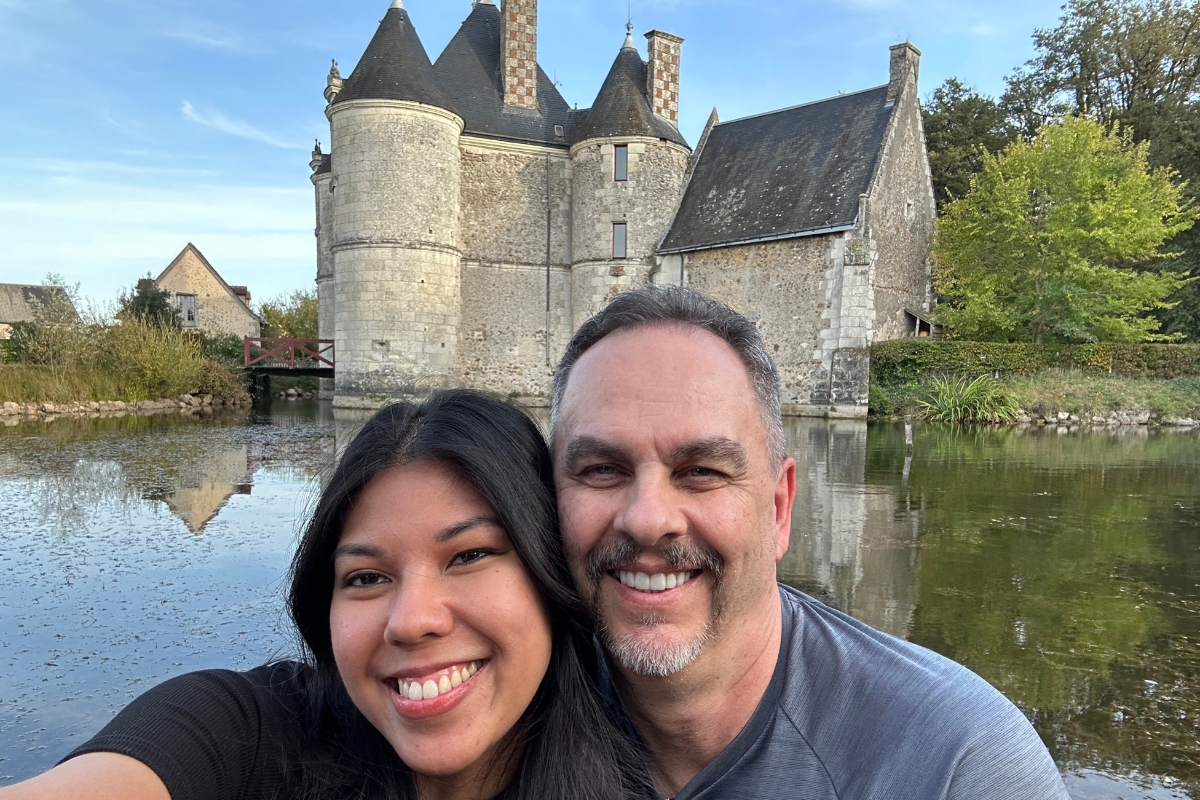
The reality of French living reveals itself in layers, each one deeper than the last. The famous French work-life balance isn’t just about shorter hours – it’s a complete reimagining of what makes a life well-lived. We discovered that productivity isn’t measured in tasks completed but in the quality of each moment spent. A two-hour lunch with colleagues isn’t lost time; it’s an investment in relationships that make work more meaningful.
The adjustment challenged everything we thought we knew about efficiency and success. In America, we prided ourselves on quick decisions and immediate action. In France, we learned the value of reflection, of letting ideas mature. What initially felt like inefficiency – the multiple steps required for even simple tasks, the preference for in-person meetings over emails – gradually revealed itself as a different kind of efficiency, one that prioritized thoroughness and human connection over speed.
“In France, time isn’t something to save – it’s something to savor.”
Our relationship with food transformed entirely. Shopping became a daily adventure rather than a weekly chore. We learned to cook with seasonal ingredients because that’s what’s available and best, not because it’s trendy. The ritual of selecting each ingredient became a lesson in mindfulness – choosing the ripest tomatoes, discussing the perfect cheese pairing with our fromagère, learning why certain wines complement specific dishes. Meals became events in themselves, not just fuel between activities.
The Unexpected Gifts
Perhaps the most surprising discovery was how living in France changed our sense of time. The American guilt about “doing nothing” gradually dissolved, replaced by an appreciation for what the French call “l’art de vivre” – the art of living. Sundays, once filled with errands and preparation for the week ahead, became genuine days of rest and connection. The closed shops that initially frustrated us became symbols of a society that values personal time over convenience.
This transformation didn’t happen overnight. Initially, we fought against it, trying to maintain our American productivity in our new French setting. We’d grow frustrated at shops closing for lunch, at the impossibility of finding a grocery store open on Sunday, at the seemingly endless August vacations. But slowly, we began to understand that these weren’t inconveniences – they were invitations to live differently.
“The greatest gift was the permission to be present, to inhabit each moment fully without rushing to the next.”
We found ourselves developing new measures of success. The ability to navigate a complex social situation in French. The first time our local baker saved our favorite bread without asking. The moment we realized we had stopped mentally converting euros to dollars. The day we caught ourselves thinking in French rather than translating from English. These small victories meant more than any professional achievement in our previous life.
Building Bridges
The art of living between America and France isn’t about choosing one over the other – it’s about creating something new and uniquely yours. Technology makes connection easier, but we’ve learned to be intentional about how we maintain ties to our American life while building our French one. Sunday video calls become virtual family dinners, shared holidays celebrated across time zones, and traditions carefully curated from both cultures.
What started as an effort to stay connected has evolved into something richer – we’ve become cultural translators in both directions. We explain French customs to our American family and friends, helping them understand why three-hour lunches matter, why August vacations are sacred, why small talk isn’t valued here. Conversely, we share American traditions with our French friends, hosting Thanksgiving dinners that blend both cultures, introducing the concept of baby showers (met with bemused interest), explaining why Americans find certain French customs charming or challenging.
“Home isn’t about choosing between two worlds – it’s about building bridges between them.”
Our home has become a place where both cultures coexist naturally – American coffee maker beside the French press, bookshelves alternating between English and French literature, conversations that drift seamlessly between languages. We celebrate both Bastille Day and the Fourth of July, host Super Bowl parties that end at dawn in France, and gather friends for Beaujolais Nouveau evenings that would puzzle our American friends.
The Daily Reality
Life in France isn’t a perpetual vacation – it comes with its own challenges and frustrations. The legendary bureaucracy can still test our patience. Cultural misunderstandings still occur. Some days, we miss the efficiency of American life or crave familiar comforts from home. But these challenges have become part of our story, adding depth to our experience rather than detracting from it.
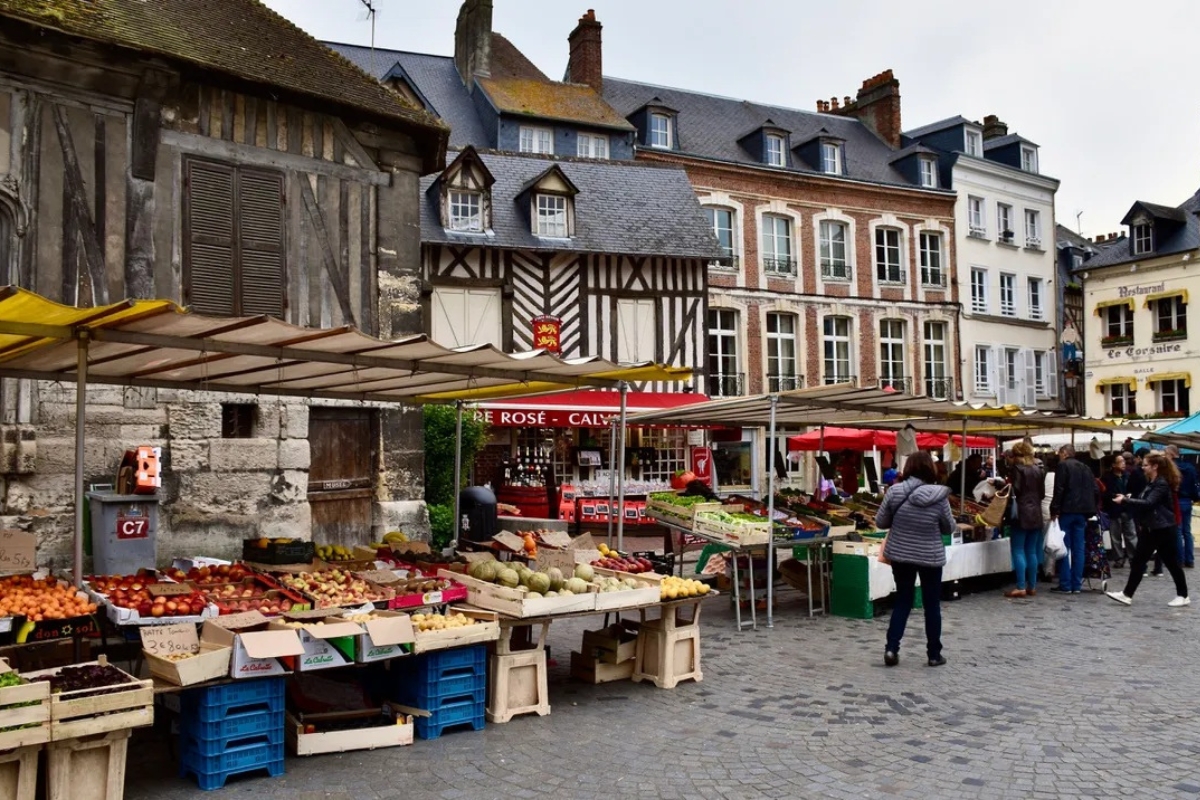
The daily rhythm here follows its own logic. Each morning begins with the same ritual – walking to the boulangerie for fresh bread, exchanging pleasantries with the same faces we see every day. We’ve learned that these small interactions aren’t just social niceties; they’re the threads that weave us into the fabric of our community. The vendor at the market who now tells us when our favorite cheese will arrive, the neighbor who waters our plants without being asked, the café owner who starts preparing our usual order when we appear – these relationships weren’t built in a day, but through countless small moments of connection.
“Each small victory still feels significant – a reminder of how far we’ve come and how much further we can go.”
What makes it all worthwhile is the profound shift in how we experience life. The daily market visits that have replaced rushed grocery runs have become opportunities for learning and connection. We’ve mastered the art of choosing ripe produce under the watchful eye of vendors who’ve become our teachers in French gastronomy. Conversations with neighbors that turn quick errands into social occasions no longer feel like interruptions to our day – they are our day, part of the rich tapestry of life here.
Final Thoughts
To those considering a similar journey: it won’t always be easy, but it will always be interesting. You’ll learn more about yourself than you ever expected. The challenges will reshape you in ways you couldn’t anticipate. Some days, you’ll question everything about your decision. Other days, you’ll feel such a profound sense of rightness that you’ll wonder why you waited so long.
The process of integration is ongoing, a daily choice to embrace the complexities and rewards of straddling two cultures. We’ve learned that success isn’t about becoming French – it’s about finding your authentic way of being in this new context. It’s about keeping what you love about your American identity while opening yourself to new ways of seeing and being in the world.
“The richest lives are those that embrace more than one way of seeing the world.”
What we’ve discovered is that “home” is more fluid than we once believed. It’s not just about where you live, but how you live. It’s about creating space for both the familiar and the new, about building a life that honors both where you’ve come from and where you’re going. Our experience has taught us that it’s possible to feel deeply at home in two places, to love two countries, to belong to two cultures.
Adieu America doesn’t mean goodbye forever – it means making room in our hearts for a new way of living, while keeping the best of what we brought with us. After all, the finest recipes often come from combining different traditions, and the richest lives are those that embrace more than one way of seeing the world. Our journey continues to unfold, each day bringing new challenges and discoveries, each year deepening our appreciation for this choice we made to rewrite our story in a new language, in a new land.


