

France has long been a beacon for international property buyers, welcoming over 100,000 foreign nationals annually who are drawn to its rich culture, stunning landscapes, and diverse real estate offerings. In recent years, there has been a notable surge in interest from American buyers, ranging from families seeking a change of lifestyle to professionals looking for investment opportunities. This comprehensive guide addresses the key considerations and steps involved in purchasing French real estate as an American citizen.
Navigating Visa Requirements
For Americans contemplating a move to France, understanding visa requirements is crucial. If you’re planning a short stay of less than three months and don’t intend to work, you can typically enter France without a visa. However, for longer stays or if you plan to engage in any professional activities, you’ll need to navigate the French visa system.
Long-term visas, known as visas de long séjour, are required for stays exceeding 90 days. These visas come in various categories, including student visas, work visas, and retirement visas. It’s essential to consult with the French embassy or consulate in the United States well in advance of your planned move to determine the most appropriate visa for your situation and to understand the application process.
Understanding Residency Laws
France’s residency laws are closely tied to visa regulations. The Schengen Agreement allows Americans to spend up to 90 days out of every 180-day period in the Schengen Area, which includes France, without a visa. This is ideal for those making short trips to search for property or enjoy their vacation home.
For those planning to reside in France long-term, obtaining a residence permit (carte de séjour) is necessary. After five years of continuous residency, you may be eligible to apply for a permanent residence card (carte de résident), valid for ten years and renewable. This path to permanent residency offers stability and can be an attractive option for Americans looking to make France their long-term home.
The French Real Estate Market
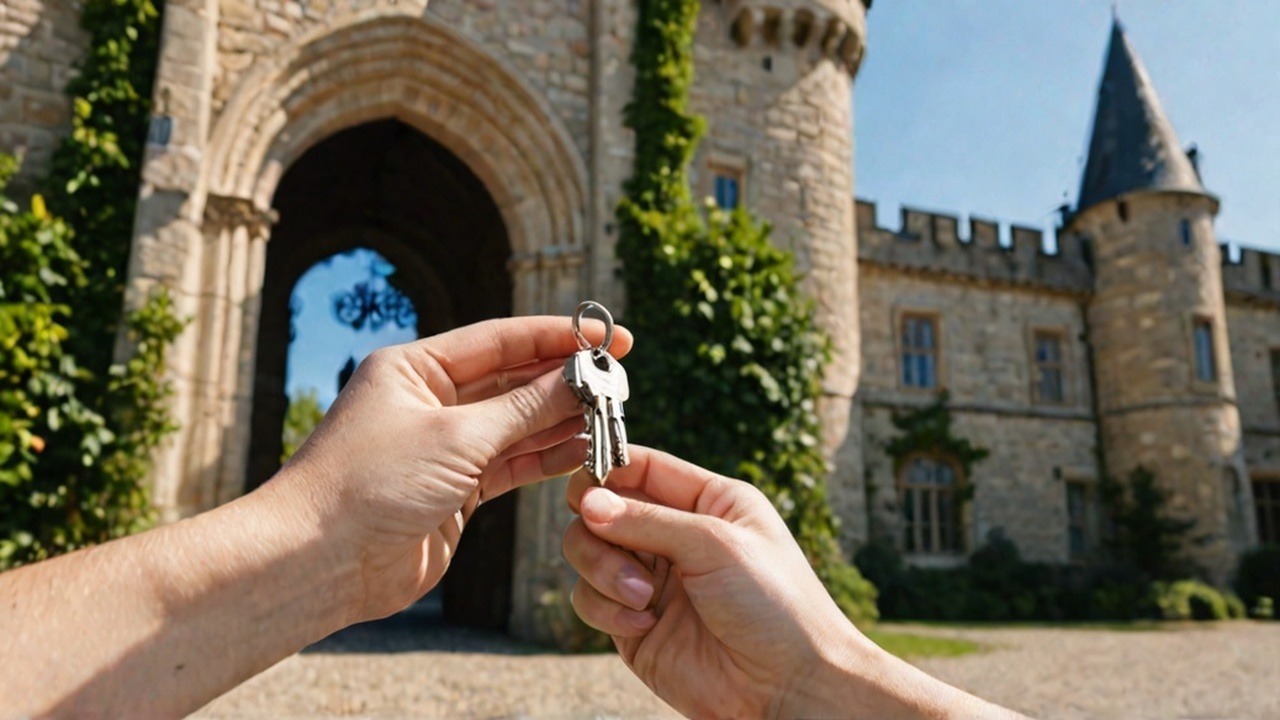
The French property market is known for its stability and consistent appreciation in value. Recent trends show steady growth in house prices across various regions, including greater Paris and picturesque rural areas. American buyers have shown particular interest in historic properties, estates, and chateaux, with the average budget hovering around 600,000 euros.
This interest in unique, culturally rich properties reflects a desire not just for a home, but for a piece of French heritage. From apartments in bustling cities to restored farmhouses in the countryside, the French market offers a diverse range of options to suit various preferences and budgets.
Healthcare Considerations
France boasts a healthcare system that consistently ranks among the best in the world. Known for its accessibility, quality of care, and focus on preventive medicine, the French healthcare system is a significant factor attracting American buyers.
Residents in France benefit from universal healthcare coverage under the “Sécurité Sociale” system. While not immediately available to new arrivals, long-term residents can typically access this system after a waiting period. Private health insurance is also widely available and can be a good option for those in the process of establishing residency.
Financing Your French Property
Securing a mortgage as an American buyer in France can present unique challenges, primarily due to regulations like the Foreign Account Tax Compliance Act (FATCA). However, it’s not impossible. Many French banks and international financial institutions specialize in providing mortgages to foreign buyers.
Be prepared for stricter lending criteria and potentially higher down payments compared to what you might expect in the U.S. Typically, French lenders may require a down payment of 20-30% of the property value. It’s advisable to work with a financial advisor familiar with both French and American systems to navigate this process effectively.
Taxation Implications
Understanding the tax implications of owning property in France is crucial for American buyers. As a U.S. citizen, you’re required to report your global income to the IRS, regardless of where you reside. Additionally, if you become a tax resident in France, you’ll be subject to French income tax on your worldwide income.
Property taxes in France include the taxe foncière (land tax) and, if the property is your primary residence, the taxe d’habitation (though this is being phased out for many households). If you rent out your property, you’ll need to declare this income in both France and the U.S., though tax treaties help prevent double taxation.
Given the complexity of international taxation, it’s highly recommended to consult with tax professionals who specialize in both U.S. and French tax laws to ensure compliance and optimize your tax strategy.
The Buying Process
Purchasing property in France involves several steps and typically takes between three to six months. The process usually begins with finding a property and making an offer. Once accepted, you’ll sign a preliminary contract (compromis de vente), which is followed by a 10-day cooling-off period during which you can withdraw without penalty.
During this period and the months that follow, various surveys and checks are conducted. A notaire, a public official who oversees property transactions, plays a crucial role in the process, ensuring legal compliance and managing the final transfer of ownership.
It’s important to note that the buyer is responsible for notaire fees and other transaction costs, which can add up to around 7-10% of the purchase price for existing properties (and more for new builds).
Practical Considerations and Tips for Success
1. Local Expertise is Invaluable: Partner with experienced local professionals, including real estate agents, lawyers, and financial advisors who understand both the French market and the unique needs of American buyers.
2. Thorough Research is Key: Familiarize yourself with the regions of France, local property markets, and the types of properties available. Each area has its unique characteristics and potential for investment.
3. Visit and Explore: Whenever possible, visit properties in person. This not only allows you to assess the property itself but also to get a feel for the local area and lifestyle.
4. Consider Rental Potential: If you’re not planning to live in the property year-round, consider its potential as a rental property. This can help offset costs and potentially provide an additional income stream.
5. Embrace the Culture: Learning French, even just the basics, can go a long way in helping you navigate the purchase process and integrate into your new community.
6. Stay Informed: Keep abreast of changes in French property laws, tax regulations, and market trends. The real estate landscape can change, and staying informed helps you make the best decisions for your investment.
Final Thoughts
Purchasing real estate in France as an American buyer is an exciting venture that offers the opportunity to own a piece of one of the world’s most beloved countries. While the process involves navigating different legal, financial, and cultural systems, proper preparation and expert guidance can make the journey smoother and more enjoyable.
Remember, buying property in France is not just a financial investment—it’s an investment in a new lifestyle, culture, and set of experiences. With careful planning and an open mind, your French property purchase can be the beginning of a rewarding new chapter in your life.
🏰Learn more about renovating historic properties and chateaux


