

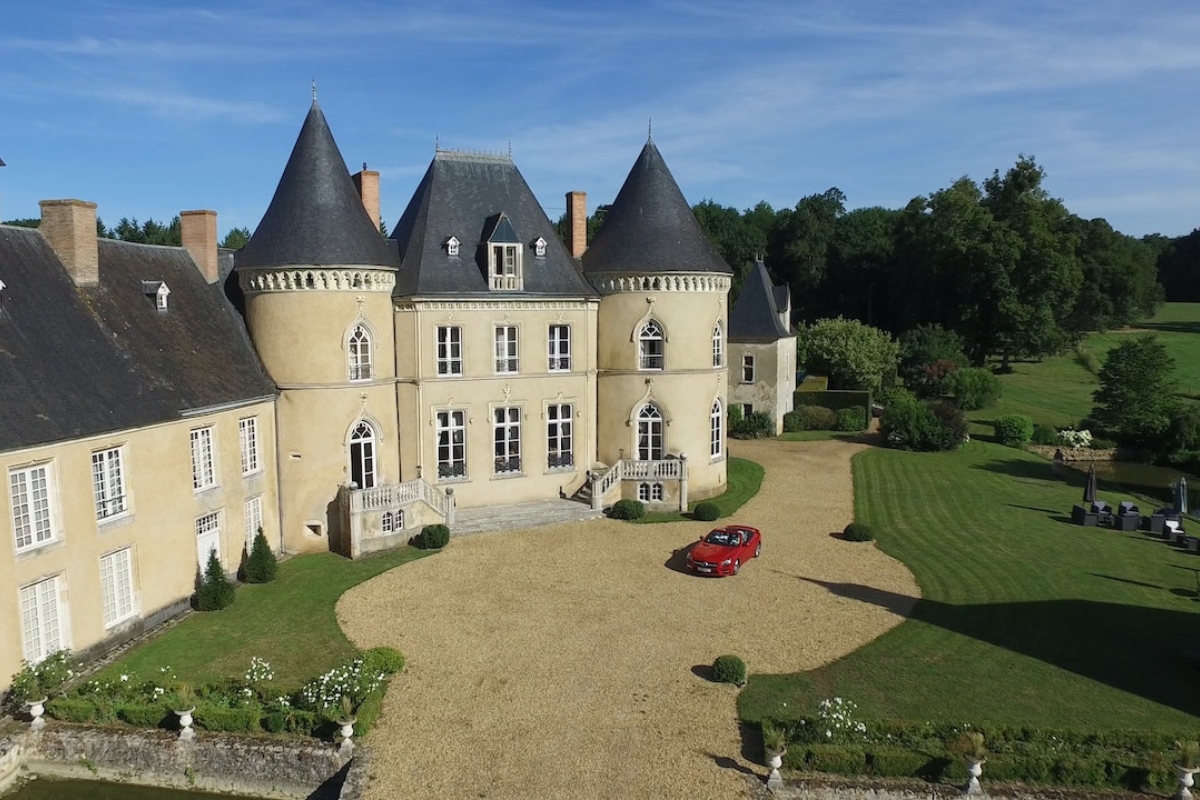
Imagine waking up each morning to the sight of rolling French countryside, sipping your café au lait in a grand salon adorned with centuries-old frescoes, and spending your evenings strolling through meticulously manicured gardens. This dream can become a reality when you buy a chateau in France. But the journey from dreaming to owning requires careful planning, research, and expert guidance. In this comprehensive guide, we’ll walk you through everything you need to know about purchasing your very own piece of French history.
Table of Contents
- Introduction
- The Allure of French Chateaux
- Understanding the French Real Estate Market
- Legal Considerations When Buying a Chateau
- Financial Aspects of Chateau Ownership
- Renovating and Maintaining Your Chateau
- Case Study: From Dream to Reality
- Frequently Asked Questions
- Final Thoughts
The Allure of French Chateaux
A Living Piece of History
French chateaux are more than just grand houses; they are tangible links to the past. Each stone, each tapestry, and each carefully preserved artifact tells a story of France’s rich history. From medieval fortresses to Renaissance palaces and Baroque mansions, these architectural marvels span centuries of changing tastes and historical events.
Architectural Diversity
The term “chateau” encompasses a wide range of architectural styles:
- Medieval castles with imposing fortifications
- Loire Valley Renaissance chateaux, known for elegance and gardens
- Baroque and Rococo palaces showcasing opulence and artistic detail
- 19th-century revival chateaux blending historical styles with modern comforts
This diversity means that whether you’re drawn to the romantic turrets of a fairy-tale castle or the classical symmetry of a neoclassical mansion, there’s a chateau to suit your taste.
Location, Location, Location
France’s chateaux are scattered across some of the most beautiful regions in the country:
- The Loire Valley, known as the “Garden of France”
- Burgundy, with its world-famous vineyards
- Provence, offering Mediterranean climate and landscapes
- Dordogne, rich in prehistoric sites and medieval towns
- Normandy, steeped in history and close to the coast
Each region offers its own unique charm, cuisine, and lifestyle, adding to the allure of chateau ownership.
Understanding the French Real Estate Market
The Chateau Market Landscape
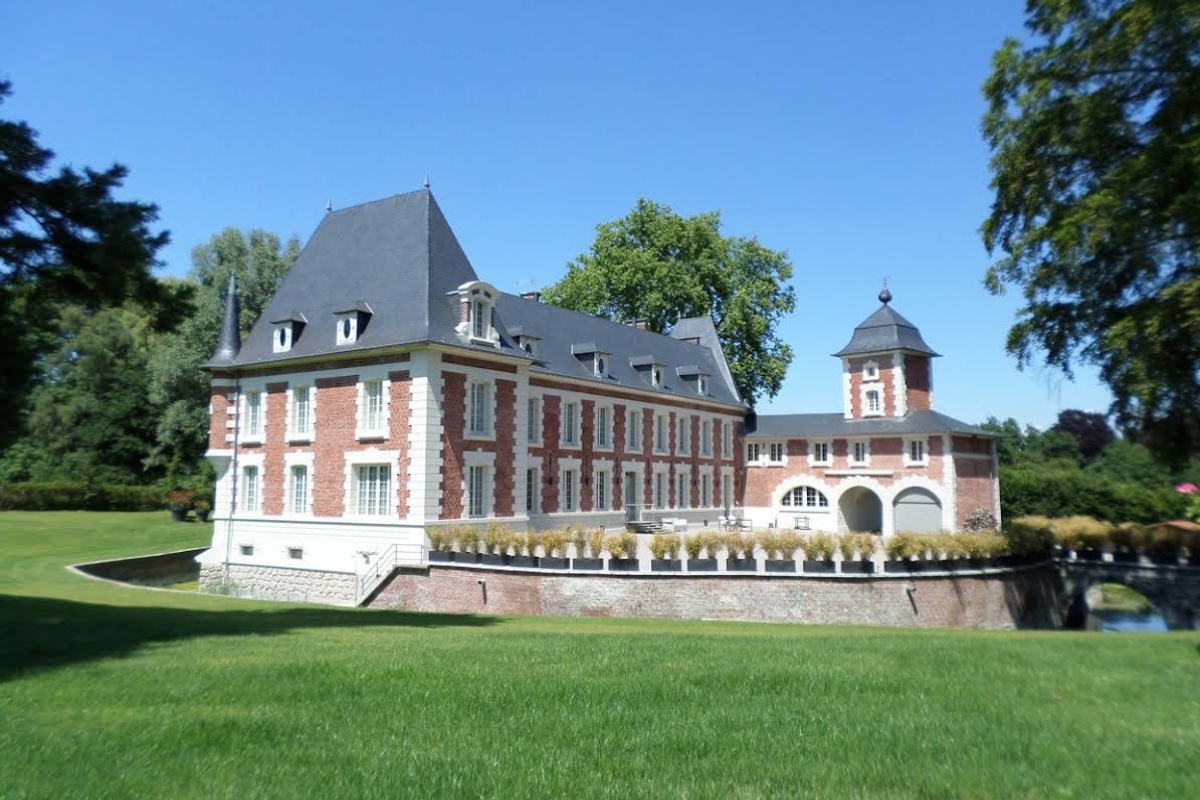
The market for French chateaux is unique and often operates differently from standard residential real estate. Chateau prices can vary dramatically, from as little as €300,000 for a property requiring extensive renovation to €30 million or more for a fully restored, historically significant estate. The market is relatively stable, with prices generally appreciating slowly over time. However, it can be influenced by factors such as global economic conditions, changes in French property laws, and trends in luxury and second-home markets. The chateau market tends to be more active in spring and early summer when properties show best and international buyers are more likely to visit.
Working with Real Estate Professionals
Given the complexity of chateau purchases, working with experienced professionals is crucial. Look for real estate agencies that specialize in luxury properties or chateaux specifically. They will have the expertise to guide you through the unique aspects of these purchases. Unless you’re fluent in French, a bilingual agent can be invaluable in navigating negotiations and paperwork. An agent with deep knowledge of the region you’re interested in can provide insights into local markets, regulations, and lifestyle considerations.
Due Diligence
When you buy a chateau in France, thorough due diligence is essential:
- Understand the property’s history, including any protected status or restoration requirements.
- Engage qualified professionals to assess the building’s condition.
- Verify the exact boundaries and any rights of way or easements.
- Ensure there are no outstanding legal issues, liens, or disputes.
- Check required permissions for any planned changes or business operations.
Legal Considerations When Buying a Chateau
The Purchasing Process
Buying a chateau in France involves several legal steps:
- Compromis de Vente: The initial binding contract between buyer and seller.
- Cooling-Off Period: A 10-day window for buyers to withdraw without penalty.
- Notaire Involvement: An impartial third party ensuring legal compliance.
- Acte de Vente: The final deed of sale, signed before the notaire.
Ownership Structures
Different ownership structures can have significant legal and tax implications. Direct ownership is the simplest form, but may have inheritance tax disadvantages for non-residents. An SCI (Société Civile Immobilière) is a French property holding company that can offer flexibility in ownership and potential tax benefits. For those planning to run a business from the chateau, a commercial company structure might be appropriate.
Residency and Visa Considerations
If you plan to live in your chateau full-time or for extended periods, residency and visa considerations come into play. EU citizens can live and work in France without restrictions. Non-EU citizens may need to apply for long-stay visas or residency permits, depending on their circumstances. Be aware of how much time spent in France might affect your tax status.
Financial Aspects of Chateau Ownership
Purchase Costs
Beyond the purchase price, budget for additional costs. Notaire fees are typically 7-8% of the purchase price for older properties. Agency fees are usually paid by the seller, but it’s important to confirm this. Factor in costs for structural and land surveys. If buying from abroad, consider using a specialist forex service to get the best rates for currency exchange.
Ongoing Costs
Chateau ownership comes with significant ongoing expenses. Property taxes include the Taxe Foncière (land tax) and Taxe d’Habitation (though the latter is being phased out for primary residences). Utility costs can be substantial, particularly for heating large spaces. Specialized insurance may be required for historic properties. Regular upkeep is crucial to preserve the property’s value and integrity.
Financing Options
While many chateau buyers pay cash, financing is possible. French mortgages are available to foreign buyers, typically with lower loan-to-value ratios than standard properties. Some international banks offer loans for overseas property purchases, and there are specialist lenders who focus on financing for historic or unusual properties.
Renovating and Maintaining Your Chateau
Restoration Considerations
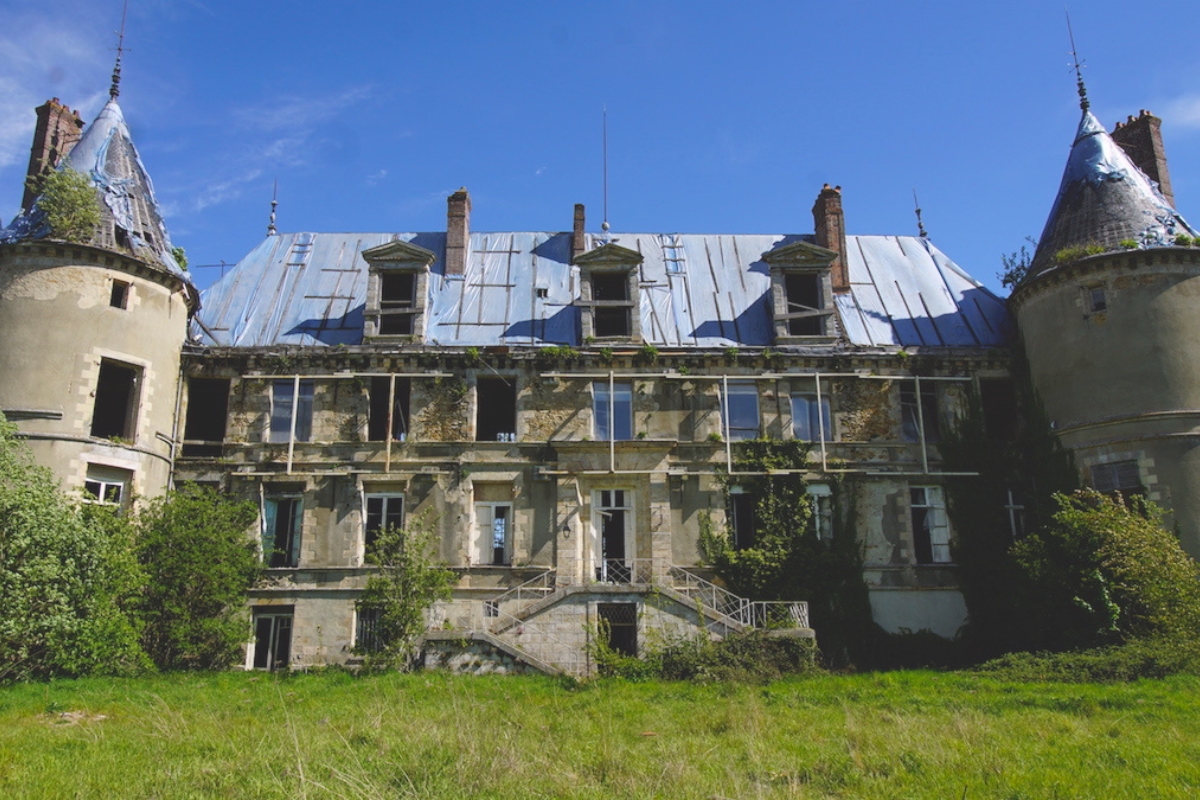
Many chateaux require significant restoration work. If the chateau is listed as a historical monument, renovations may need to be approved by French heritage authorities. Specialized craftsmen may be needed for authentic restorations. Balancing historical authenticity with modern living standards can be challenging, as can improving energy efficiency without compromising historical features.
Ongoing Maintenance
Proper maintenance is crucial to preserve your chateau’s value and charm. Schedule regular checks of roofing, masonry, and woodwork. Budget for ongoing landscaping and maintenance of extensive grounds. Consider modern security systems to protect valuable contents and ensure peace of mind. For larger properties, you may need to employ permanent staff for maintenance and security.
Case Study: From Dream to Reality
The Story of Château de la Roche Courbon
To illustrate the journey of chateau ownership, let’s look at the story of Château de la Roche Courbon in Charente-Maritime. Built in the 15th century, the chateau fell into ruin by the early 20th century. In 1920, Paul Chénereau, a local man, purchased the chateau and dedicated his life to its restoration. The restoration involved draining surrounding marshland, rebuilding collapsed walls and roofs, and recreating formal gardens. Today, the chateau is open to the public and hosts events, balancing preservation with financial sustainability.
This case study offers valuable lessons for prospective chateau owners. It highlights the importance of passion and dedication in chateau ownership, the potential for creative use of the property to offset maintenance costs, and the rewards of preserving and sharing a piece of history.
Frequently Asked Questions
Q1: Can non-French citizens buy a chateau in France?
A: Yes, there are no restrictions on foreign ownership of property in France. However, non-EU citizens may face additional considerations regarding visas and residency if they plan to live in the chateau.
Q2: How much does it typically cost to maintain a chateau annually?
A: Annual maintenance costs can vary widely depending on the size and condition of the property. As a rough estimate, budget for 1-3% of the property’s value annually for maintenance and repairs.
Q3: Can I run a business from my chateau?
A: Yes, many chateau owners operate businesses such as hotels, wedding venues, or vineyards. However, you’ll need to ensure you have the proper licenses and comply with local regulations.
Q4: Are there tax advantages to owning a chateau in France?
A: There can be, particularly if the chateau is classified as a historic monument. This may allow for certain tax deductions related to maintenance and restoration costs.
Q5: How long does the process of buying a chateau typically take?
A: The process usually takes 3-6 months from making an offer to completion, but it can take longer if there are complications or extensive legal checks required.
Final Thoughts
Buying a chateau in France is not just a real estate transaction; it’s an adventure, a journey through history, and a unique lifestyle opportunity. While the process can be complex, the rewards of owning a piece of French heritage are immeasurable. From the thrill of restoration to the joy of sharing your home with family and friends, chateau ownership offers a truly unparalleled experience.
As you embark on this exciting journey, remember to do thorough research and due diligence, work with experienced professionals, understand the ongoing commitments of chateau ownership, and embrace the rich history and culture that comes with your new home.
With careful planning and the right support, your dream of owning a French chateau can become a magnificent reality. Bonne chance et profitez de votre château!
Learn More About Chateau Renovation:
The Hidden Stories Behind France’s Most Famous Abandoned Chateaux
Are There Really Hundreds of Abandoned Chateaux in France?


