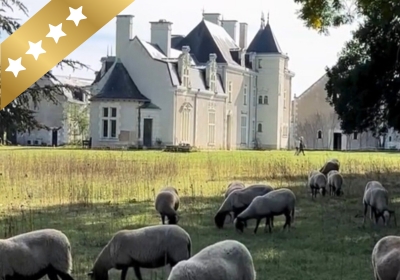
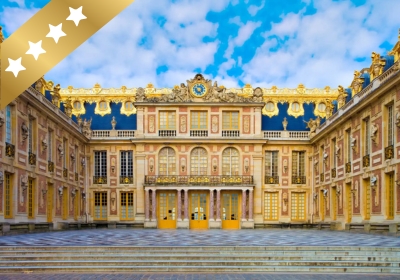
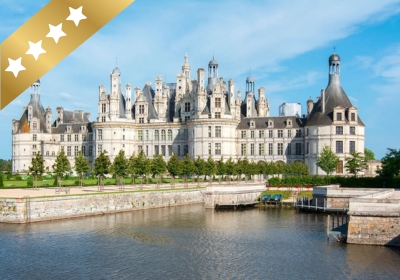
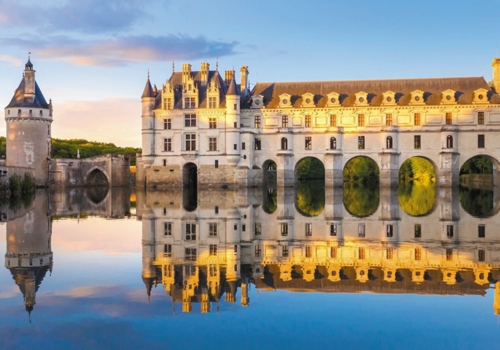
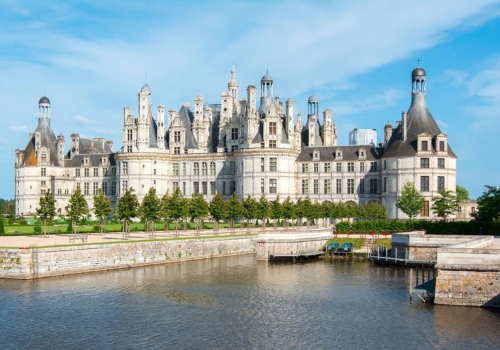
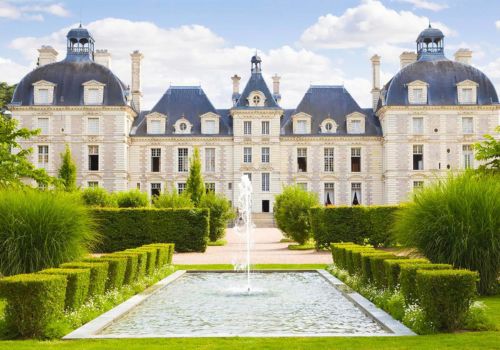
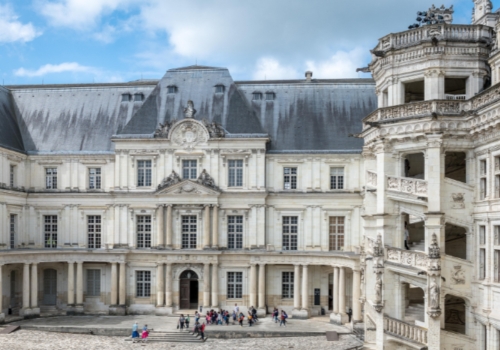
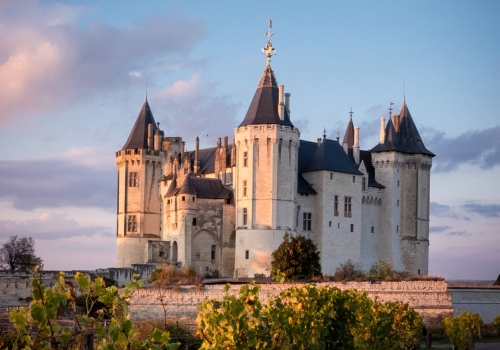
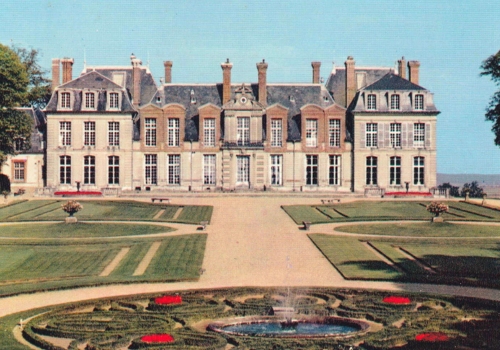
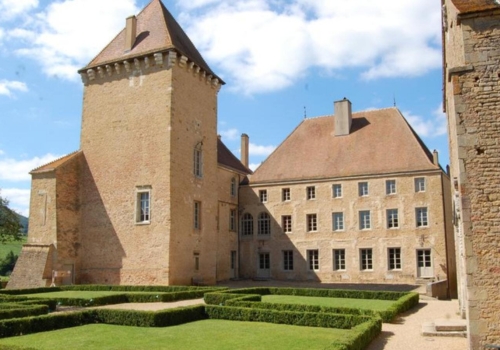
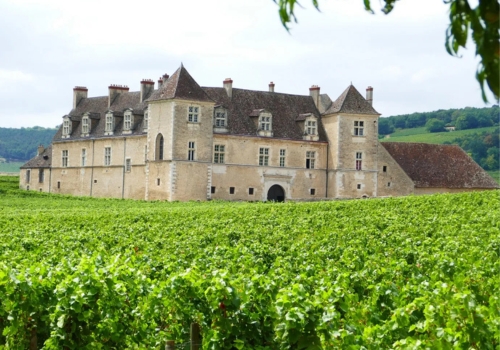
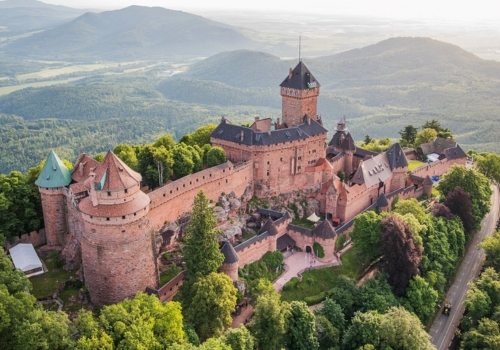
Step into the world of France’s most unforgettable castles—from Loire Valley fairy-tale châteaux to formidable medieval strongholds. Discover stories etched in stone, captivating legends, and practical travel tips. Our featured châteaux are celebrated across four categories: Most Charming, Best Historical Tour, Best Architecture Tour, and Most Romantic Setting. Start your journey at the Castle Directory, and let your French adventure unfold.
Discover the Loire Valley, France’s enchanting ‘Garden of Kings,’ home to over 300 Renaissance châteaux nestled along France’s longest river. This UNESCO World Heritage region boasts the highest concentration of royal castles in Europe, where French nobility competed to build increasingly magnificent residences during the 15th and 16th centuries.
Chateau de Chenonceau
Elegant “Ladies’ Château” spanning the River Cher on graceful arches. Famous for stunning gardens and the rivalry between Diane de Poitiers and Catherine de Medici.
Largest château in the Loire Valley with a distinctive double-helix staircase designed by Leonardo da Vinci. Features 440 rooms, 365 fireplaces, and iconic French Renaissance architecture.
Renowned for spectacular Renaissance gardens with ornamental vegetables arranged in geometric patterns. The meticulously maintained living works of art are visible from the château’s towers.
Inspiration for Tintin’s Marlinspike Hall featuring remarkably preserved 17th-century interiors. Famous for its pack of 100 hunting dogs and twice-weekly feeding ceremony.
Four architectural styles surrounding one courtyard, offering a visual journey through French history. Site of royal intrigue and the Duke of Guise’s assassination in 1588.
Fairy-tale château built on an island, appearing to float on the Indre River. A masterpiece of early French Renaissance with an iconic reflecting pond.
Preserved medieval castle with a rare working wooden drawbridge and authentic battlements. Houses exceptional 15th-century tapestries and period furniture.
Explore the dramatic medieval fortresses of Normandy and Brittany, where stone sentinels have guarded France’s rugged northwestern coastline since William the Conqueror’s time. These historic castles blend French and English architectural influences, reflecting centuries of strategic importance and the region’s rich maritime heritage.
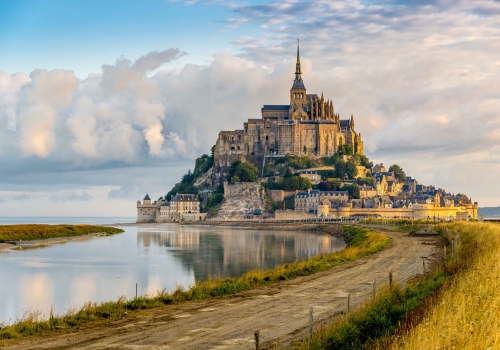
Mont Saint-Michel
Iconic abbey and fortress built on a tidal island, creating a silhouette recognizable worldwide. At high tide, the granite islet appears to float magically on the sea.
11th-century fortress built by William the Conqueror, now housing two excellent museums. The massive walls witnessed the historic siege during the Hundred Years’ War.
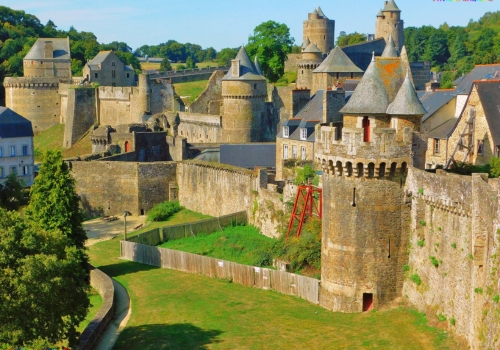
One of Europe’s largest medieval fortresses, featuring 13 towers spanning three acres. The innovative triple-wall design created concentric defensive zones centuries ahead of its time.
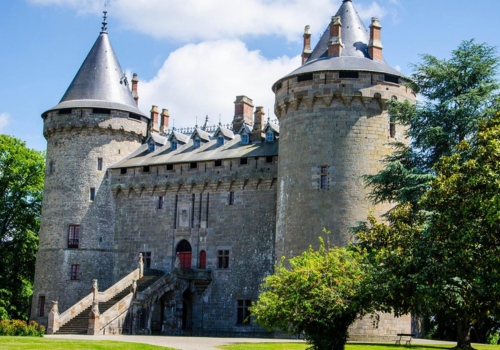
A 1,000-year-old castle still owned by the Rohan family, featuring distinctive round towers. Houses a remarkable doll museum with over 5,000 exhibits spanning four centuries.
Birthplace of William the Conqueror featuring innovative audiovisual displays recreating medieval life. Showcases a rare example of Norman military architecture with its square keep.
A formidable fortress with fairy-tale turrets overlooking the medieval town since the 11th century. Features remarkable state rooms and a unique pentagonal layout.
A seaside ducal residence with a moat, located just minutes from Atlantic beaches. Once a hunting lodge for the Dukes of Brittany, it features excellent medieval-themed exhibitions.
Known for its remarkable terraced gardens rising in four levels, considered among the finest in France. The exquisite formal gardens create a perfect union of architecture and landscape design.
A distinctive red-brick fortress with a moat, featuring period furniture and tapestries. The unique red brick and granite construction creates a striking contrast in the Norman landscape.
A Renaissance château surrounded by remarkable gardens, associated with a scandalous love story. Features a tragic history of forbidden love that ended in their execution.
Part of the impressive ramparts of Dinan, offering views over the Rance Valley. The massive tower served as both a defensive structure and a symbol of ducal power in medieval Brittany.
The childhood home of writer Chateaubriand, featuring four imposing granite towers. The gloomy atmosphere and eerie legends inspired Chateaubriand’s romantic literary style.
Visit the Île-de-France region surrounding Paris, showcasing the grandest royal palaces that epitomize French monarchy’s absolute power and artistic patronage. Home to Versailles, the world’s most famous château, this region represents the pinnacle of French classical architecture and formal garden design that influenced palaces across Europe.
Chateau de Versailles
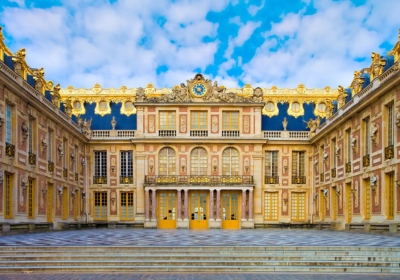
The epitome of royal grandeur featuring the spectacular Hall of Mirrors and 2,300 rooms. Its 800-hectare gardens with fountains, canals, and parterres set standards for royal gardens worldwide.
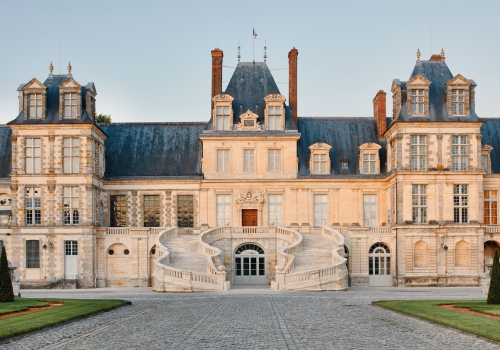
One of France’s largest royal châteaux, showcasing 800 years of continuous royal residence. Features the unique horseshoe-shaped staircase and the gallery where Napoleon bid farewell to his Imperial Guard.
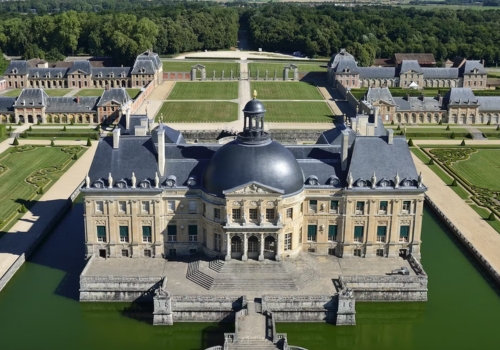
The inspiration for Versailles, featuring gardens by Le Nôtre and lavish interiors by Le Brun. Its owner’s splendor so impressed Louis XIV that he had him imprisoned for outshining him.
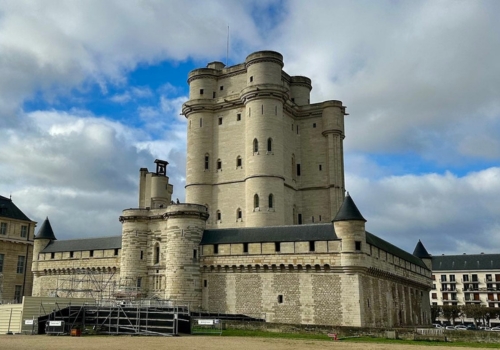
Massive 14th-century royal fortress with the tallest medieval donjon in Europe at 52 meters. Served as royal residence, prison, armory, and the site where Marquis de Sade was imprisoned.
Home to the second-largest collection of antique paintings in France after the Louvre. Features spectacular stables built for horses said to be reincarnated aristocrats.
Empress Josephine’s residence featuring remarkable Empire-style decoration and botanical gardens. Napoleon’s last home in France, where he spent his final days before exile.
Presidential residence with magnificent gardens and Marie Antoinette’s Dairy. Features the remarkable Shell Cottage decorated with thousands of seashells and mother-of-pearl.
Houses the National Museum of the Renaissance with exceptional period furniture and tapestries. Showcases rare 16th-century ceramics and the monumental “David and Goliath” tapestries.
Known for its wax figures depicting scenes from Charles Perrault’s fairy tales amid period furnishings. Surrounded by a 75-hectare park featuring topiary gardens and a labyrinth.
Masterpiece of 17th-century classical architecture designed by François Mansart. Considered the perfect embodiment of French classical proportion and symmetry.
Alexandre Dumas’ eccentric creation featuring Moorish architecture and elaborately carved mottos. Named after his most famous novel, this fantasy château was bankrupted by Dumas’ extravagant lifestyle.
A unique 16th-century château combining Renaissance architecture with the first safari park in France. Family-owned for 400 years, it pioneered the concept of drive-through wildlife reserves in Europe.
Journey through Burgundy and the Rhône-Alpes, where medieval castles rise above world-famous vineyards and historic trade routes. This eastern region features formidable fortresses built by powerful dukes who rivaled French kings, alongside elegant Renaissance châteaux that showcase the wealth generated by the region’s renowned wine production.
Chateau de Cormatin
Magnificent 17th-century moated château with perfectly preserved Louis XIII interiors. Features remarkable trompe l’œil paintings and formal French gardens.
Picturesque 12th-century vineyard castle offering wine tastings from its historic cellars. Combines historical tours with Burgundy wine experiences in an authentic setting.
Iconic wine château at the heart of Burgundy’s prestigious vineyards. Houses massive medieval wine presses and hosts the famous Confrérie des Chevaliers du Tastevin.
Dramatic hilltop castle offering panoramic views across the Grosne Valley. Features remarkable 14th-century chapel frescoes and a preserved medieval village.
Italian Renaissance-style palace with perfect symmetry, designed by architect of the Louvre. Contains France’s largest collection of Renaissance murals outside Fontainebleau.
Wander among the distinctive castles of Alsace and Lorraine, where French and Germanic influences create a unique architectural heritage unlike anywhere else in France. Perched dramatically atop Vosges Mountain peaks, these border fortresses tell the story of centuries of shifting frontiers, featuring pointed turrets, half-timbered elements, and commanding views across the Rhine Valley.
Chateau du Haut-Koenigsbourg
Mountain-top medieval fortress spectacularly restored under Kaiser Wilhelm II. Offers panoramic views across the Rhine Valley to the Black Forest and the Alps.
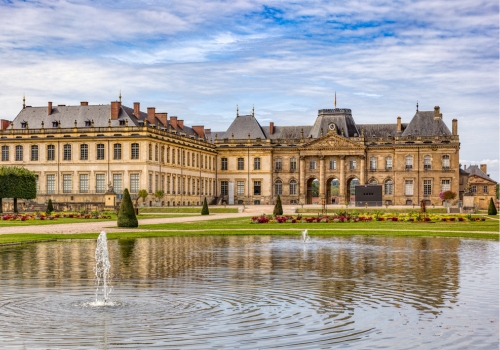
Known as the “Versailles of Alsace,” this elegant 18th-century palace showcases classical grandeur. Houses three museums with fine arts, archaeology, and decorative collections.
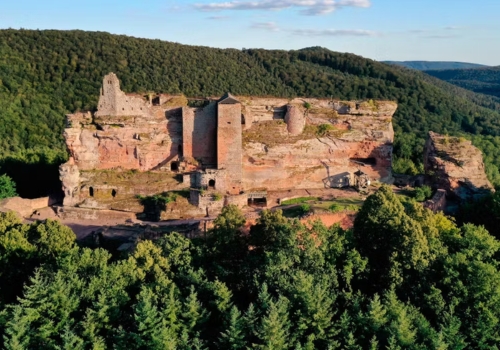
Dramatic rock castle built into a sandstone cliff with innovative historical displays. Features forest adventure courses and interactive medieval technology exhibits.
Partially ruined hilltop fortress with an innovative blend of medieval and contemporary glass architecture. Hosts regular cultural events with modern art installations in historic spaces.
Often called “the Lorraine Versailles,” featuring formal French gardens and grand ceremonial spaces. Undergoing extensive restoration following a devastating 2003 fire.
Experience the sun-drenched castles of Provence and the French Riviera, where medieval fortifications blend Mediterranean and French defensive architecture. From papal palaces to coastal fortresses, this southern region’s châteaux reflect Roman influences, protection against Mediterranean pirates, and the opulent lifestyle of Belle Époque aristocracy.
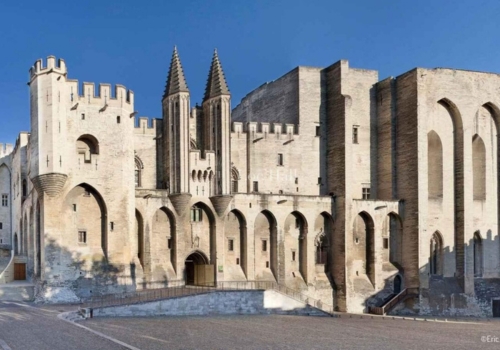
Palais des Papes
Europe’s largest Gothic palace and former seat of Western Christianity during the 14th century. Features remarkable frescoes and hosts the famous summer arts festival.
Island fortress made famous by Alexandre Dumas’ “The Count of Monte Cristo.” Located in the Bay of Marseille with spectacular Mediterranean views from its battlements.
Exceptionally well-preserved medieval fortress on the Rhône River. Features high walls, a moat, and interiors reflecting its dual role as fortress and royal residence.
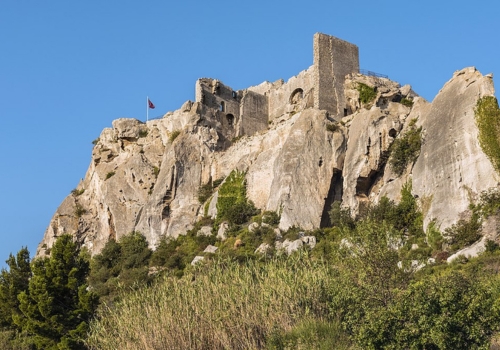
Dramatic clifftop ruins with medieval siege engine demonstrations and Provençal views. Once the base of the powerful Lords of Baux who claimed descent from the Magi.
Massive 14th-century royal fortress with magnificent towers commanding views over Avignon. Built to assert French authority opposite papal territory across the Rhône.
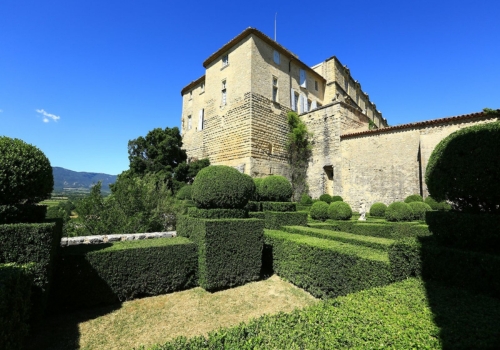
One of the best-preserved castles in Provence dating from the 10th century. Features beautiful gardens, period furniture, and a remarkable medieval kitchen.
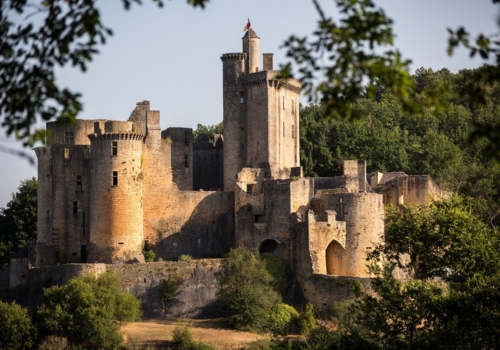
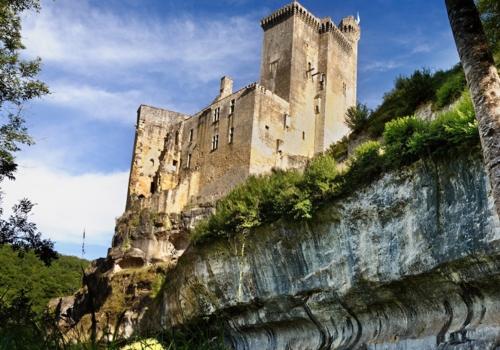
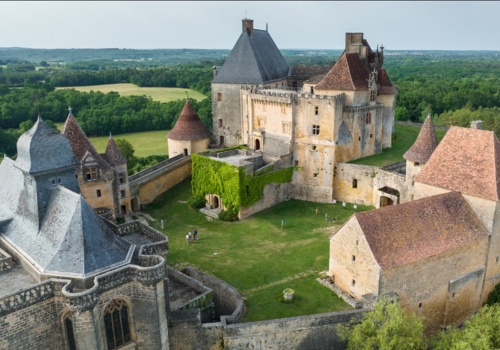
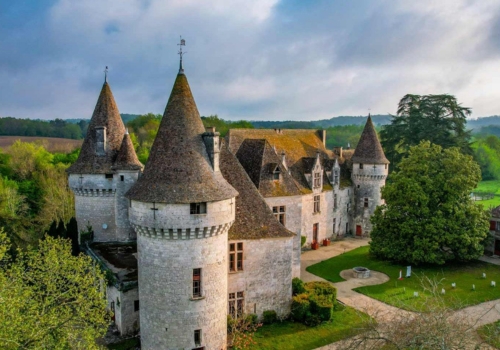
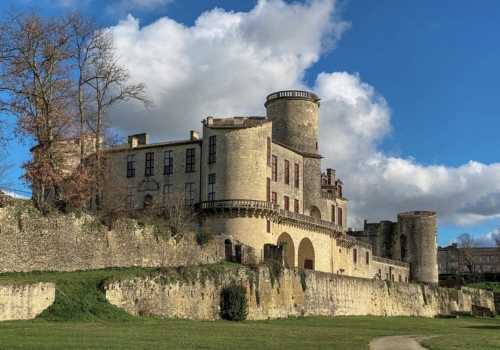
Step back in time in the Dordogne and Aquitaine, home to France’s highest concentration of medieval castles and the backdrop of the Hundred Years’ War. This southwestern region showcases dramatic cliff-top fortresses, prehistoric cave dwellings, and elegant Renaissance châteaux scattered along the verdant valleys of five picturesque rivers.
Chateau de Beynac
Dramatic clifftop fortress offering spectacular views over the Dordogne Valley. Featured in the film “Chocolat” and once occupied by Richard the Lionheart.
Medieval stronghold housing the Museum of Medieval Warfare with siege engine reconstructions. Rivals the nearby Beynac castle across the valley, showcasing centuries-old feuds.
Former home of Josephine Baker featuring Art Deco interiors and falconry displays. Tells the remarkable story of the performer’s life and her “Rainbow Tribe” of adopted children.
Unique blend of medieval defensive and Renaissance architectural styles. Surrounded by renowned sweet wine vineyards with wine tasting available in historic cellars.
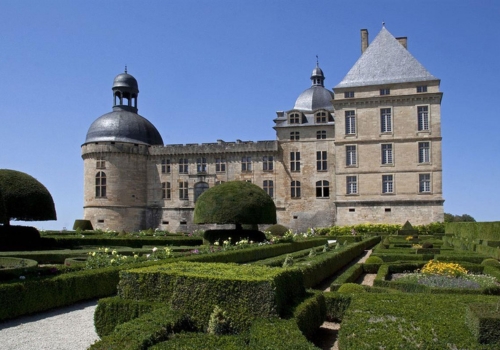
Grand 17th-century château with French formal gardens and English-style grounds. Completely rebuilt after a devastating 1968 fire destroyed the historic interior.
One of France’s most spectacular fortress ruins showcasing advanced late medieval military architecture. Features innovative defensive elements including rare early gun ports.
Dramatic ruined castle complex with caves containing prehistoric paintings beneath the structures. Hidden in a valley and abandoned for centuries, only rediscovered in the 1970s.
Elegant Renaissance château reminiscent of Loire Valley architecture in the Dordogne region. Features remarkable period furnishings and detailed stone carvings.
Massive castle spanning architectural styles from the 12th to 18th centuries. Unusual multi-level chapel and expansive great hall showcase its evolution over 800 years.
Two castles in one location: a medieval fortress and a Renaissance palace. Houses one of France’s finest collections of period furniture and decorative arts.
Known as the “castle of games,” featuring dozens of traditional wooden games for visitors. Recently restored from near-ruin to become one of the region’s most interactive castle experiences.
Impressive fortress combining military defenses with elegant residential quarters. Offers panoramic Dropt Valley views and distinctive 14th-century cylindrical towers.
Marvel at the mountain fortresses of the French Alps and Savoie, where strategic castles guard ancient Alpine passes connecting France to Italy and Switzerland. These distinctive strongholds feature Italian-influenced architecture, massive defensive walls adapted to mountainous terrain, and breathtaking panoramas across some of Europe’s most spectacular landscapes.
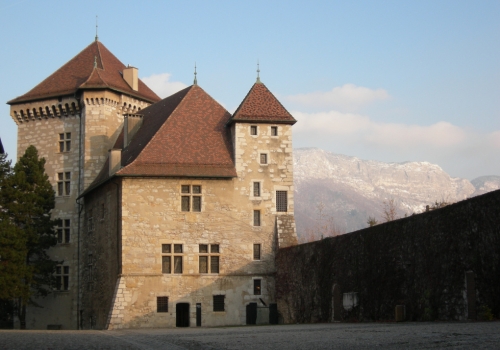
Chateau d'Annecy
Restored medieval castle overlooking Lake Annecy, now housing regional museums. Distinctive combination of medieval defensive towers and Renaissance residential quarters.
Fairytale castle perched above Lake Annecy that reportedly inspired Walt Disney. Features 105 rooms spanning 1,000 years of architecture and a library with rare manuscripts.
Mountain fortress with 1,000 years of military architectural evolution and five defensive rings. Famous as the prison of Toussaint Louverture, leader of the Haitian Revolution.