


At the end of a forest road few tourists find by accident, a long allée of plane trees parts to reveal a Renaissance façade that doesn’t shout for attention, but commands it anyway. Here in the quiet heart of the Loire Valley, the Château de Champchevrier sits enveloped by woodland, surrounded by working kennels, and fronted by a walled moat, which unlike many decorative water features, remains filled with water as it would have been historically. Because unlike tourist attractions that have become elaborate museum sets, Champchevrier isn’t performing. It’s continuing.
And it has been—for nearly 300 years under the stewardship of the same family.
This is no empty heritage shell. This is not a glossy restoration or an architectural vanity project with velvet ropes and laminated placards. This is a living château. The Baron de Champchevrier, his wife, and their family still reside here. The hounds still howl on cue. The hunting horn still calls across the forest.
Upstairs, dinner still happens where it always has – in the same kitchens, at the same tables, under the watchful eyes of ancestral portraits who have been quietly judging the seating arrangements for centuries.
When my husband Monte and I visited, we were given a private tour by Laurence Bizard Hamilton, the daughter of the current Baron, and her husband Gustaf Hamilton. It wasn’t a scripted or formal affair. It was personal. Unhurried. Warm.
Laurence spoke of the château with the insight of someone who knows the weight of its ceilings and the quirks of its stones. Gustaf’s humor and perspective brought the estate’s rhythms to life, sharing the everyday realities of maintaining 16th-century floors and 21st-century family obligations.

Some rooms have never been opened to the general public, and have layers of paint, paper, and history whispering through the cracks. Stunning, untouched, and slated for restoration.
Places like this don’t exist on itineraries. They are passed on through conversations, discovered by the curious.
If you’re coming to the Loire Valley for the glossy château circuit, by all means see the big names. But if you’re coming for authenticity—for history that still lives, breathes, and occasionally barks—then you need to know about Champchevrier.
A Château That Kept the Crown Close

To understand why Champchevrier matters, you have to understand what didn’t happen here. It was never seized. It was never abandoned. It was never gutted, whitewashed, sold off in pieces, or stripped of its identity in the name of progress. And for a French château, that is almost unheard of.
Champchevrier began as a medieval hunting lodge before evolving into a Renaissance residence in the 16th century. The structure that visitors see today reflects several generations of architectural refinement, shaped most notably during the 17th and 18th centuries. But what sets it apart isn’t the stonework or symmetry. It’s the fact that the people inside never left.
While revolutionaries stormed other estates, and war turned many into ruins or barracks, the future of Champchevrier was placed into the hands of one family.
In 1728, the estate was purchased by the ancestors of the current Baron. It has remained in their care ever since. That’s nearly three centuries of continuous family stewardship through revolution, republic, empire, and two world wars. No rotating cast of aristocrats. No absentee landlords. Just one family, generation after generation, doing what needed to be done to keep the place whole.
Royalty came here before the family ever took ownership. Kings Louis XI and Louis XIII both hunted in these woods. Hunting then wasn’t simply recreational, but a demonstration of control over land and nature, a symbol of status that carried political weight.
Louis XIII, known for his serious devotion to the hunt, had a special fondness for Champchevrier. This was no passing stop for the king. It was a favorite retreat, chosen for the quality of the game and the isolation it offered from court politics.
In an age when proximity to the king meant everything, Champchevrier was more than a pleasant place in the countryside. It was plugged into the power network of France.
That kind of continuity is nearly extinct. Champchevrier, on the other hand, never ceased to be what it was meant to be: a private family estate with public resonance, a place of tradition and labor, status and responsibility.
The result is a property that is less about performance and more about preservation. Not in the sense of frozen time, but in the sense of time that keeps moving without needing to reinvent itself every decade.
A Royal Hunting Tradition
If there’s a moment at Champchevrier that feels too cinematic to be real, it’s the hunt.


We witnessed it ourselves, and at first, it felt like a well-produced period film.
Huntsmen in red and beige coats stood shoulder to shoulder, the morning sun catching the polished brass of their hunting horns. 100 hounds waited, restless but trained, in a courtyard that echoed with anticipation.
Then came the call, and just like that, the pack surged forward in orchestrated chaos, hooves pounding and horns blaring as they disappeared into the woods. And yes, there were children in tweed and velvet watching with wide eyes. There were women in riding boots and men in field jackets sipping from flasks. And there were spectators who had flown in from other countries just to witness it.
At Champchevrier, this isn’t theater. This is the continuation of something older than any revolution. The hunting tradition here is the backbone of the estate’s identity, woven into its purpose and preserved with deliberate care.
The phrase “This was once a land of wolves” often begins guided tours of the property, and with good reason. This forest once held packs of wolves. That fact alone lends context to the legacy of the hunt. In the days of King Louis XI and later Louis XIII, hunting wasn’t a pastime. It was a necessity and an act of territorial dominance and environmental management.
Those same woods, now quiet underfoot and filtered with dappled sunlight, once teemed with threat and opportunity. The kings came to sport and to command in nature. For that, Champchevrier offered the perfect terrain.
Today, the wolves are long gone, but the deer remain plentiful, and the structure of the hunt remains intact. The estate hosts what is believed to be the oldest continuously operating hunting company in France. It is a fully engaged enterprise, with protocols, responsibilities, and rhythms that the family continues to uphold.
Laurence’s brother-in-law, the Master of the Hunt, leads the proceedings with a precision and quiet pride that speaks to decades—if not centuries—of inherited knowledge.
The hounds themselves are a specialized cross between English Foxhounds and French Poitevin dogs, bred for their stamina and speed, and trained year-round. On the day we visited, the kennels were immaculate, the dogs were healthy and social, and the energy was palpable.

What struck us most was the cross-generational nature of it all.
Children followed the hunt on foot, their expressions lit up with curiosity and awe. Families stood along the tree line, listening for horn calls in the distance. It felt both timeless and immediate. And while the estate now welcomes outside guests, the atmosphere was anything but commercial.
People came for the experience, yes—but also for the meaning of it. There was no signage, no seating area, no separation between participants and witnesses. You were part of it, like it or not.
It’s rare to see something so embedded in place and people. With much of heritage either digitized or dramatized, Champchevrier’s hunt remains resolutely real. That kind of authenticity is hard to describe without falling into cliché, but suffice it to say this: standing there, hearing the calls, watching the dogs, and knowing that the family themselves still lead every aspect of the tradition—it stays with you.
Architecture That Respects Its Roots
The approach to Champchevrier tells you everything you need to know about its character. No blaring signs or elaborate stagecraft. Just a long, tree-lined allée that opens onto a symmetrical Renaissance façade, perfectly proportioned, slightly worn, and entirely dignified. It is not trying to impress through spectacle. Instead, it reveals itself slowly, the way a private estate should.
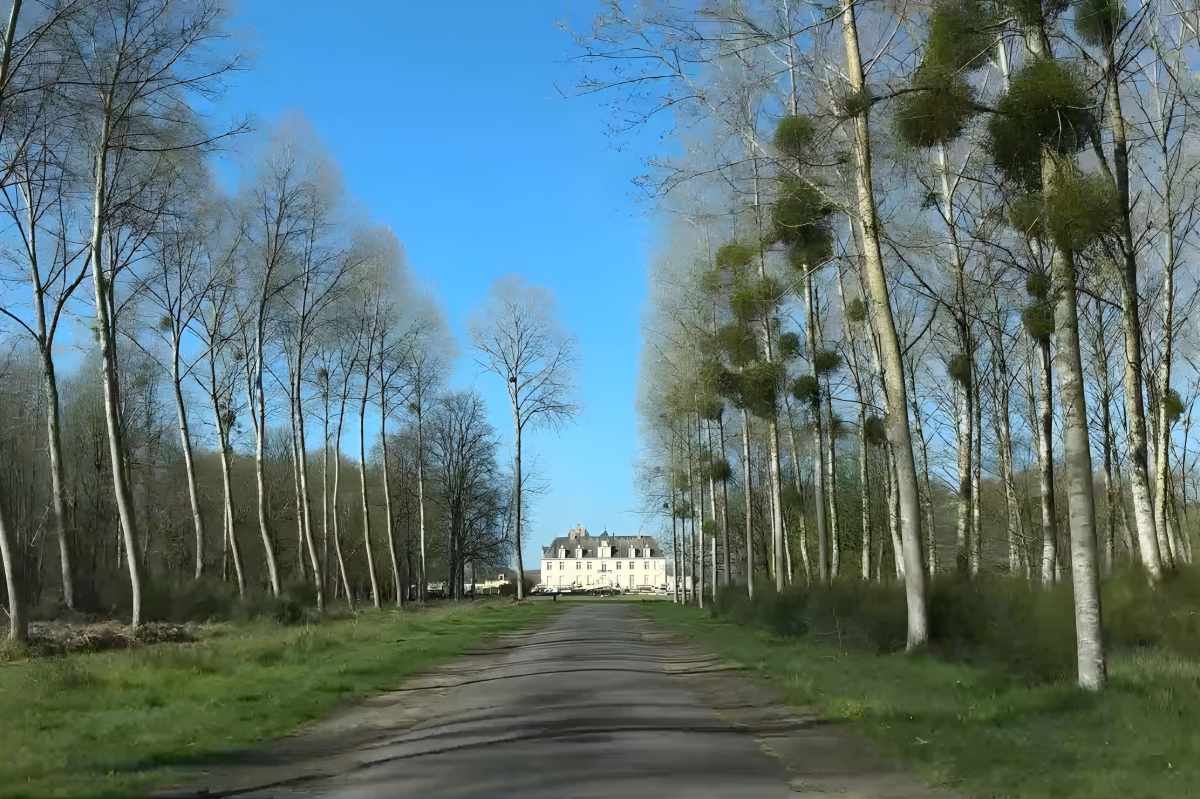
The architecture of Champchevrier is a quiet triumph of balance over bravado. Much of what stands today dates from the 16th to 18th centuries, reflecting a consistent and thoughtful evolution rather than radical reinvention.
It is distinctly French, with a Renaissance core that was refined during the classical period, but it never tipped into ostentation. There is a certain self-assurance in the design—confident enough to endure without needing constant reinvention.
Unlike the fairytale silhouettes of the Loire’s most photographed châteaux, Champchevrier was never meant to dazzle from a distance. It was designed for living, entertaining, and governing a working estate.
The moat is still filled with water, not as a decorative nod to history but because that was, and remains, its original function. The gate of honor leads to a courtyard with practical symmetry. There is elegance in every line, but it remains grounded.

The surrounding estate, too, is part of the architecture. This is not a château that was separated from its landscape.
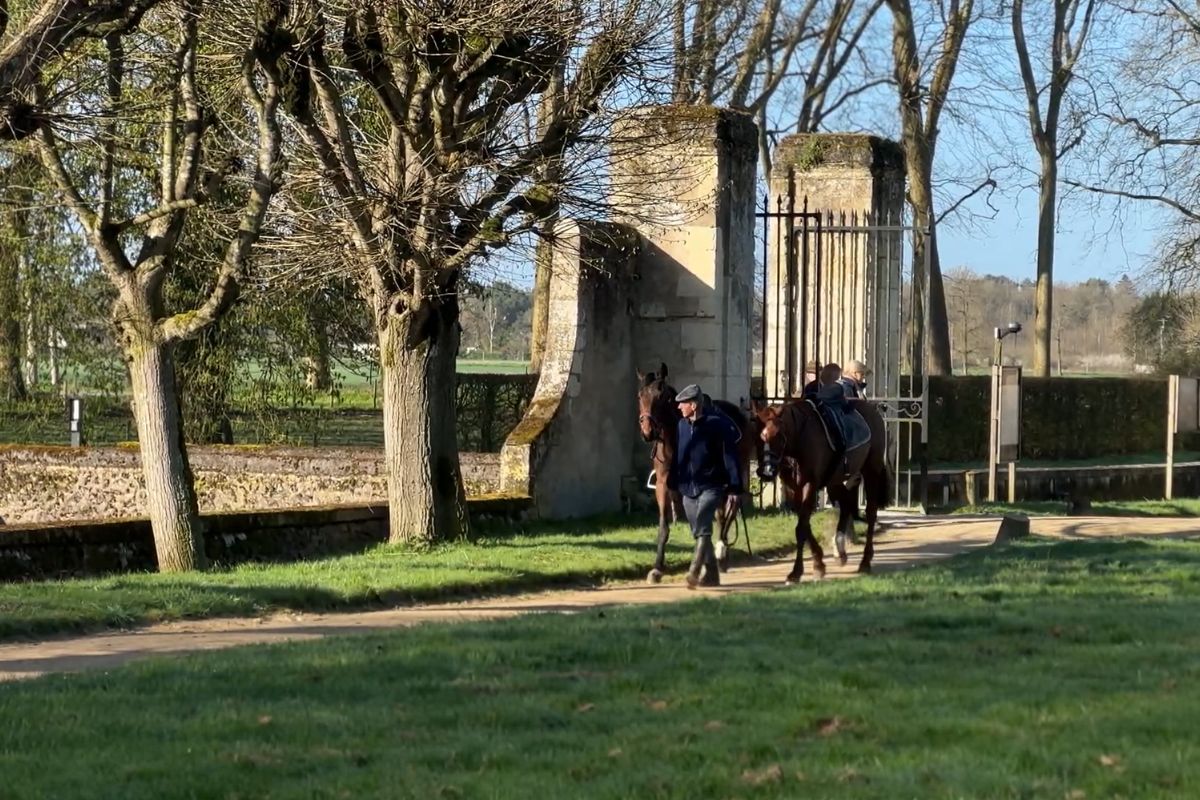
The forest is part of the chateau’s identity. The grounds are expansive but not over-manicured. There are stables, kennels, and outbuildings that remain in use today, supporting the hunting and equestrian traditions that have long defined life at Champchevrier.
Visitors will often spot horses grazing in the rear fields or hear the distant bark of hounds in training.
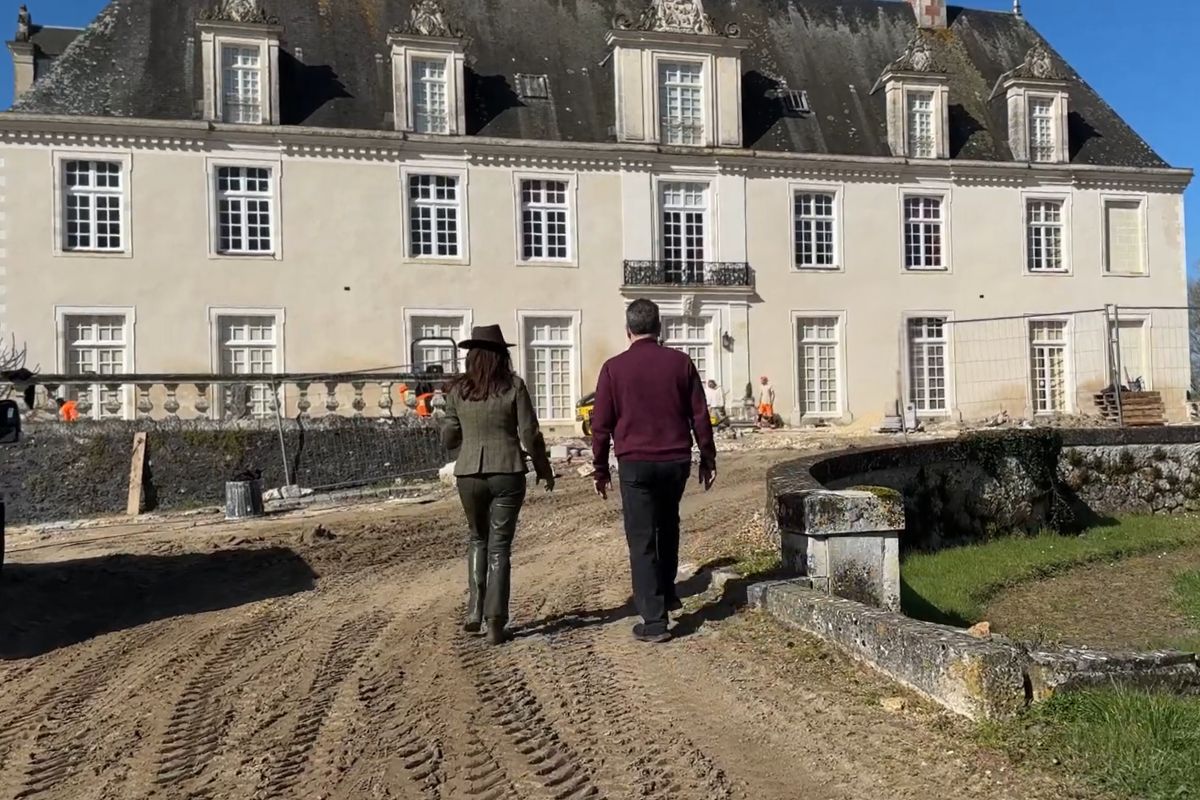
Unlike estates that have been converted into curated museum experiences or reimagined with theatrical landscaping, Champchevrier retains a working rhythm. It remains a place of daily life, ceremony, and heritage.
That is not to diminish the extraordinary appeal of other châteaux in the region, many of which offer grand gardens, remarkable innovations in design, or important royal legacies. But Champchevrier holds its own with something more subtle: an unbroken relationship between architecture, land, and use.
The preservation of this equilibrium is what gives the estate its power. It feels neither dated nor restored, neither theatrical nor sterile. Instead, it feels lived-in, purposeful, and entirely authentic.
A Family That Stayed
At many historic estates, the family name is just that—a name. Etched into a plaque, remembered in an old letter, or referenced during the tour. But at Champchevrier, the family is still home.
The Bizard-Hamiltons, direct descendants of the line that purchased the château in 1728, continue to live here.
Our tour with Gustaf and Laurence showed us a wealth of deep knowledge, affection, and the kind of comfort that comes from knowing a place intimately.
Laurence could point to ancestral furniture and offer a matching family memory. Gustaf could glance at walls and explain how they were repaired and with what materials. Through each room, the place was spoken of like a family member.

The rooms of the house are filled not with replicas or pieces collected from antique dealers, but with original furnishings.
Generations have added, rearranged, and preserved them in situ. Portraits of ancestors line the walls, and you get the sense that the stories behind these paintings are told around the dinner table, not dusted off only when tourists arrive.
The family approaches their responsibility with a kind of practical nobility. They are not aloof. They are deeply involved in its day-to-day life. The Baron still participates in hunts. Laurence helps oversee visits and restoration plans. Gustaf shares family stories and welcomes guests with the kind of warmth that puts you at ease, even in a building that has hosted kings.

There is something profoundly human about seeing a family photograph next to an 18th-century tapestry, or a child’s modern playthings tucked beside the carved legs of an ancestral chair.
It reminds you that aristocratic heritage is more than just titles or estates. It is about stewardship, about surviving with grace, and about choosing—generation after generation—to stay.
Champchevrier never became a museum because it never needed to be rescued. It remains personal, private, and imperfect in all the best ways. And that is the very thing that makes it feel alive.
Inside Château de Champchevrier: A Time Capsule
The château is truly what its website describes as the “Downton Abbey of the Loire Valley,” offering visitors a glimpse into authentic château living rather than a sterile museum experience. The eleven sumptuously decorated rooms showcase art works of museum quality while maintaining the homely feeling that makes Champchevrier special.
Each room tells part of the family’s story, with painted wood paneling depicting generations of Champchevriers who have stewarded this remarkable property since 1728.
Champchevrier opens gently. Its rooms don’t unfold with theatrical flair but with the quiet gravity of a house that remembers everything. What appears at first as stately and restrained reveals, with each step, extraordinary detail. Some of it whispered through texture, some spoken out loud by family members who know every inch of this place.
The most astonishing feature is the tapestries. Not just one or two hung for ambiance, but room after room draped in mythological grandeur—full sets, rare beyond measure. They were designed by Simon Vouet, the official painter of King Louis XIII, and they depict scenes of Roman gods and goddesses in vivid, nearly shocking color.


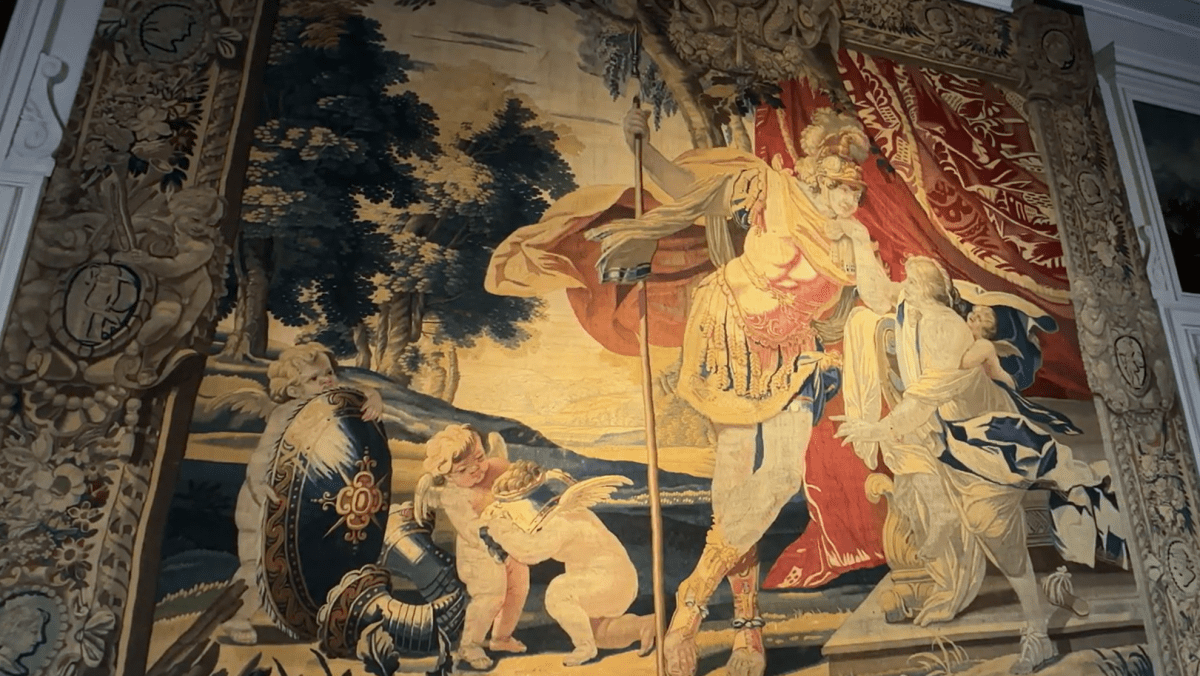
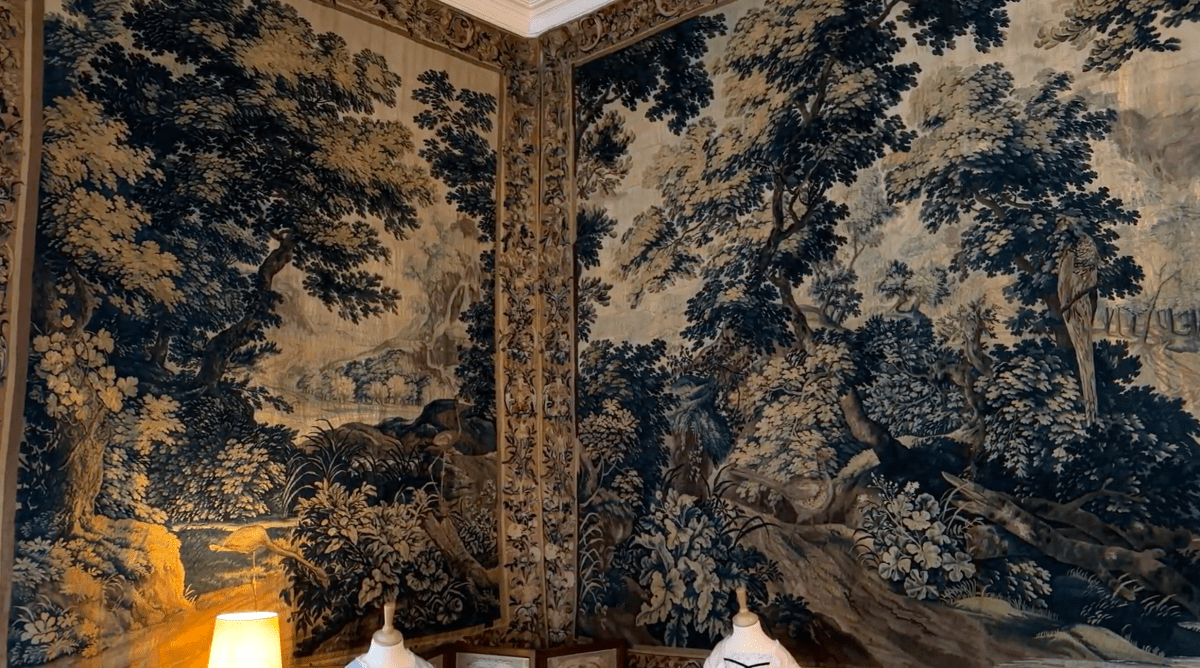
We stood in awe of them. Not only because of their scale and beauty, but because they looked untouched by time.
Laurence told us they are kept in magnificent condition by following strict, almost poetic rules. “There’s no direct sunlight allowed, of course,” she said, gesturing to the careful positioning of the windows.
Gustaf shares, “What most people don’t know is that moonlight is worse than sunlight. That’s why the shutters close every night.”
The tapestries are dusted constantly, and never allowed to sag or crease. It’s a miracle to see an entire set like this intact, let alone in such radiant condition. The effect from room to room is immersive, as if you’re walking through a storybook woven in silk.
And speaking of silk, one room in particular turns the tapestry story inward. The royal bedroom, where not one but two kings are said to have slept, is lined with fabric that carries an extraordinary origin story.
Laurence steps forward, her voice full of quiet pride. “This silk was woven in 1788,” she said, “from silkworms raised right here on the estate.”
Gustaf chimed in, standing near the bed’s heavy canopy. “It was the second Baroness who had the idea. She planted mulberry trees on the grounds. And on mulberry trees, you have silkworms. Over two years, they gathered 580 silk cocoons and created all the silk fabric you see in this room.”
The result is a tactile connection between land, craft, and legacy. There’s meaning in every stitch.
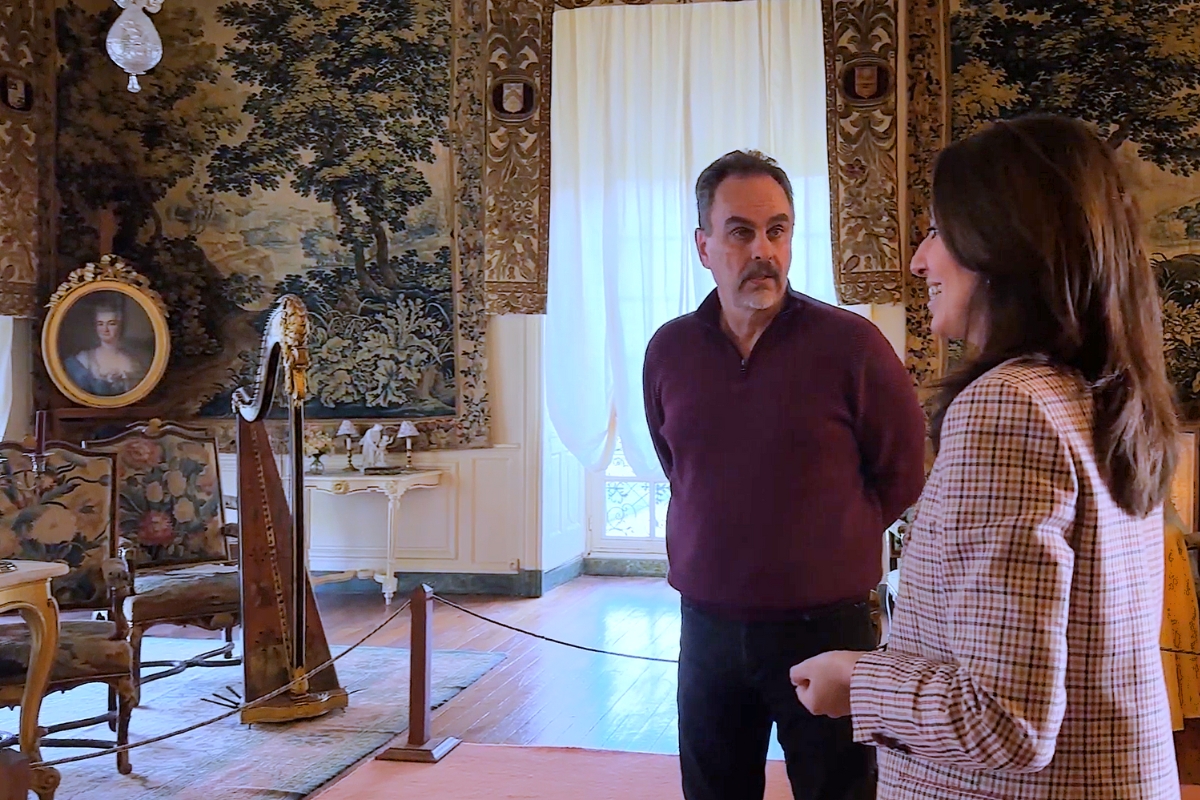
In the music room, the harp that sits near the window was built by Marie Antoinette’s personal luthier. Its delicate frame and gilded carvings speak to the intimacy of court life, now housed in a room filled with family portraits.

The portrait room doubles as the formal dining hall. Though grand, it doesn’t feel ceremonial. The table is laid out for company, and the portraits seem to lean in just slightly, as if listening.


And then, there are the secrets. Each piece of furniture held its own story, and so do the rooms that are kept hidden… at least for now.

We were fortunate to be shown a room not yet opened to the public. Hidden, untouched, and rich with stories waiting to be told, it is part of a future project. A quiet space filled with layers of history that haven’t yet stepped into the light.

We’ll be revealing more about that in our next video.
Champchevrier’s rooms impress through precision, through narrative, and through presence. This is a house where beauty comes from care, and history reveals itself not all at once, but room by room, in fibers and frames.
For Downton Abbey Fans: Why Chateau de Champchevrier Will Feel Like Home
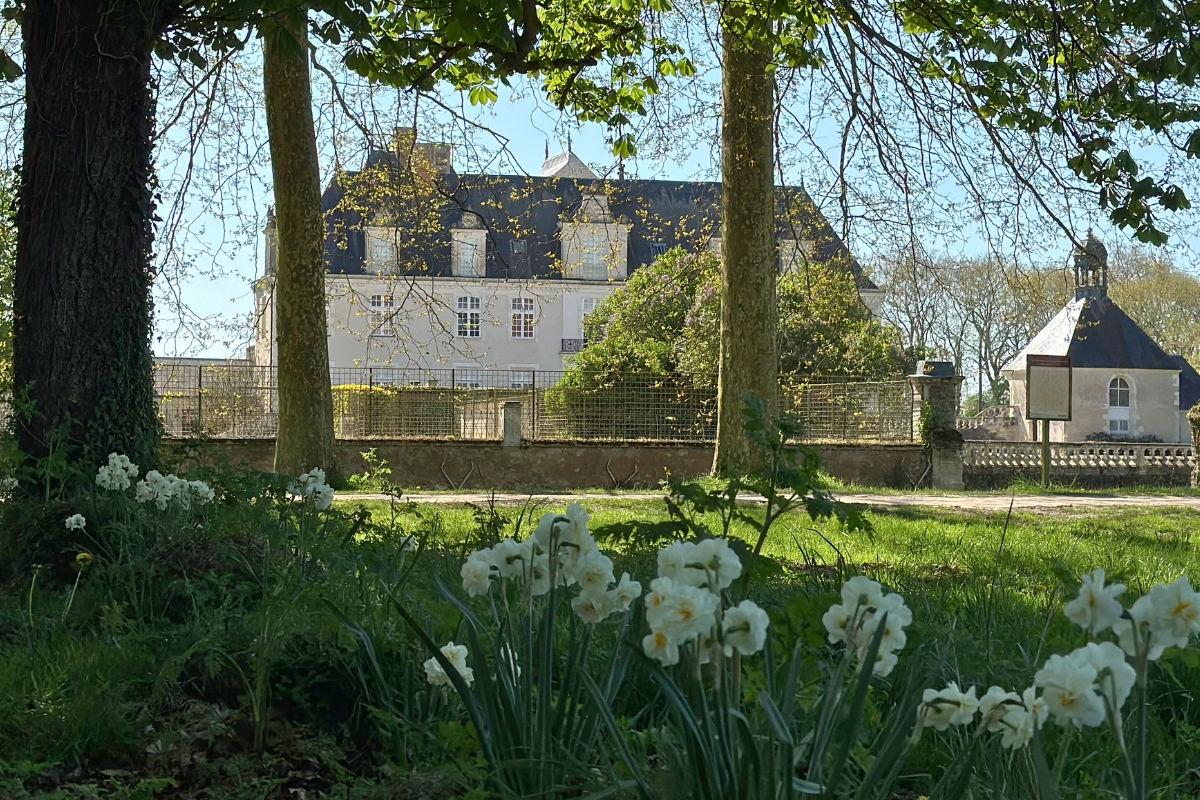
If you’ve spent hours entranced by the world of Downton Abbey, Château de Champchevrier offers a rare opportunity to step into a remarkably similar environment—only this one is authentic French nobility rather than television fiction. Here are experiences at Champchevrier that will resonate deeply with fans of the beloved series:
- The Family Dynasty: Just as the Crawleys faced the challenges of maintaining their ancestral home into the modern era, the Champchevrier family has preserved their heritage through revolution, world wars, and changing economic realities. Their continuous residence since 1728 parallels the Crawley family’s deep connection to Downton.
- The Hunting Tradition: Remember those shooting parties and hunting scenes at Downton? At Champchevrier, you’ll witness a genuine aristocratic hunting tradition that continues to this day. The ceremonial calling of the hounds with brass horns played by huntsmen in traditional red coats brings to life scenes reminiscent of the Downton hunting parties, but with centuries of authentic heritage behind them.
- Below Stairs, Above Stairs: Like Downton’s division between family and service areas, Champchevrier preserves the distinction between the grand state rooms and the working areas like the kitchen with its impressive collection of copper cookware. You can almost imagine Carson supervising the preparations for a grand dinner.
- The Great Hall: Champchevrier’s portrait gallery with its Italian marble floor evokes the grandeur of Downton’s great hall where the Crawleys received guests. The formal reception spaces maintain the same air of aristocratic elegance that made Downton Abbey so visually captivating.
- The Continuity of Service: Just as Downton featured staff who dedicated their lives to the estate, Champchevrier maintains traditions of service and stewardship that have continued across generations. The estate’s connection to its surrounding community echoes the interdependent relationship between Downton and its village.
- Adapting to Modern Times: The Champchevrier family’s decision to open their home to visitors while continuing to live there mirrors the Crawleys’ struggle to find sustainable ways to preserve their heritage while adapting to changing times—a central theme throughout Downton Abbey.
- Family Portraits and Heirlooms: The walls lined with portraits of ancestors, the carefully preserved heirlooms, and the sense of history in every room will remind visitors of the rich visual tapestry that made Downton Abbey such a feast for the eyes.
Unlike studio sets or properties dressed up for tourists, Champchevrier offers something far more precious: a genuine window into the aristocratic lifestyle that inspired Downton Abbey in the first place. Here, the traditions, challenges, and elegant lifestyle depicted in the show continue as living heritage rather than carefully crafted fiction.
Visiting Champchevrier Today
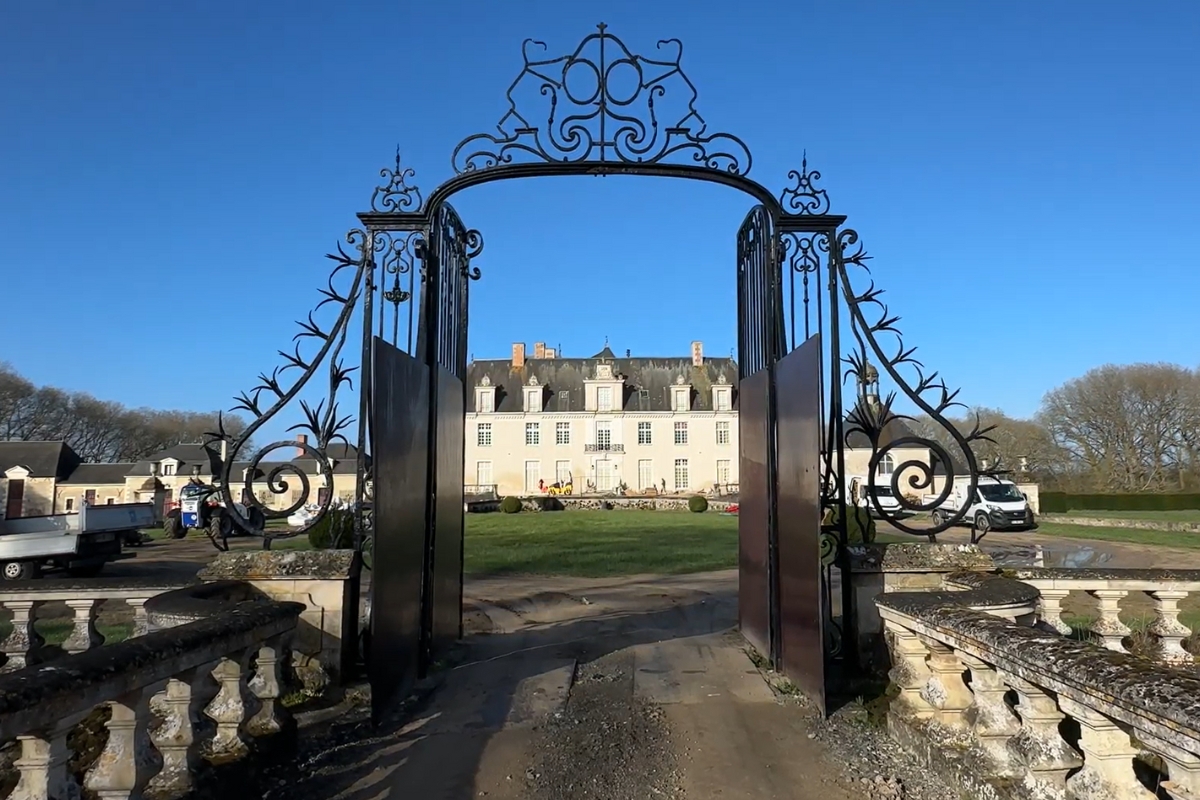
Visiting Chateau de Champchevrier is often described as experiencing something unexpectedly personal.
The château is typically open to visitors from June through September, though exact opening dates and times may vary. As a family home rather than a public institution, visiting hours are more limited than at larger attractions, making advance planning advisable. Tours of the interior are usually guided, providing context and stories that bring the property to life.
For many visitors, the highlight of their experience is the connection to a living family legacy. On certain occasions, particularly for group bookings, family representatives may assist with special events, though the 95-year-old Baron himself is not typically involved in greeting visitors.
Professional guides with intimate knowledge of the family history conduct most tours, offering insights that bring the château’s heritage to life while respecting the family’s privacy.
Special events at the château include family-friendly activities like themed tours where children can engage with history through quizzes and even dress up in period costumes.
The château offers a child-friendly comic book “QUIZZ” that’s included with entrance tickets, making it an ideal destination for families wanting to experience French heritage in an interactive way.
For those seeking a more exclusive experience, private group tours can sometimes be arranged in advance, potentially including special demonstrations of the hunting traditions with the château’s famous hounds.
The château’s official website offers the most up-to-date information on opening hours, ticket prices, and special events.
Visitors can purchase tickets online through the château’s ticketing system, which is particularly advisable during peak summer months when this hidden gem attracts more attention. Though less crowded than the Loire Valley’s most famous châteaux, planning ahead ensures the best experience.
Seasonal Experiences at Champchevrier

One of Champchevrier’s charms is how the estate transforms with the changing seasons, offering visitors distinctly different experiences throughout its open months.
Summer (June-August): The high season at Champchevrier showcases the château and its surroundings at their most vibrant. The forest canopy provides welcome shade for woodland walks, while the architecture is displayed to full advantage in the bright sunlight. Summer visitors benefit from the longest opening hours and the most frequent guided tours. The moat and surrounding waterways glisten beautifully, and the gardens display their full splendor. This is an ideal time for photography enthusiasts to capture the estate’s beauty and for families with children to take advantage of the dedicated activities.
Early Autumn (September): Perhaps the most atmospheric time to visit for those seeking to experience the château’s hunting heritage. As the forest begins its seasonal transformation and the air turns crisp, the estate takes on a romantic quality that evokes centuries of aristocratic autumn retreats. While formal hunts are not conducted during tourist visits, September offers glimpses of preparation for the upcoming hunting season, and the kennels are particularly active. The hunting trophies and artifacts within the château take on added significance when viewed against the backdrop of autumn’s approach.
Special Holiday Events: During certain years, the château may open for limited special events during holiday periods, such as Christmas celebrations that showcase how aristocratic Yuletide traditions were observed. These rare opportunities offer a glimpse into seasonal aspects of château life normally closed to the public. Check the official website for announcements about holiday openings, as these special events are particularly magical and often sell out quickly.
Regardless of when you visit, each season highlights different aspects of this living heritage site. Summer showcases the architectural splendor and gardens, while early autumn emphasizes the hunting traditions and woodland setting that have defined Champchevrier for centuries. The château’s calendar of events often includes special themed days that align with seasonal highlights, so consulting their official schedule before planning your visit is highly recommended.
Getting to Champchevrier: Directions and Transportation
Château de Champchevrier is located in Cléré-les-Pins, approximately 25 kilometers northwest of Tours in the Loire Valley. Its somewhat secluded setting contributes to its charm but does require some planning to reach.
By Car (Recommended):
- From Tours: Take the D938 northwest toward Langeais, then follow signs for Cléré-les-Pins and Champchevrier. The drive takes approximately 30-35 minutes.
- From Paris: Follow the A10 autoroute south toward Tours (approximately 2.5-3 hours). Exit at Tours Nord and follow signs for Langeais, then Cléré-les-Pins.
- From Angers: Take the A85 east toward Tours, exit at Langeais, and follow signs for Cléré-les-Pins. The journey takes approximately 1 hour.
- GPS Coordinates: Latitude: 47.4383, Longitude: 0.3844
By Public Transportation (Limited):
- Train: The nearest train station is in Tours, which has high-speed TGV connections from Paris (approximately 1 hour 15 minutes). From there, you’ll need to arrange additional transportation to the château.
- Taxi/Rideshare: Taxis are available from Tours to the château but should be arranged in advance. Expect to pay €50-70 each way.
- Tours: Some Loire Valley tour companies include Champchevrier in their itineraries, offering transportation and guided visits as part of a package.
Parking: Free parking is available at the château for visitors. The parking area is located near the entrance gate, a short walk from the main building.
Accessibility Notes: Due to the historic nature of the property and its preservation priorities, some areas may have limited accessibility for visitors with mobility challenges. The main floor of the château is generally accessible, but upper floors and certain outbuildings may involve stairs. The grounds include some gravel pathways that may be challenging for wheelchairs. Contact the château directly before your visit to discuss specific accessibility needs.
A View from the Top: Why This Château Stays With You

Our visit to Champchevrier ended not in a gift shop or on a gravel path, but with glasses of wine in hand, standing on the rooftop, looking out across the estate. The view stretched beyond the moat, across the woods where the hounds had run earlier that day, and out to the horizon where the forest softened into gold. In that moment, the scale of the place became clear. The physical size, yes, but also the weight of its history, its continuity, and its quiet resilience.
There was something almost surreal about it. Cinematic. It felt like the estate had opened a window into its rhythm and then let it close again gently behind us.
Champchevrier is not preserved in amber. It is maintained by people who care deeply, not just about appearances, but about keeping things intact for the next generation. There are no exaggerated stories or oversold legends. The truth of the place is more compelling than any embellishment.
For travelers used to guidebooks and headlines, Champchevrier may not be the first château that comes to mind, but it should be. It shows what heritage looks like when it is lived, not displayed. The silk on the walls came from the estate’s own trees. The music room still holds sound. The dining room is used for dinners, not demonstrations. This is not history imagined. It is history sustained.
The family has found a rare balance. They share without commodifying. They protect without isolating. And they welcome without pretense. That kind of hospitality stays with you.
For those who value depth over novelty, who want to understand how legacy feels rather than just how it looks, a visit to Champchevrier lingers. Not because of any one story or artifact, but because the whole experience is held together by care. From the hunting dogs to the woven silk, from the tapestries to the rooftop wine, the details are part of something larger. Something that continues.
Standing there at sunset, we didn’t feel like visitors at all. We felt like we had seen something rare, and left quietly changed by it.
Frequently Asked Questions
When is the best time to visit Château de Champchevrier?
The château is typically open to visitors from June through September, with the summer months offering the best weather for exploring both the château and its surrounding grounds. Special hunting demonstrations are more likely during the traditional hunting season in autumn.Lorem ipsum dolor sit amet, consectetur adipiscing elit. Ut elit tellus, luctus nec ullamcorper mattis, pulvinar dapibus leo.
Can visitors see the hunting dogs?
Yes, the pack of approximately 70 hunting dogs is one of Champchevrier’s highlights. Visitors can usually see the hounds in their kennels, and on special occasions may witness traditional ceremonies involving the dogs and huntsmen.
Is Champchevrier suitable for children?
While the château welcomes visitors of all ages, young children might find extended tours of the interior challenging. However, the hunting dogs and grounds often captivate younger visitors. Parents should note that hunting traditions are presented authentically, which may prompt questions from children about hunting practices.
How does Champchevrier compare to other Loire Valley châteaux?
Unlike larger, more famous châteaux such as Chambord or Chenonceau, Champchevrier offers a more intimate experience of aristocratic life. Its continued habitation by the same family for centuries provides authenticity often missing at properties that function primarily as museums.
Are photographs allowed inside the château?
Photography restrictions apply in certain areas of the interior, particularly in the family’s private quarters. These limitations help maintain the château’s character as a private residence rather than simply a tourist attraction.
Does the Baron's family really still live there?
Yes, the château has been continuously inhabited by the same family since 1728. The current Baron de Champchevrier and his family maintain residence there, dividing their time between private living quarters and areas opened to the public.


