


About Chateau de Cheverny
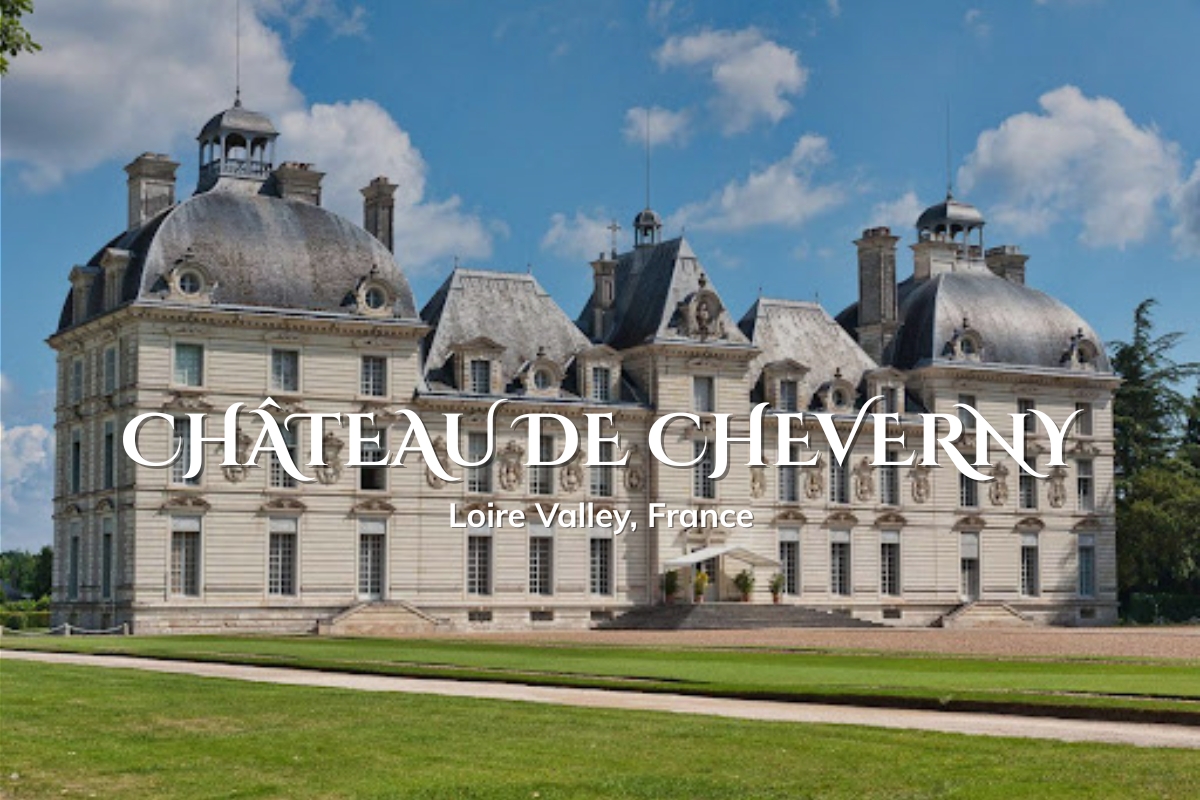
Château de Cheverny is an elegant, symmetrical white limestone castle situated in the Loire Valley of France. Built between 1604 and 1634, it was designed by architect Jacques Bougier for the Count of Cheverny, Henri Hurault. Unlike many other Loire Valley châteaux, Cheverny has remained in the same family for over six centuries and is still owned and occupied by the Marquis de Vibraye’s descendants, the Hurault family.
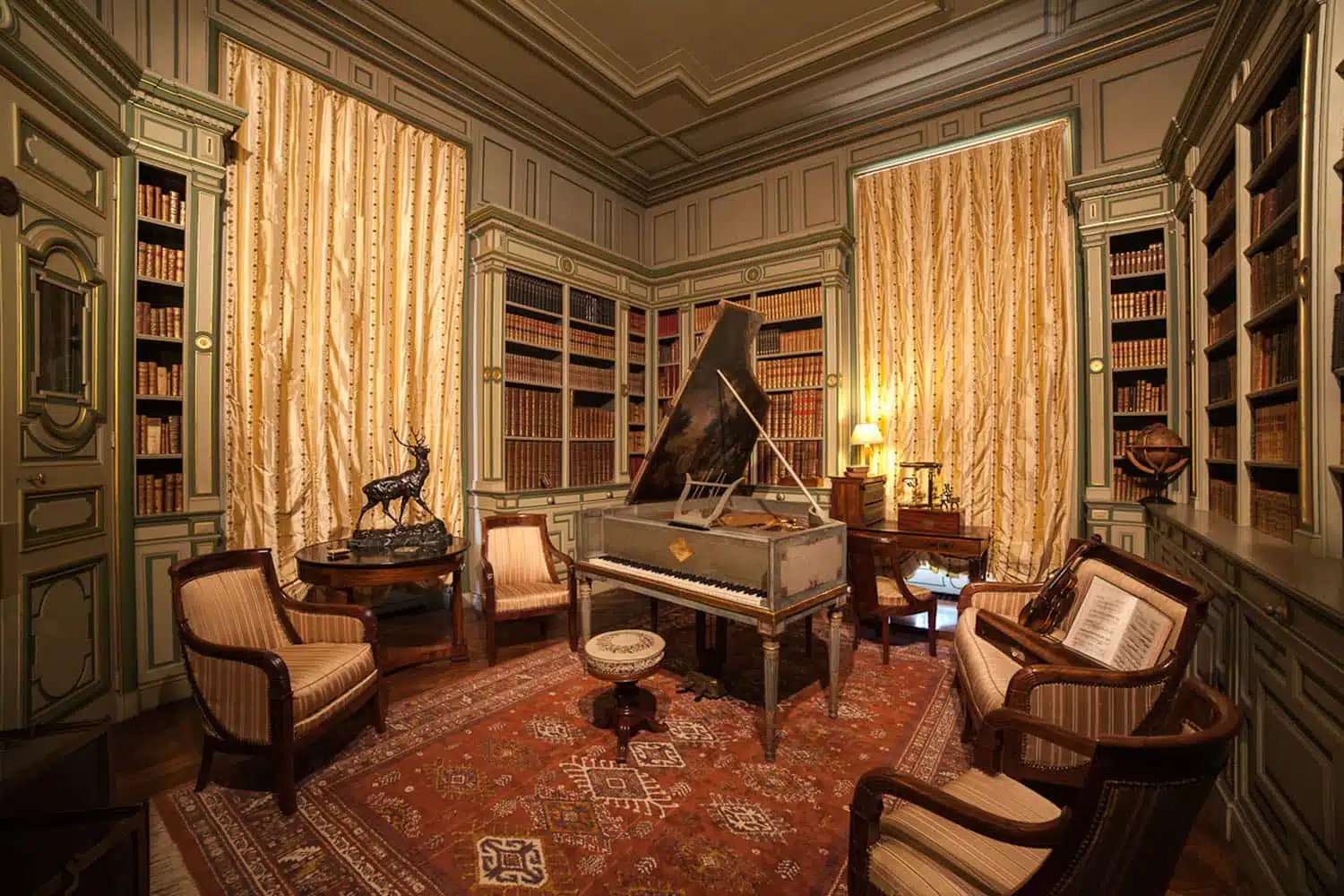
Cheverny is renowned for its exceptional state of preservation and sumptuous interior decoration. Its perfectly proportioned classical façade features grand apartments lavishly adorned with original 17th-century furniture, tapestries, and artworks. The Grand Salon and King’s Chamber are particularly impressive, displaying exquisite painted ceilings and wood paneling.
The château gained international fame as the inspiration for Marlinspike Hall (Moulinsart) in Hergé’s Tintin comic books. A permanent exhibition dedicated to Tintin is housed on the estate, delighting visitors of all ages. The surrounding parkland showcases beautiful formal gardens, an orangery, and a vegetable garden.
Another unique feature of Cheverny is its hunting tradition, maintained since the 17th century. The château houses about 100 hunting dogs (French Tricolore hounds) in the famous kennels, and visitors can witness the spectacular sight of the dogs being fed—a ritual that has remained unchanged for generations.
Did You Know?
- Cheverny inspired the fictional Marlinspike Hall (Moulinsart) in the Tintin comic book series.
- The château has been owned by the same family for over six centuries.
- Cheverny maintains a hunting tradition with about 100 hunting hounds that visitors can see during feeding time.
Location
Type: Chateau
Status: Public
Region: Loire Valley
Location: Château de Cheverny is located in the Loire Valley, approximately 15 kilometers southeast of Blois in the Loir-et-Cher department.
Castle Gallery



Historical Timeline
Hurault Family Acquisition
The Hurault family, who would become closely associated with the French monarchy, acquired the lands of what would later become the Château de Cheverny. This began the family's long association with the estate that continues to this day, spanning over six centuries.
First Fortified Château
The Hurault family constructed the first dwelling on the estate—a fortified château that served as the predecessor to the current building. This medieval structure was designed primarily for defense, unlike the elegant classical château that would later replace it.
Diane de Poitiers' Brief Ownership
Due to financial difficulties, the Hurault family was forced to sell the estate to Diane de Poitiers, the famous mistress of King Henri II of France. This marked a brief interruption in the Hurault family's ownership of the property.
Return to the Hurault Family
Following a legal error in the sale contract, or due to Diane de Poitiers' preference for Château de Chenonceau, the estate was returned to the Hurault family. This restored the family's connection to the property that would continue for generations to come.
The Countess's Tragic End
According to local legend, the Countess de Hurault was caught in the act of adultery by her husband. In a dramatic turn of events, he ordered her to take poison, ending her life. This tragic episode marks one of the darker chapters in the château's history.
Construction of the Current Château
After remarrying, the Count de Hurault gave his new wife, Marguerite Gaillard de la Morinière, permission to rebuild the château. The medieval fortress was razed to the ground, and construction began on the elegant classical château that stands today. The architect is believed to have been Jacques Bougier, who designed the building in the pure Louis XIII classical style with a rigid symmetry.
Completion of the Classical Masterpiece
The construction of the new château was completed, resulting in one of the finest examples of classical French architecture in the Loire Valley. Unlike many other châteaux of the period, Cheverny was built without defensive features such as tall turrets or difficult accessways, reflecting the more peaceful times and the focus on aesthetics rather than protection.
Period of Splendor
During this time, Château de Cheverny enjoyed a period of splendor under the Hurault family's stewardship. The interior was decorated with fine tapestries, paintings, and furniture, many of which can still be seen today. The château became known for its elegant interiors and beautiful surroundings.
French Revolution Period
Like many aristocratic properties in France, Château de Cheverny faced challenges during the turbulent period of the French Revolution. However, unlike many other châteaux that were looted or destroyed, Cheverny managed to survive this period relatively intact, preserving much of its historical character and contents.
Changing Ownership
Following the French Revolution, the château changed hands several times, temporarily leaving the Hurault family's possession. This period of changing ownership threatened the continuity of the château's history and the preservation of its heritage.
Return to Hurault Family
Marquis Anne-Victor Hurault de Vibraye reclaimed the ancestral property for the Hurault family, restoring the château to its original owners. This marked an important moment in preserving the family's connection to the estate and ensuring the continuation of its legacy.
World War I
During World War I, like many grand houses in France, Château de Cheverny likely served new purposes to support the war effort. The château and its owners would have faced the challenges and hardships that affected the entire nation during this difficult period.
Opening to the Public
In a pioneering move, the Marquis de Vibraye opened Château de Cheverny to the public, making it one of the first private homes in France to welcome visitors. This decision helped ensure the château's financial sustainability and allowed the public to appreciate its historical and architectural significance.
Inspiration for Hergé
Belgian cartoonist Hergé, creator of The Adventures of Tintin, used Château de Cheverny as the inspiration for Marlinspike Hall (Château de Moulinsart), the fictional home of Captain Haddock in his comic series. Hergé simplified the design by removing the two outer wings of the château for his drawings, creating an iconic literary location based on this real-life château.
Preservation and Restoration
Throughout the latter half of the 20th century, the owners of Château de Cheverny undertook significant preservation and restoration efforts to maintain the building and its grounds. These efforts helped ensure that the château would continue to be enjoyed by future generations of visitors.
UNESCO World Heritage Recognition
Château de Cheverny was included in the UNESCO World Heritage designation for the Loire Valley, recognizing its outstanding universal value as part of the cultural landscape between Sully-sur-Loire and Chalonnes. This prestigious recognition highlighted the château's importance to world cultural heritage.
Tintin Exhibition
The permanent exhibition "The Secrets of Moulinsart" opened at Château de Cheverny, celebrating the château's connection to Hergé's Tintin comics. This exhibition has become a popular attraction, drawing fans of the comic series from around the world to explore the real-life inspiration for Marlinspike Hall.
Living Heritage
Today, Château de Cheverny remains in the hands of the Hurault family, specifically the Marquis de Vibraye's descendants, Constance and Charles-Antoine de Vibraye. The château continues to be both a family home and a major tourist attraction in the Loire Valley, welcoming visitors to explore its elegant rooms, beautiful gardens, and famous kennels housing hunting hounds. The estate also includes vineyards producing Cheverny AOC wines, continuing the long tradition of viticulture in the region.