


Just 55 kilometers southeast of Paris lies a masterpiece that inspired even the Palace of Versailles – the magnificent Château de Vaux-le-Vicomte. This 17th-century château represents the pinnacle of French Baroque architecture and landscaping, yet remains surprisingly unknown to many visitors to France. Built between 1656 and 1661, this architectural marvel tells a fascinating tale of ambition, artistic brilliance, and royal jealousy. Today, it stands as one of France’s most perfectly preserved châteaux, offering visitors an authentic glimpse into the grandeur of the Grand Siècle. From its breathtaking gardens to its opulent interiors, Vaux-le-Vicomte continues to captivate visitors with its timeless beauty and dramatic history.
The Rise and Fall of Nicolas Fouquet
The story of Vaux-le-Vicomte is inextricably linked to its creator, Nicolas Fouquet, Louis XIV’s finance minister and one of 17th-century France’s most powerful figures. Fouquet’s vision was to create an estate that would exemplify the height of artistic achievement and luxury. He assembled the most talented artists of his time: architect Louis Le Vau, painter Charles Le Brun, and landscape architect André Le Nôtre.
However, Fouquet’s masterpiece would ultimately lead to his downfall. In August 1661, he hosted a magnificent celebration at the château, inviting the young King Louis XIV. The splendor of the estate and the grandeur of the festivities aroused the king’s jealousy and suspicion. Three weeks later, Fouquet was arrested on charges of embezzlement, marking one of history’s most dramatic falls from grace.
Architectural Brilliance
The Innovation of Louis Le Vau
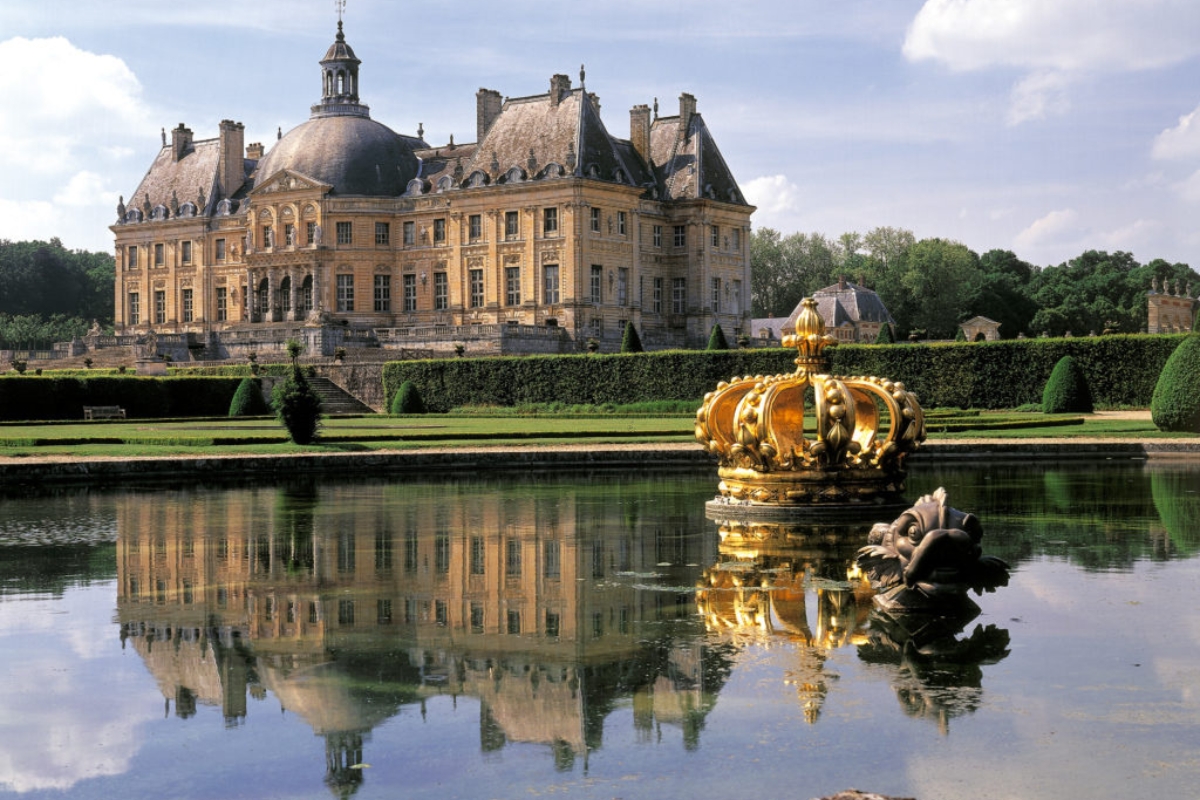
The château’s architecture represents a revolutionary departure from traditional castle design. Louis Le Vau introduced the concept of “château entre cour et jardin” (castle between courtyard and garden), creating a perfect harmony between indoor and outdoor spaces. The building’s proportions follow the golden ratio, resulting in an aesthetic balance that would influence French architecture for centuries to come.
Symmetry and Light
The château’s most striking feature is its perfect symmetry, enhanced by large windows that flood the interior with natural light. The central dome, an architectural innovation for its time, creates a dramatic silhouette and houses a grand salon that serves as the heart of the château.
The Gardens: Le Nôtre's First Masterpiece
Revolutionary Design
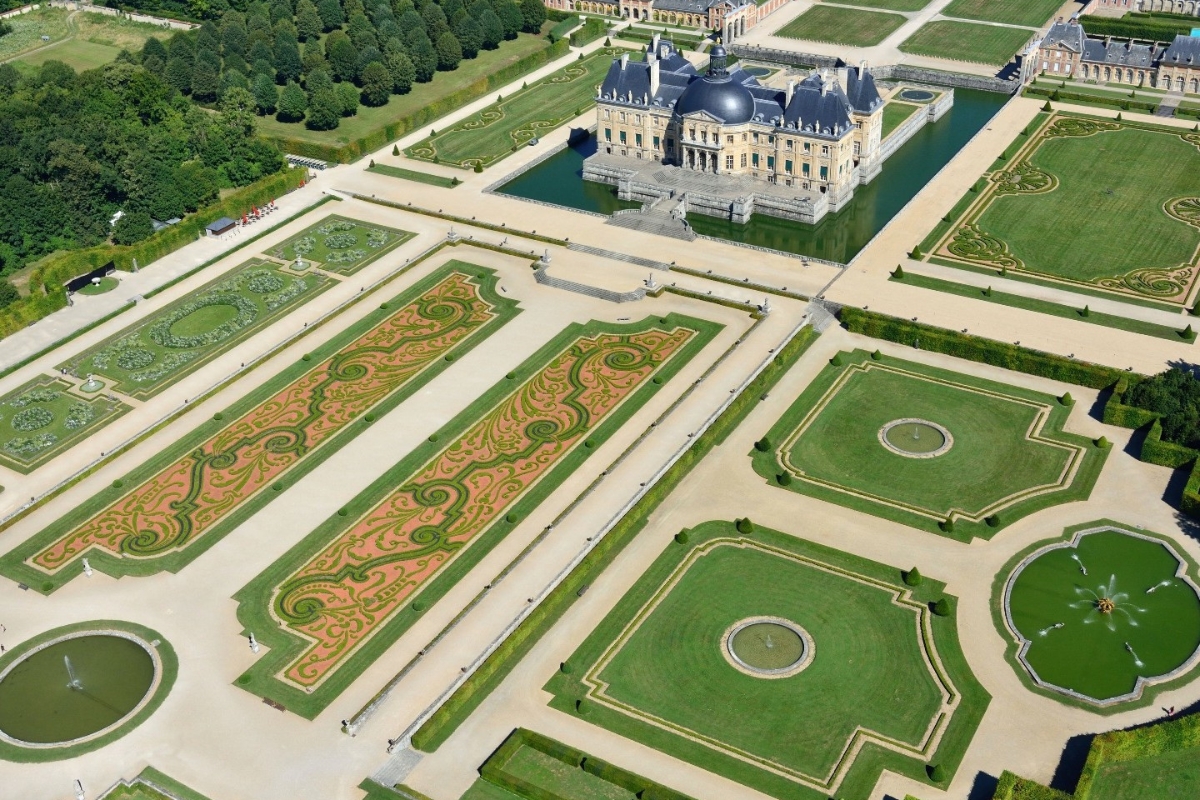
André Le Nôtre’s gardens at Vaux-le-Vicomte represent his first major commission and established principles that would define French formal gardens for generations. Stretching over three kilometers, the gardens employ sophisticated optical illusions and forced perspective to create an impression of infinite space.
Water Features and Parterres
The gardens showcase Le Nôtre’s mastery of hydraulics through numerous fountains, cascades, and a grand canal. Intricate parterres, meticulously maintained topiaries, and reflecting pools create a harmonious dialogue between architecture and nature, demonstrating the French ideal of controlling nature through artistic design.
Interior Splendor
Charles Le Brun’s Artistic Vision
The château’s interiors represent Charles Le Brun’s artistic genius at its finest. Each room tells a story through elaborate ceiling frescoes, rich tapestries, and carefully curated furnishings. The state apartments showcase the height of 17th-century French decorative arts, with themes drawn from classical mythology and allegory.
The Grand Salon
The château’s centerpiece, the Grand Salon, rises through two stories beneath the central dome. Its decoration exemplifies the French Baroque style, with trompe l’oeil paintings creating an illusion of infinite space and grandeur.
Visiting Experience
Modern-Day Preservation
Today, Vaux-le-Vicomte remains a privately owned château, managed by the de Vogüé family. Their dedication to preservation allows visitors to experience the estate much as it appeared in the 17th century. The château offers several unique visiting experiences:
- Candlelit Evenings (May-October)
- Grand Siècle Day celebrations in June
- Seasonal events and exhibitions
- Private tours and special access options
Practical Tips for Visitors
- Best time to visit: March to November
- Duration: Plan for at least 4-5 hours
- Transportation: Regular shuttles from Melun station
- Facilities: Restaurant, gift shop, and rental golf carts for garden tours
Frequently Asked Questions
How do I get to Vaux-le-Vicomte from Paris?
Take a train from Paris Gare de Lyon to Melun station (25 minutes), then catch the “Châteaubus” shuttle to the château. Alternatively, driving takes about an hour from central Paris.
When are the candlelit evenings?
Every Saturday from May to October, the château and gardens are illuminated by thousands of candles, creating a magical atmosphere.
Is the château suitable for children?
Yes, the château offers special activities for children, including costume rentals, treasure hunts, and interactive guides designed specifically for young visitors.
Can I take photographs inside the château?
Photography without flash is permitted throughout the château and gardens for personal use.
Cultural Impact and Legacy
Influence on European Architecture
Vaux-le-Vicomte’s influence extends far beyond France’s borders. The château’s innovative design inspired numerous European palaces and manor houses throughout the 17th and 18th centuries. Its perfect integration of architecture, interior decoration, and landscape architecture created a new standard for aristocratic residences across Europe.
The “château entre cour et jardin” concept pioneered at Vaux-le-Vicomte became the template for countless estates, from Germany’s Schleissheim Palace to England’s Blenheim Palace. The château’s influence can even be seen in early American architecture, particularly in the design of several prominent East Coast estates.
Film and Television Legacy
The château’s timeless beauty has made it a favorite location for filmmakers and television producers. Notable productions filmed at Vaux-le-Vicomte include:
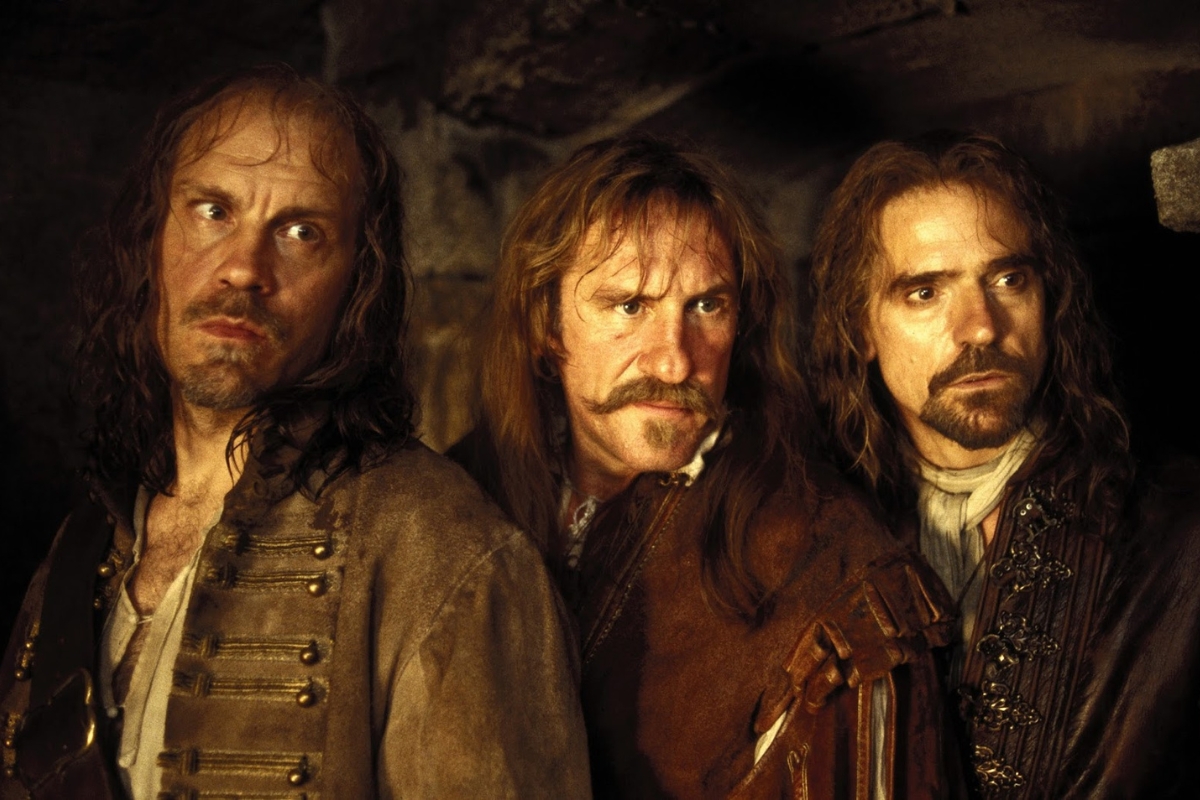
- “The Man in the Iron Mask” (1998)
- “Marie Antoinette” (2006)
- “Moonraker” (1979)
- Various episodes of “Versailles” TV series
These appearances have helped introduce the château to new generations and contributed to its preservation through filming revenues.
Final Thoughts
Château de Vaux-le-Vicomte stands as a testament to the artistic and architectural achievements of the French Baroque period. Its perfect preservation and continued private ownership make it a unique window into the grandeur of 17th-century France. Whether you’re an architecture enthusiast, history buff, or simply seeking an extraordinary day trip from Paris, Vaux-le-Vicomte offers an unforgettable experience that rivals – and in many ways surpasses – its more famous cousin, Versailles.
For those seeking to experience the height of French architectural and artistic achievement, Vaux-le-Vicomte is not merely a stop on your itinerary – it’s a destination in its own right. Plan your visit today and discover why this hidden gem continues to captivate visitors more than three centuries after its creation.


One of France’s finest chateaux!
Indeed!
Great information! Thank you.