

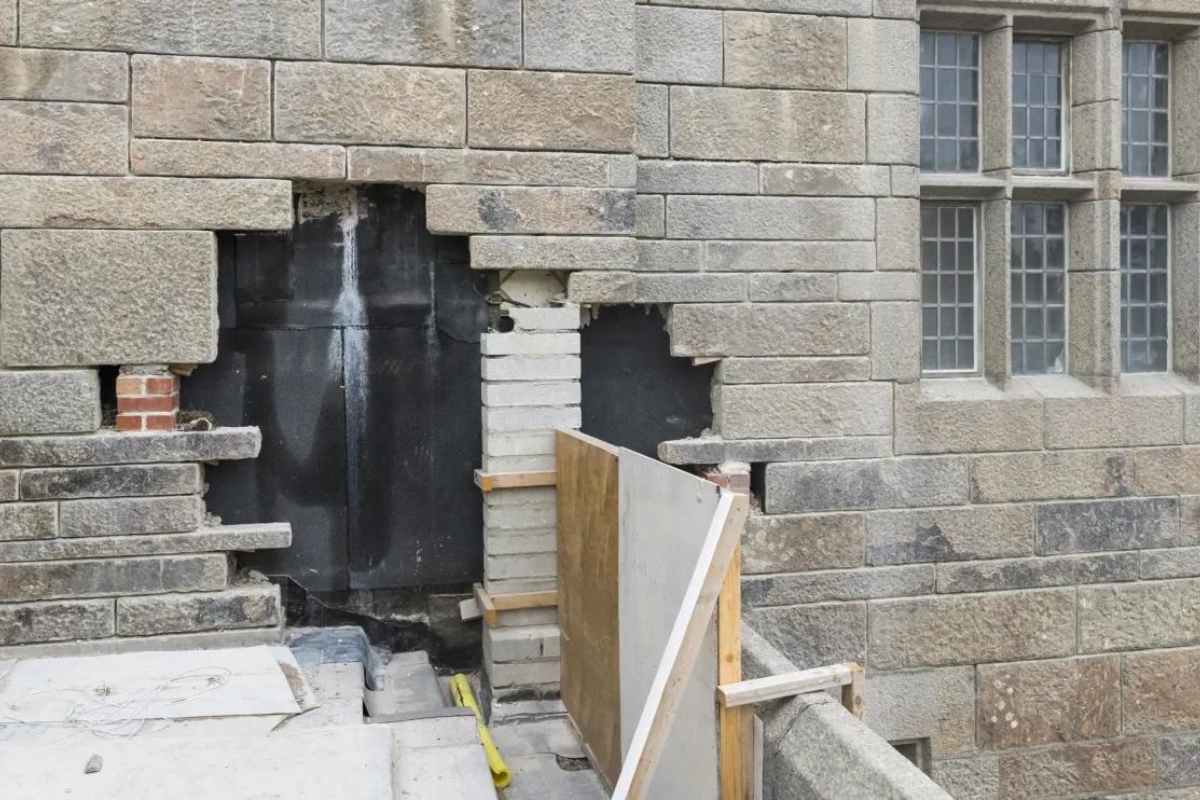
In the realm of architectural preservation, few challenges are as daunting—or as rewarding—as the restoration of centuries-old castles and chateaux. These majestic structures, standing as silent sentinels of history, demand a delicate balance between modern renovation techniques and the preservation of their timeless stonework. Join us as we delve into the intricate world of castle and chateau renovation, where every chiseled block tells a story, and every carefully preserved wall whispers tales of bygone eras.
The Cornerstone of Heritage: Why Stone Matters
Imagine running your hand along the cool, rough surface of a castle wall, feeling the very same textures that knights, kings, and commoners touched centuries ago. This tangible connection to history is why preserving original stonework is not just a construction challenge—it’s a cultural imperative in both castle and chateau renovation projects.
The importance of preserving original stonework extends far beyond mere aesthetics:
- Historical Integrity: Each stone is a page in the castle’s story, revealing construction techniques, local geology, and even the sociopolitical climate of its time. The way stones were cut, transported, and assembled can tell us about the technological capabilities of the era, the local resources available, and even the wealth and influence of the castle’s original owners.
- Architectural Authenticity: Original stonework maintains the castle’s genuine character, avoiding the pitfalls of modern imitations. The patina of age, the subtle irregularities in hand-carved stones, and the unique patterns of wear all contribute to the authentic atmosphere that makes these structures so captivating.
- Cultural Value: Preserved castles and chateaux serve as living museums, offering invaluable insights into our shared heritage. They provide a three-dimensional, immersive experience of history that no textbook can match. Visitors can walk the same halls as medieval lords, touch the same stones that withstood sieges, and gain a visceral understanding of life in bygone eras.
- Economic Impact: Authentically restored castles and chateaux often become major tourist attractions, boosting local economies. They create jobs, stimulate local businesses, and can even revitalize entire regions by drawing visitors from around the world.
Did You Know? The mortar used in medieval castles and chateaux was often stronger than the stones themselves, made from a mixture of lime, sand, and sometimes even animal blood for added strength!
The Stonemason’s Struggle: Challenges in Castle and Chateau Renovation
Restoring ancient stonework is no walk in the park. It’s a complex dance between preservation and practicality, with challenges that would make even the most seasoned architect scratch their head.
Key challenges in stonework preservation include:
- Time’s Relentless March: Centuries of weathering, wars, and neglect leave their mark on every stone. Wind and rain erode surfaces, freezing and thawing cycles cause cracks, and pollution can eat away at even the hardest stone.
- Lost Arts: Many traditional masonry techniques have faded into obscurity. Modern stonemasons must often become detectives, studying old texts, analyzing existing structures, and sometimes even relearning lost arts to faithfully restore these buildings.
- Material Mysteries: Matching the exact type and quality of original stones can be like finding a needle in a haystack. Quarries that supplied the original stone may be long exhausted or inaccessible.
- Budget Battles: High-quality restoration often comes with an equally high price tag. Balancing the need for authentic materials and techniques with financial realities is a constant challenge for restoration teams.
- Regulatory Mazes: Navigating preservation laws and building codes adds another layer of complexity to chateau renovation projects. Modern safety standards must be met without compromising the historical integrity of the structure.
Stonecraft Spotlight: The restoration of Château de Chambord in France involved creating a 3D digital model of the entire structure, allowing restorers to plan their work with millimeter precision!
Cracking the Code: Strategies for Successful Stone Preservation
Fear not, intrepid restorer! While the challenges are many, so too are the ingenious solutions developed by preservation experts around the world. Successful stone preservation strategies include:
- Thorough Assessment: Before lifting a single stone, a comprehensive survey of the structure’s condition must be conducted. This involves not only visual inspections but also advanced techniques such as ground-penetrating radar to detect hidden structural issues.
- Material Matchmaking: Sourcing stones that closely match the original in composition, color, and texture requires extensive research and often involves reopening historic quarries or finding modern equivalents. In some cases, artificial weathering techniques may be employed to help new stones blend seamlessly with the old.
- Traditional Techniques Meet Modern Conservation: Time-honored masonry methods are combined with cutting-edge materials and technologies to ensure both authenticity and longevity. For instance, traditional lime mortars might be enhanced with modern additives to improve durability without altering appearance.
- Expert Collaboration: Bringing together stonemasons, historians, archaeologists, and conservation specialists creates a synergy of knowledge and skills. Each expert brings a unique perspective, ensuring that every aspect of the restoration is considered and executed to the highest standard.
- Technological Toolkit: 3D scanning creates precise digital models of structures, allowing for detailed planning and even the creation of exact replicas of damaged elements. Ground-penetrating radar can reveal hidden structural issues, while spectrometric analysis helps identify the composition of original materials.
- Sustainable Solutions: Implementing eco-friendly practices ensures the castle’s longevity for future generations while minimizing environmental impact. This might involve using locally sourced materials, employing energy-efficient climate control systems, or incorporating renewable energy sources in a way that doesn’t detract from the structure’s historical character.
- Ongoing Maintenance: Developing a long-term maintenance plan is crucial for preventing future deterioration. Regular inspections, timely repairs, and careful monitoring of environmental conditions can help preserve the restored stonework for centuries to come.
Restoration Revelation: During the restoration of Edinburgh Castle, craftsmen discovered hidden chambers and passageways that had been sealed for centuries, adding new chapters to the castle’s already rich history!
From Ruin to Resplendence: Success Stories in Stone
Let’s take a whirlwind tour of some awe-inspiring castle restorations that showcase the power of preserving original stonework.
Bodiam Castle in England stands as a perfect example of moated castle restoration. Built in the 14th century, it fell into ruin before being carefully restored in the 20th century. The restoration team faced the challenge of preserving the castle’s romantic, semi-ruined appearance while ensuring its structural integrity. They achieved this by selectively repairing critical areas while leaving others in their weathered state, creating a harmonious blend of preservation and atmospheric decay.
Château de Pierrefonds in France represents a different approach to restoration. Brought back from ruin to its full Gothic glory by the famous architect Eugène Viollet-le-Duc in the 19th century, this restoration sparked debates about historical accuracy versus idealized reconstruction. Viollet-le-Duc’s work, while not strictly authentic to the original, created a stunning example of medieval architecture that continues to captivate visitors and influence restoration philosophy to this day.
The restoration of Krak des Chevaliers in Syria demonstrates the resilience of cultural heritage in the face of conflict. Despite being damaged during the Syrian Civil War, this Crusader castle has undergone careful restoration, preserving its remarkable military architectural features. The ongoing work showcases international cooperation in preserving world heritage sites and the power of cultural monuments to unite people even in challenging times.
Your Role in the Stone Saga
As we’ve seen, preserving the stonework of castles and chateaux is more than just a construction project—it’s a mission to safeguard our shared human heritage. But what can you, dear reader, do to support this noble cause?
Start by visiting these magnificent structures responsibly. Support castles and chateaux that prioritize authentic preservation over commercial exploitation. Learn about their history and the ongoing efforts to preserve them. Your entrance fees and purchases often directly contribute to maintenance and restoration funds.
Spread the word about the importance of stonework preservation in castle and chateau renovation. Share your experiences on social media, write reviews, or even start a blog about your castle-hopping adventures. The more people understand the value of these structures, the more support preservation efforts will receive.
Many restoration projects welcome public contributions, whether financial or in-kind. Some even offer opportunities for volunteers to participate in archaeological digs or restoration work. Check with local heritage organizations to see how you can get involved.
Lastly, never stop learning. Dive deeper into the fascinating world of castle and chateau architecture and preservation techniques. The more you understand about these incredible structures, the more you’ll appreciate the monumental efforts that go into preserving them.
By understanding and appreciating the intricate art of castle and chateau stonework preservation, we ensure that these magnificent structures continue to stand proud, not just as relics of the past, but as bridges to our future. After all, in the grand tapestry of human history, we are all castle keepers, charged with passing on these stone legacies to generations yet to come.
Will you answer the call to become a guardian of our stone-hewn heritage?
🏰Learn more about renovating historic properties and chateaux


