


Picture this: the year is 1547. The Château de Chambord stands resplendent against the Loire Valley’s rolling green landscape, its gleaming white façade reflecting the golden hues of a setting sun. The air is thick with the scent of freshly bloomed flowers from meticulously maintained gardens. Courtiers, dressed in the finest silks and velvets, roam the expansive grounds, engaged in animated conversations about the latest court intrigues and love affairs. Within the grand halls, echoes of laughter, the clinking of goblets, and the soft strains of a lute fill the air as a lavish banquet unfolds.
Fast forward to today, and the Château de Chambord remains an emblem of opulence and architectural genius, its allure captivating a new generation. This Renaissance masterpiece, immortalized in modern times through films, TV shows, and social media, continues to fascinate and inspire. As we rediscover its grandeur, we find that Chambord’s history is as rich and intricate as its architecture.
The Genesis of Grandeur: Chambord’s Early History
The Château de Chambord, one of the most recognizable châteaux in the world, owes its existence to the ambitions of King François I. A monarch known for his grandiose projects and a deep appreciation for the arts, François I sought to create a symbol of his power and the Renaissance spirit that was sweeping through Europe.
King François I ascended to the French throne in 1515 and quickly established himself as a patron of the arts and an enthusiastic supporter of the Renaissance. His reign marked a cultural rebirth in France, characterized by an influx of artistic and intellectual influences from Italy. François I’s admiration for the Italian Renaissance is evident in many of his endeavors, most notably in the construction of the Château de Chambord.
François I envisioned Chambord not merely as a hunting lodge, which was its intended function, but as a grand statement of his reign and a reflection of Renaissance ideals. The château was to be a place where he could entertain foreign dignitaries and showcase the wealth and sophistication of his court.
The Construction Begins
Construction of the Château de Chambord began in 1519, the same year that Leonardo da Vinci died. The project was supervised by the Italian architect Domenico da Cortona, known as “Boccador,” who was brought to France by François I to lend his expertise to the king’s ambitious architectural projects. While da Cortona is credited with much of the design, some historians speculate that Leonardo da Vinci, who spent the last years of his life at the court of François I, may have had a hand in the château’s design. The influence of da Vinci is most evident in the château’s famous double-helix staircase.
The Double-Helix Staircase: A Marvel of Engineering
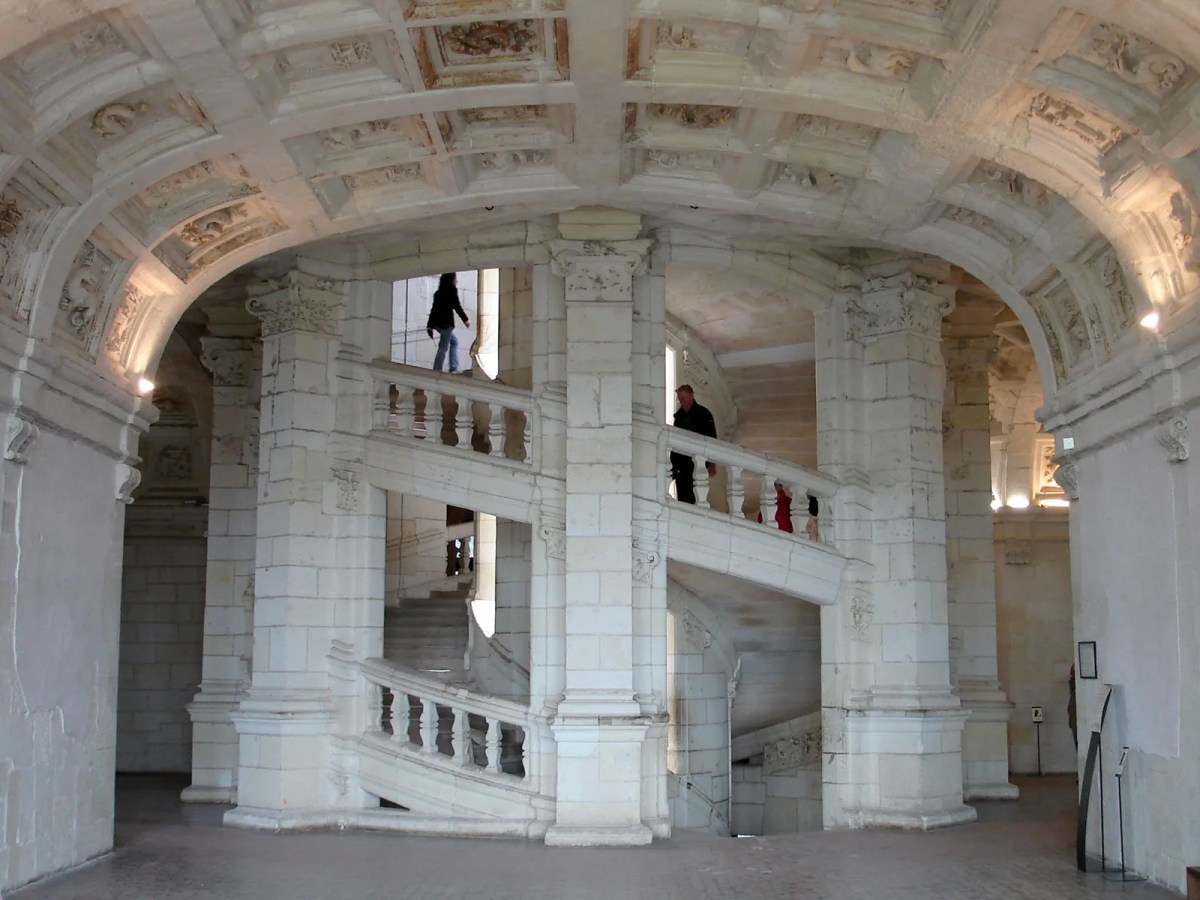
One of the most remarkable features of Château de Chambord is its unique double-helix staircase. This architectural marvel, located at the center of the château, consists of two spirals that wind around each other without ever meeting. This ingenious design allows two people to ascend and descend the staircase simultaneously without crossing paths. The staircase is a testament to the innovative spirit of the Renaissance and the genius of its potential designer, Leonardo da Vinci.
The double-helix staircase is not just a functional element but also a symbol of the château’s grandeur and the king’s ambition. It rises through three floors, leading to a large lantern tower that offers panoramic views of the surrounding countryside. The staircase and the lantern tower together create a sense of verticality and lightness, enhancing the château’s majestic appearance.
A Hunting Lodge Fit for a King
Despite its intended purpose as a hunting retreat, the Château de Chambord was rarely used. King François I spent only 72 days at the château throughout his reign, and it was more often left empty or used for brief stays during hunting expeditions. Nevertheless, the château’s architectural splendor was undeniable.
The construction of Chambord was a massive undertaking. It required the labor of thousands of workers and the transport of materials from distant quarries. The site chosen for the château was a marshy area near the Cosson River, which had to be drained and prepared for construction. This challenging location, however, offered the advantage of isolation, providing the king with a private and secure retreat.
Architectural Splendor and Symbolism
Château de Chambord’s architecture is a harmonious blend of medieval defensive elements and Renaissance aesthetics. The château’s central keep, or donjon, is flanked by four grand towers, each providing a strategic vantage point over the expansive grounds. The keep itself is surrounded by a large rectangular wall, reminiscent of medieval fortresses, but the decorative elements and overall design are distinctly Renaissance.

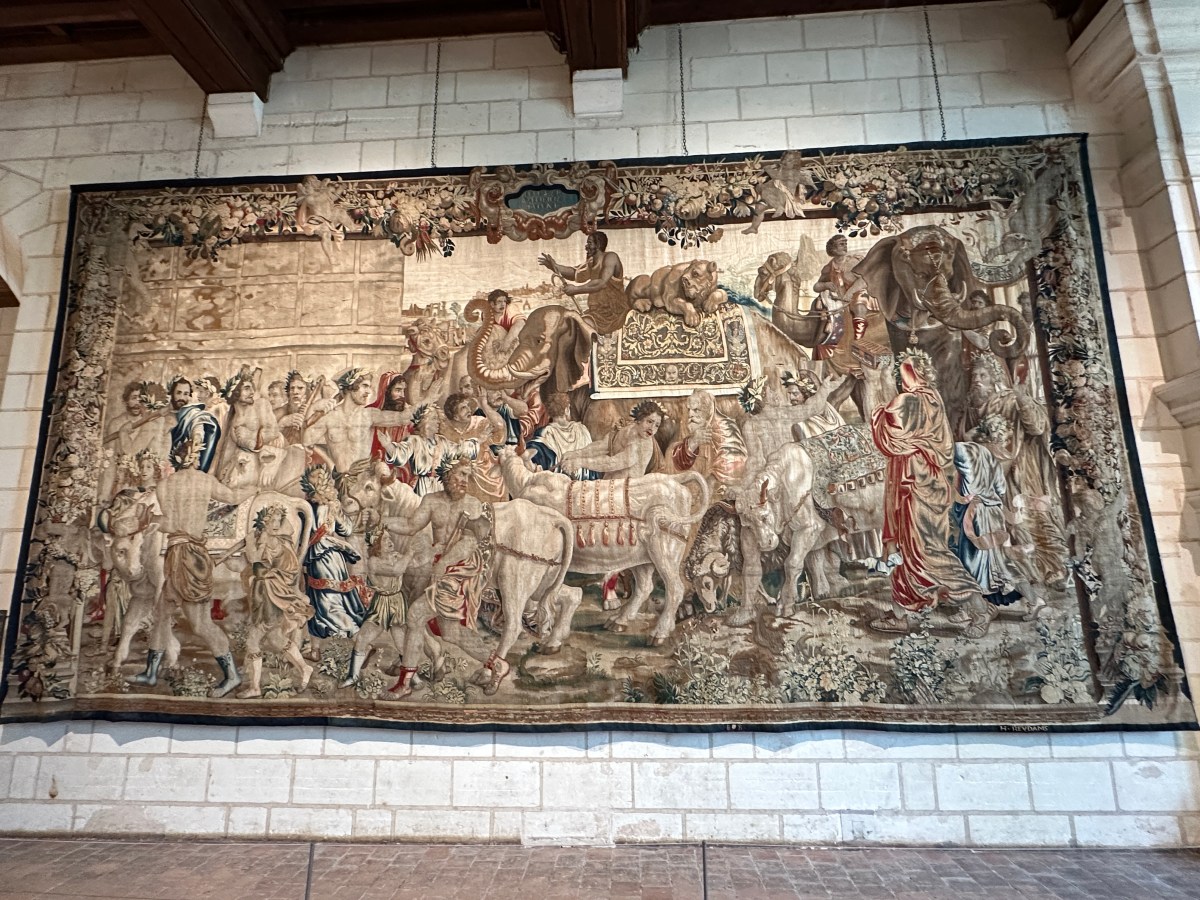
The château features an astonishing 440 rooms, 282 fireplaces, and 84 staircases. The interior spaces are characterized by their grand proportions, high ceilings, and elaborate stone carvings. Many of the rooms are interconnected, allowing for a fluid movement through the château. The extensive use of windows and the intricate roofline with its myriad of chimneys and gables create a striking silhouette against the sky.
While François I did not live to see the completion of Château de Chambord, his legacy is inextricably linked to this architectural masterpiece. The château stands as the physical manifestation of vision and the cultural renaissance that he championed. It embodies the ideals of beauty, symmetry, and innovation that defined the Renaissance and continues to inspire awe and admiration.
Château de Chambord, with its blend of defensive medieval architecture and the decorative flourishes of the Renaissance, serves as a bridge between two eras. It represents the aspirations of a king who sought to leave a lasting mark on his country and the world.
Royal Tales and Transformations
As the centuries rolled on, Château de Chambord became a silent witness to the ebb and flow of French history. Each era left its mark on this architectural marvel, with notable figures and significant events shaping its story.
The Sun King’s Touch

During the reign of Louis XIV, known as the Sun King, Chambord experienced a revival of royal interest. Louis XIV, who reigned from 1643 to 1715, was famous for his grandiose lifestyle and his transformation of Versailles into the epicenter of French political power and culture. Although Versailles was his primary residence, Louis XIV recognized the potential of Chambord as a symbol of royal prestige and as a grand hunting lodge.
Under Louis XIV’s orders, significant enhancements were made to Chambord. The Sun King expanded the château, completing the construction of the stables to accommodate his entourage and their horses during hunting expeditions. He also added the splendid north wing and improved the interiors to make the château more comfortable for extended stays.
One of the most significant additions during Louis XIV’s reign was the creation of formal French gardens, designed to mirror the opulence and symmetry seen at Versailles. These gardens, with their meticulously arranged flowerbeds, fountains, and pathways, provided a stunning setting for royal gatherings and leisurely strolls. The addition of the gardens helped transform Chambord from a mere hunting lodge into a sophisticated royal residence.
A Hub of Courtly Activities
Louis XIV’s visits infused the château with life, transforming it into a hub of courtly activities and royal escapades. The Sun King hosted elaborate hunting parties, known as “Grand Hunts,” which were major social events attended by the nobility. These hunts showcased the king’s power and wealth and served as a means to strengthen his influence over the aristocracy.
The grand salons and reception rooms of Chambord echoed with music, laughter, and the clinking of glasses as the court indulged in lavish banquets and festivities. The king’s presence attracted artists, musicians, and writers, making Chambord a cultural hotspot. Among the notable visitors was the famous playwright Molière, who performed his plays for the court, further enhancing the château’s reputation as a center of culture and refinement.
A Refuge During Turbulent Times
Château de Chambord’s fate took many turns over the centuries, reflecting the tumultuous history of France. During the French Revolution, the château, like many other symbols of the monarchy, faced potential destruction. However, it was spared, and its vast grounds were used for various purposes, including housing military troops.
One of the most intriguing chapters in Chambord’s history occurred during World War II. As the war raged across Europe, the château served as a temporary refuge for the art treasures of the Louvre Museum. Masterpieces, including the Mona Lisa and the Venus de Milo, were transported to Chambord for safekeeping. The château’s remote location and fortified structure made it an ideal sanctuary for these priceless works of art, safeguarding them from the ravages of war and Nazi looting. This anecdote adds a layer of intrigue to Chambord’s story, showcasing its resilience and historical significance.
Post-War Restoration and Modern Era
After the war, Chambord underwent extensive restoration efforts to repair the damages inflicted by time and conflict. The French government, recognizing the château’s cultural and historical value, invested in its preservation. These efforts ensured that Chambord remained a symbol of French heritage and a testament to Renaissance architecture.
In the modern era, Château de Chambord has become a major tourist attraction, drawing visitors from around the world. It hosts various cultural events, exhibitions, and reenactments that bring its history to life. The château’s grounds have also been used for contemporary art installations, blending the old with the new and continuing its legacy as a center of artistic expression.
From Past to Present: Chambord in Modern Times

Today, the Château de Chambord continues to enchant visitors from around the world. Its storied past, combined with modern restorations, ensures that its legacy endures. The château’s gardens, meticulously restored to their 18th-century glory, invite leisurely strolls and picnics, offering a glimpse into the leisurely pursuits of yesteryears.
Traveling to Chambord is a delightful journey. Located just two hours from Paris by train or car, it’s easily accessible for a day trip or a longer stay in the picturesque Loire Valley. Visitors can explore the château at their own pace, guided by informative tours and interactive exhibits that bring its history to life.
Final Thoughts: Chambord is a Living Monument You Must See
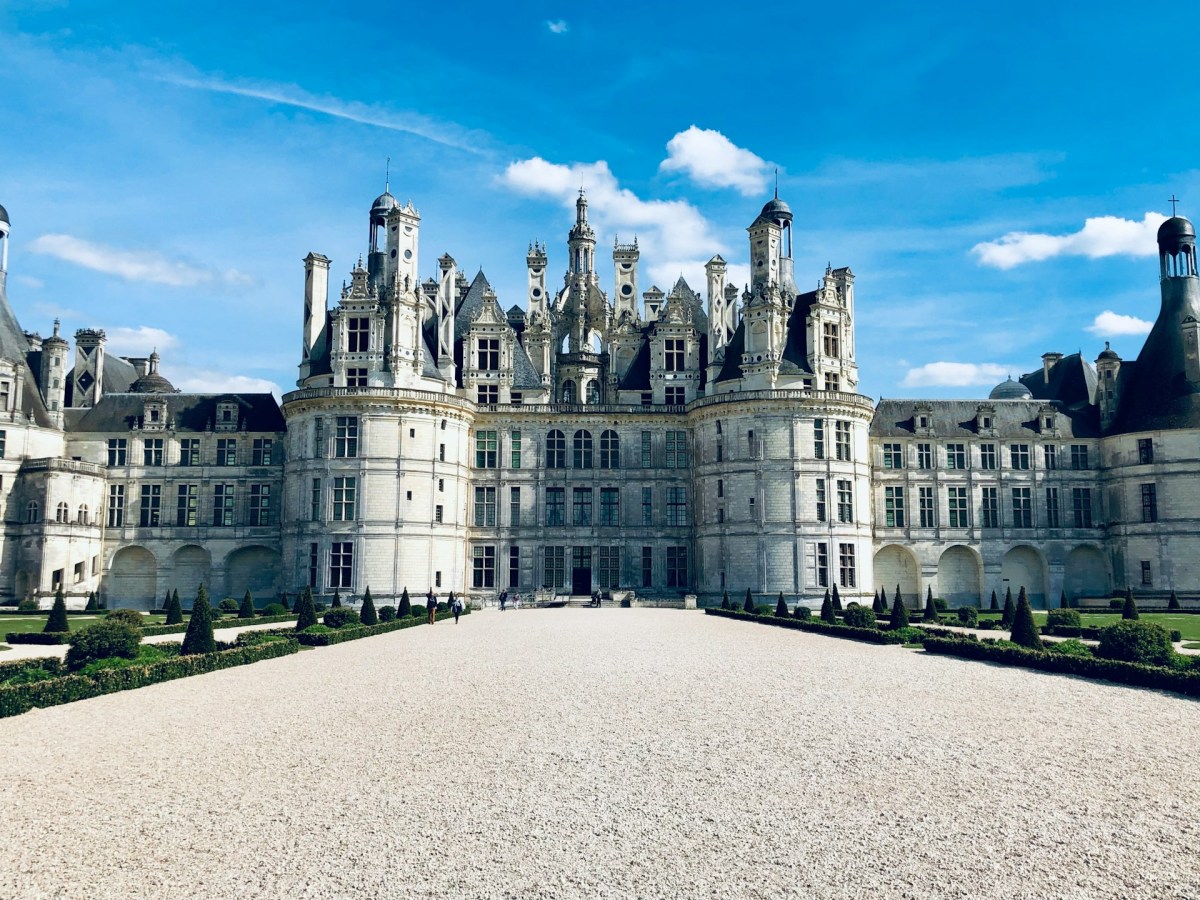
Château de Chambord’s architectural brilliance, intertwined with centuries of history, makes it a captivating destination for architecture buffs, history lovers, and castle enthusiasts. And if you’re already in the Loire Valley, it’s definitely a chateau to tick off your bucket list.
As you wander through its halls and gardens, you’ll feel the echoes of the past and the pulse of the present, seamlessly intertwined. To delve deeper into the stories of Chambord and other medieval marvels, subscribe to our newsletter and tune in to the Saving History Podcast where we explore the rich tapestry of our shared heritage. Join us on this journey through time and let the magic of Château de Chambord inspire your next adventure.


