


Scotland, a land steeped in mystery and history, is home to a remarkable collection of castles that tell tales of yore. Each fortress stands as a living record of the country’s tumultuous past, showing the spirit of the clans and the tales of battles fought. From towering ramparts to lush gardens, these structures invite us to take a fascinating journey through time.
For travelers seeking an immersive historical experience, a Scottish castle tour offers the perfect blend of education, adventure, and breathtaking scenery. Whether you’re a history enthusiast, architecture lover, or simply looking for a unique travel experience, Scotland’s castles provide an enchanting backdrop for exploration.
In this comprehensive guide, we’ll traverse the landscapes of Scotland, showcasing iconic castles and hidden gems alike. We’ll delve into the architectural styles that define them, provide practical tips for planning your visit, and highlight family-friendly activities that make castle tours enjoyable for visitors of all ages. And for those seeking even more detailed guidance, we’ll introduce you to our Ultimate Castle Travel Guide for the United Kingdom — a mobile-based digital companion that offers in-depth Scottish castle itineraries for the serious explorer.
The Significance of Scottish Castles
The significance of Scottish castles extends beyond mere architecture; they are symbols of heritage and resilience shaped by various historical periods. Each castle uniquely reflects the architectural styles of its time, ranging from the fortifications of the medieval era to the intricate details of Renaissance designs. This rich history makes exploring these storied sites a captivating adventure.
For those planning an extended visit, our comprehensive guide to The Best Scotland Castle 7-Day Tour Guide offers a perfect itinerary to experience Scotland’s most magnificent structures.
Cultural Icons of Scotland
Castles like Castle Fraser and Crathes Castle stand as cultural icons in Scotland, showcasing the country’s rich architectural heritage and historical significance. Scottish castles have distinctive designs, often featuring baronial tower houses and fairytale-like façades that highlight the artistic influences of different historical periods.
Many castles, including Crathes Castle, have myths and legends associated with them, such as tales of hauntings by the famous Green Lady. These stories add to the allure of these castles as tourist attractions and provide a deeper connection to Scotland’s folkloric traditions.
The gardens surrounding these castles, such as the 18th-century walled garden at Castle Fraser, reflect the aesthetic values and gardening practices of their respective eras. These gardens enhance the visitor experience and offer a glimpse into the daily lives of the castle’s former inhabitants.
Scottish castles are also part of various tourism initiatives, like themed tours, which emphasize their importance in attracting visitors and promoting national heritage. By participating in a castle tour, you’re not just visiting historical sites but also contributing to the preservation of Scotland’s cultural legacy.
History of Scottish Castles
Scottish castles play a vital role in telling the story of Scotland’s medieval past and royal history. These historic structures offer a glimpse into the country’s rich cultural heritage that spans centuries of conflict, innovation, and cultural development.
Visitors to Scotland can explore these castles and become part of the significant historical narratives they hold. Many castles are situated near ancient battlefields, reflecting a past filled with conflicts and wars, including battles between Jacobites and Government troops.
Castle construction techniques evolved significantly over time. While early Norman influence following William the Conqueror’s 1066 invasion of England introduced the motte-and-bailey style, Scotland’s castle architecture developed its own distinctive character over the centuries.
As feudalism declined in the 13th century, castles shifted from being primarily defensive strongholds to more comfortable residential structures. This transition reflected broader changes in societal structures and needs, resulting in the impressive variety of castle styles we can visit today.
Major Historical Periods Influencing Castle Architecture
Understanding the historical context of castle development helps visitors appreciate the architectural elements they’ll encounter during a castle tour.
Medieval Period (11th-15th centuries)
The medieval period saw the construction of robust defensive structures. Early Scottish castles were built with defense as the primary concern, featuring thick walls, minimal windows, and strategic positioning on high ground or near bodies of water.
Renaissance Period (15th-17th centuries)
As warfare techniques evolved and society became more stable, castle design began to incorporate more decorative elements. Renaissance influences brought symmetry, decorative stonework, and larger windows to castle architecture.
Baronial Style (16th-17th centuries)
The Scottish Baronial style emerged as a distinctive architectural approach, characterized by turrets, crow-stepped gables, and a more vertical emphasis. Many of Scotland’s most recognizable castles feature elements of this style.
Victorian Revival (19th century)
The Victorian era saw a renewed interest in medieval and baronial architecture, leading to both the restoration of ancient castles and the construction of new buildings in the “Scottish Baronial Revival” style, often incorporating romantic and picturesque elements.
Iconic Scottish Castles
Scottish castles are renowned for their picturesque locations and historic significance. A well-planned castle tour should include visits to some of these iconic structures that have come to define Scotland’s architectural and cultural landscape.
Edinburgh Castle
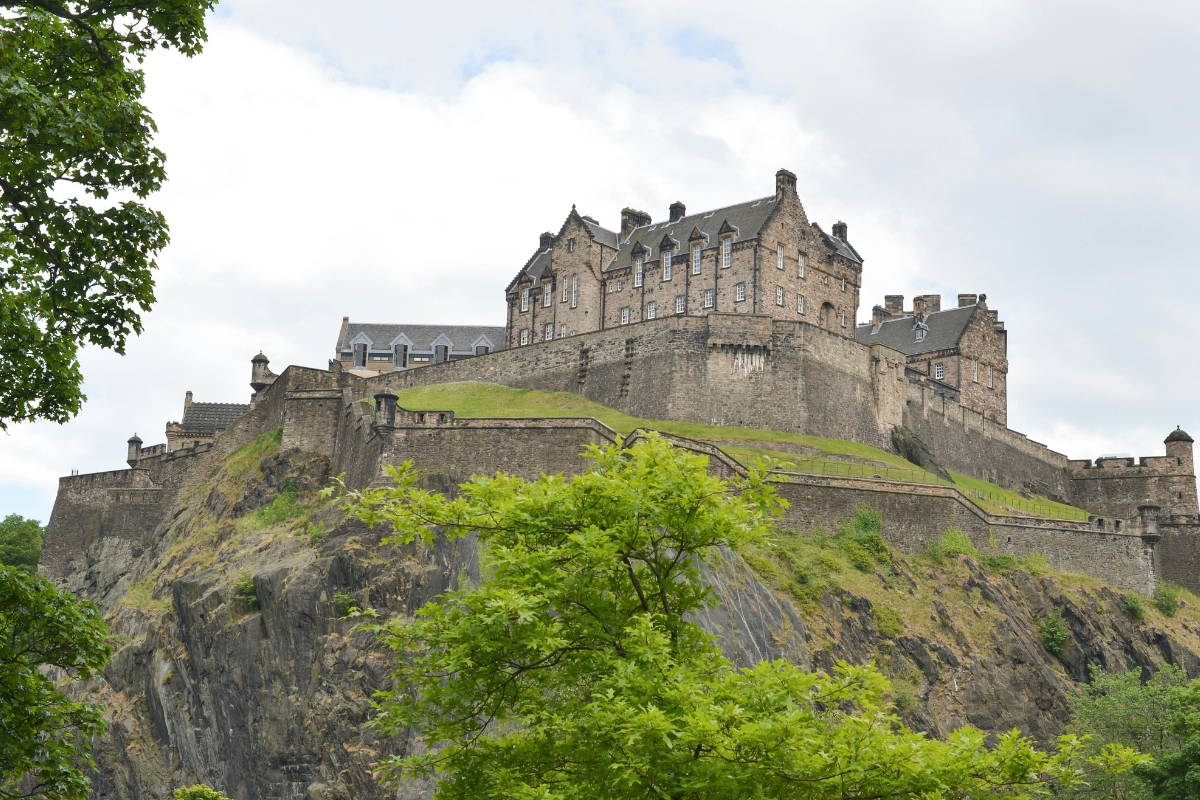
Edinburgh Castle stands proud in Edinburgh City Centre, easily reached by bus, tram, and train. This iconic site offers various tour options, including guided tours, self-guided itineraries, and audio guides in multiple languages.
Highlights at the castle include:
- The Royal Palace, which houses the Scottish Crown Jewels
- The Honours of Scotland (Scottish Crown Jewels)
- Mons Meg, a massive 15th-century siege cannon
- The Scottish National War Memorial
- St. Margaret’s Chapel, the oldest building in Edinburgh
Edinburgh Castle’s strategic position atop Castle Rock offers stunning views of the city and beyond. The castle has played a crucial role in Scottish history, serving as both a royal residence and a military stronghold. Today, it hosts the spectacular Edinburgh Military Tattoo during the annual Edinburgh Festival.
For a deeper exploration of this magnificent fortress, read our detailed guide: Exploring Edinburgh Castle: A Journey Through Scotland’s Storied Past.
For visitors looking to make their experience even more special, Edinburgh Castle serves as a stunning venue for corporate events, weddings, and private dinners. Guests can also enjoy a relaxing afternoon tea, complete with site admission, for a serene experience combining history and hospitality.
“We visited five castles in three days using the Ultimate Castle & Chateau Travel Guide. The exclusive entry times recommended helped us avoid the crowds completely. Worth every penny!” — James M., London
Stirling Castle
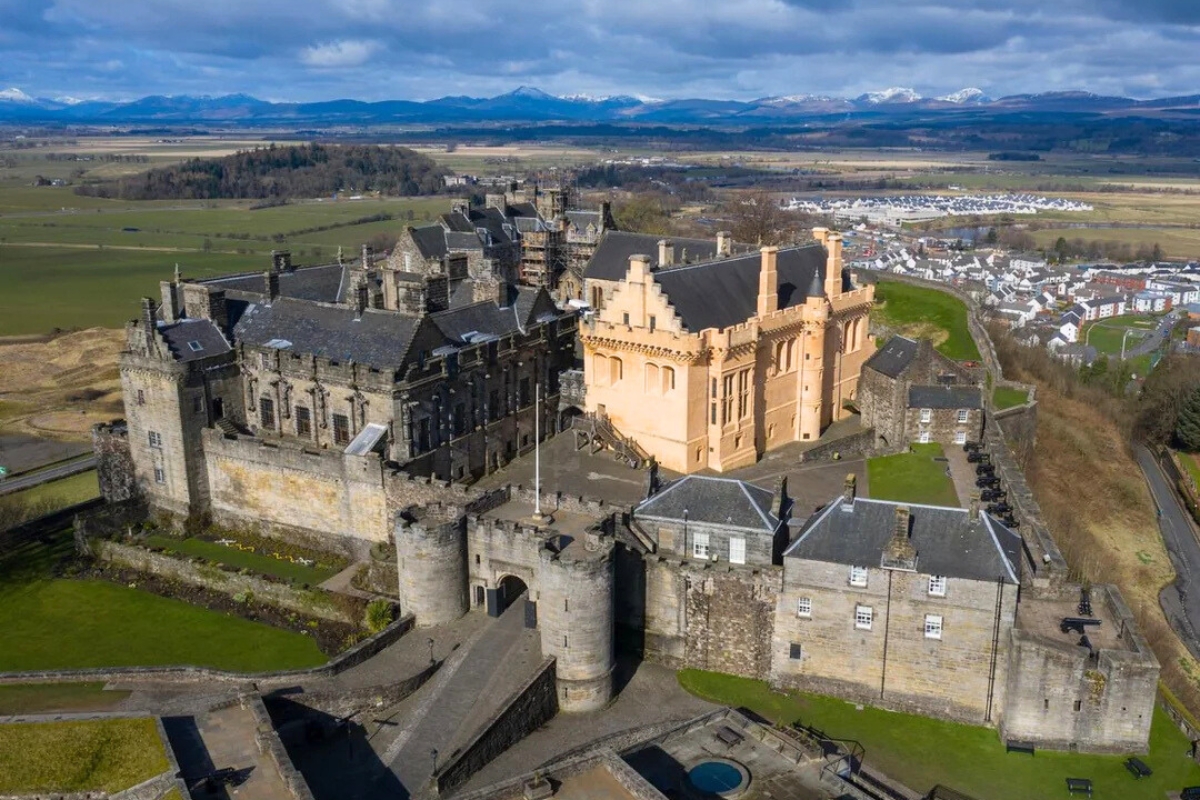
Stirling Castle holds a rich history, having been home to Mary, Queen of Scots, and several Scottish kings including James V and James VI. Its strategic position atop a volcanic crag made it a key military stronghold throughout Scotland’s turbulent history.
Its grandeur captivates visitors, with architectural highlights including:
- The Great Hall, the largest medieval banqueting hall ever built in Scotland
- The Royal Palace, a masterpiece of Renaissance architecture
- The Chapel Royal, built for the baptism of Prince Henry
- The stunning Stirling Heads ceiling replicas
- Extensive gardens and outdoor spaces
Stirling Castle’s location near Loch Lomond adds scenic beauty to historical significance, making it a cornerstone of Scottish castle tours. Various day trips from Edinburgh and Glasgow include Stirling Castle, highlighting its role in Scotland’s past.
Visitors can dive deep into its history through excellent exhibitions and costumed interpreters who bring the castle’s past to life, exploring events that shaped the nation including the Wars of Independence and the Jacobite risings.
Hidden Gems: Lesser-Known Castles
While iconic castles like Edinburgh and Stirling attract the majority of visitors, exploring lesser-known castles can lead to unforgettable discoveries away from the crowds. These hidden gems offer unique insights into Scotland’s rich heritage and often provide a more intimate exploration experience.
For a comprehensive overview of Scotland’s most impressive castles, both famous and less-known, check out our guide to the 10 Best Castles In Scotland.
Dunrobin Castle
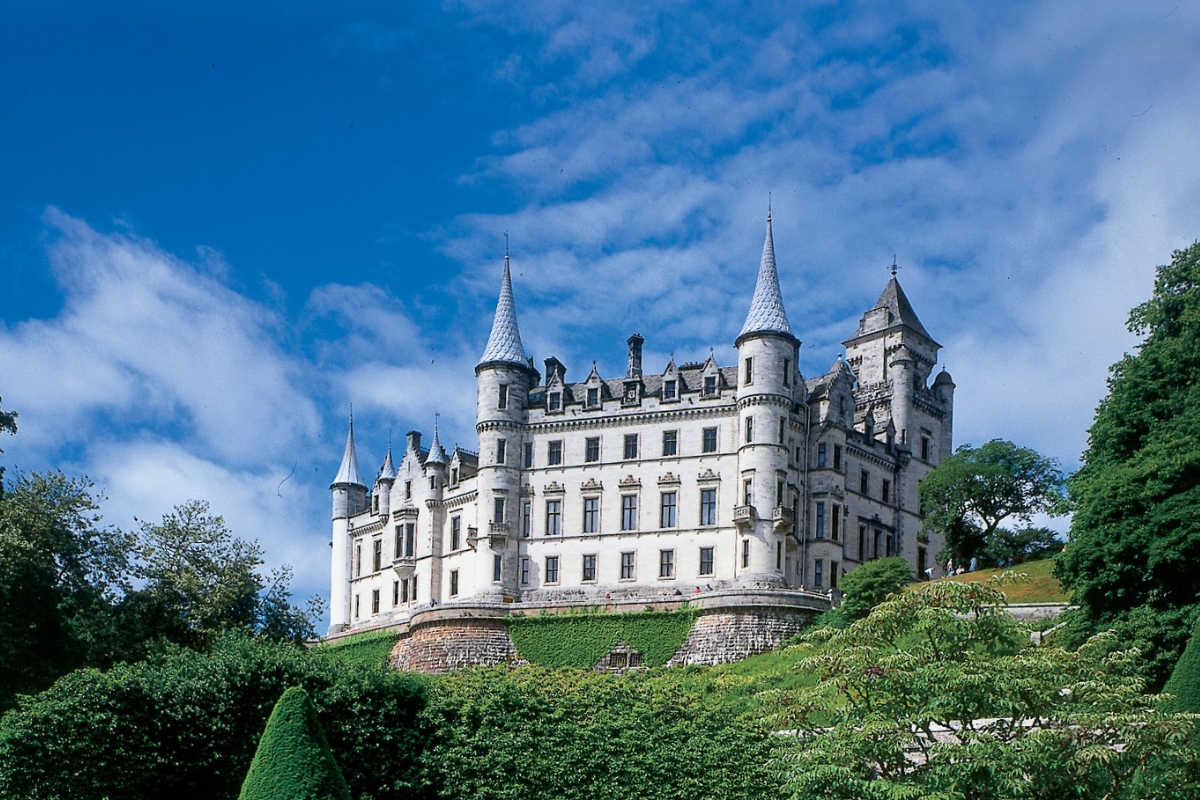
Dunrobin Castle is a true gem in Scottish castle tours. Located in the northern Highlands, it’s part of a one-day tour along the famous North Coast 500 scenic route. This elegant castle stands out for its French château-inspired architecture, making it visually distinct from many other Scottish castles.
This historic structure features:
- 189 rooms, making it one of the largest in the northern Highlands
- Stunning formal gardens inspired by Versailles
- A fascinating museum of artifacts
- Spectacular views over the Moray Firth
Tours start from Inverness and provide in-depth knowledge of Scotland’s rich history, with expert guides sharing stories of the powerful Sutherland family who owned the castle for over 700 years. Visiting Dunrobin Castle adds depth to your understanding of Scottish heritage beyond the more commonly visited central regions.
Eilean Donan Castle
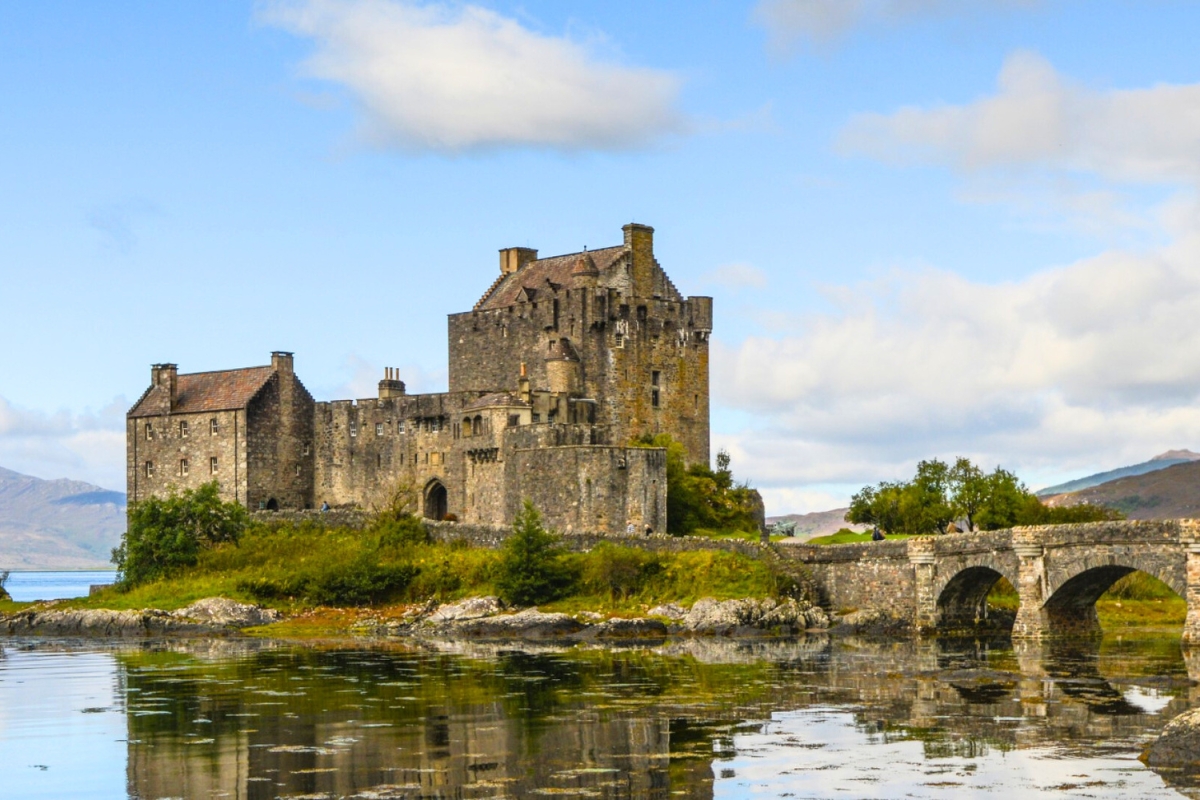
Eilean Donan Castle is renowned worldwide, having appeared in numerous films and photographs as an iconic symbol of Scotland. Its stunning architecture and picturesque setting on an island where three sea lochs meet make it a must-visit spot for any castle enthusiast.
Accessible via day tours from Inverness with prices starting at £68.00, it’s an affordable way to explore one of the Scottish Highlands’ most photogenic locations. The castle is famed for old clan rivalry tales that are integral to Scottish culture, particularly the stories of the MacKenzies and MacRaes who controlled this strategic location.
Eilean Donan is also part of multi-day tours showcasing the area’s breathtaking scenery, including the impressive mountains of Kintail and the route to the Isle of Skye. Visitors can explore the restored interior rooms, which feature period furniture and fascinating Jacobite relics.
Urquhart Castle

Urquhart Castle stands as one of Scotland’s most dramatically situated castles, perched on the shores of Loch Ness in the Great Glen. These magnificent ruins tell the story of over 1,000 years of Scottish history, having witnessed countless conflicts during its active years from the 13th to 17th centuries.
The castle’s strategic location offered control of the Great Glen, a key route through the Highlands, making it a focal point for power struggles throughout Scottish history. Today, Urquhart offers unparalleled views across the mysterious waters of Loch Ness, making it a photographer’s dream and a favorite spot for Nessie watchers.
Visitors can explore an impressive collection of artifacts discovered at the site, a full-sized trebuchet siege engine, and the Grant Tower which provides panoramic views of the surrounding landscape. The modern visitor center houses a fascinating exhibition, cinema showing the castle’s dramatic history, and an excellent café with views of the ruins.
For those interested in Highland history, Urquhart Castle provides insights into clan warfare, the Wars of Independence, and the Jacobite risings. Its spectacular setting and rich history make it an essential stop on any comprehensive Scottish castle tour.
Thirlestane Castle

Another remarkable castle that deserves attention is Thirlestane Castle, a magnificent example of Scottish Baronial architecture. For those interested in aristocratic history and well-preserved historic interiors, our detailed guide to Thirlestane Castle: The 400-Year-Old Fortress of Scottish Aristocracy provides an in-depth look at this architectural gem in the Scottish Borders.
Architectural Styles of Scottish Castles
Scotland is home to many ancient castles that tell tales of history through their unique architectural styles. These castles are not only stunning examples of historical fortifications but also reflect the cultural and aesthetic changes over the centuries.
Medieval Architecture
Medieval Scottish castles, like Castle Fraser, are known for their grand tower houses. These structures served as both defensive fortresses and residences for nobility. The baronial style seen in Castle Fraser is typical of this period, marked by robust stonework and towering battlements.
Key features of medieval castle architecture include:
- Thick defensive walls with minimal openings
- Arrow slits for defense rather than large windows
- Great halls for gathering and dining
- Narrow, spiral staircases (often built clockwise to give defenders an advantage)
- Defensive features like portcullises, drawbridges, and moats
Crathes Castle is another example that combines practical fortification with elements of whimsy, such as its pinkish façade and fairytale-like turrets. These elements showcase how even defensive structures incorporated aesthetic considerations and status symbols.
Renaissance Influences
The Renaissance period introduced new design elements to Scottish castles as defense became less critical and comfort more important. Castle Fraser showcases grandeur typical of the Renaissance through its elegant gardens and detailed stonework.
Renaissance castle features include:
- More symmetrical designs
- Larger windows for light and views
- Decorated ceilings and ornate fireplaces
- Formal gardens with geometric patterns
- Emphasis on comfort and display rather than defense
The turrets and façades of Crathes Castle highlight Renaissance aesthetics with intricate designs. These castles exemplify the era’s emphasis on harmony between architecture and nature, with structured landscapes enhancing their beauty.
Baroque and Victorian Styles
The Baroque and Victorian eras brought lavish decorations and elaborate gardens to castles like those seen in Edinburgh Castle. The Royal Palace at Edinburgh showcases a blend of architectural styles, demonstrating the evolution from medieval robustness to Baroque and Victorian ornamentation.
During these periods, many castles were extensively renovated or rebuilt to reflect changing tastes and social aspirations:
- Ornate decorative elements and detailed stonework
- Grand entrances and impressive staircases
- Extensive use of glass in large windows
- Luxurious interiors with rich furnishings and artwork
- Elaborately landscaped gardens and grounds
These periods emphasized grandeur and reveal the artistic movements that influenced British history, often incorporating romantic elements that idealized Scotland’s past.
Planning Your Visit
Planning a visit to historic castles requires a bit of foresight to ensure the best experience. Castle tours are popular attractions, particularly during summer months, and often require pre-booking to guarantee access.
Booking Information and Tips
Spots on guided tours are limited, so it’s best to secure your place in advance, especially if you’re visiting during peak tourist season (June-August). Tickets for official guided tours are typically priced at around £3.50 per visitor, representing excellent value for the insights provided.
However, if you are a Historic Scotland member, you can enjoy complimentary access to many castles and guided tours. For frequent visitors, this membership can provide significant savings and additional benefits.
Make sure to arrive at the tour meeting point 15 minutes early. This will help in managing entry smoothly, as there may be crowds during busy periods. Keep in mind that tours can be adjusted or cancelled if the weather is poor, particularly for castles with significant outdoor components. If this happens, you will be notified and refunded.
For a unique experience, consider staying within historic castles as part of your tour. Many Scottish castles have been converted into hotels or offer accommodation within their grounds, allowing for an immersive historical experience.
Itineraries for Castle Tours
When it comes to castle tours, flexibility is key to creating a memorable experience tailored to your interests. With self-drive options, you can customize your itinerary to match your pace and preferences.
For travelers seeking expertly crafted routes and insider information, SavingCastles.com offers the Ultimate Castle Travel Guide for the United Kingdom — a comprehensive digital guide accessible on your mobile device. This guide provides detailed Scottish castle itineraries with turn-by-turn directions, historical context, and special access information not available in standard guidebooks.
Popular tours featured in our guides include visits to Melville Castle in Edinburgh and Tulloch Castle in the Highlands, offering a contrast between lowland and highland architectural styles. The Edinburgh to the Highlands Castle Tour offers stunning views and stops at places like Dalmunzie Castle, combining historical exploration with scenic drives.
You can choose between guided and self-guided tours, allowing you to explore at your own pace or benefit from expert knowledge. Guided tours provide insights from knowledgeable guides who can share stories and historical context that might be missed when exploring independently.
Some exclusive tours, such as those at Balmoral Castle (the Scottish home of the British Royal Family), offer rare access to royal interiors. These special access tours give you a better understanding of these historic sites and provide unique photo opportunities not available to regular visitors.
A sample 3-day castle tour itinerary (just a taste of what you’ll find in our complete digital guides) might include:
Day 1: Edinburgh Area
- Edinburgh Castle (morning)
- Craigmillar Castle (afternoon)
- Optional evening ghost tour of Edinburgh’s haunted locations
Day 2: Stirling and Perthshire
- Stirling Castle (morning)
- Doune Castle (early afternoon)
- Blair Castle (late afternoon)
Day 3: Aberdeenshire Castle Trail
- Castle Fraser (morning)
- Crathes Castle (afternoon)
- Dunnottar Castle for sunset views
For much more detailed itineraries, including lesser-known castle gems, insider access tips, and specialized themed routes (like “Jacobite Castles” or “Royal Residences”), download our Ultimate Castle Travel Guide for the United Kingdom from SavingCastles.com.
Transportation Options
For most castle tours, self-driving is a popular choice. This allows travelers to explore scenic routes at their leisure and visit castles according to their own schedule. Scotland’s roads are generally well-maintained, though some castle locations may involve narrow country roads.
If driving isn’t your preference, many tour companies offer chauffeured options with professional drivers familiar with the best routes. This allows you to focus entirely on the scenery and history rather than navigation.
For organized tours, check-in typically begins at 08:30, with departures set for 08:45 from designated locations in Edinburgh or other major cities. This ensures a punctual start and maximizes visiting time at each castle.
Travelers should note luggage restrictions on organized tours: one piece of luggage up to 14 kg and a small personal bag is standard. If you’re planning a multi-day tour, pack efficiently to comply with these limitations.
Public transportation can access many of the major castles, particularly those in urban areas like Edinburgh and Stirling. However, reaching remote castles may require a combination of trains, buses, and possibly taxis for the final leg of the journey.
Accessibility Considerations
Accessibility is an important aspect of castle tours that requires careful planning. Most major castles provide an Access Guide with specific details for visitors with different needs, but it’s worth researching in advance as historic structures often present challenges.
Tours may be altered if weather conditions are unfavorable, and guests will be notified of cancellations with automatic refunds. This is particularly important for visitors with mobility concerns who may find wet or icy conditions challenging.
For those with mobility challenges, many castles have made adaptations where possible, though complete accessibility cannot always be guaranteed in centuries-old buildings. Resources exist for D/deaf or hard of hearing visitors, including visual guides and subtitled video presentations at many locations.
There is also tailored information for blind or partially sighted visitors, including touch tours and descriptive guides at some castles. Due to steep and cobbled walkways in and around many castles, be sure to wear suitable clothing and footwear for comfort and safety.
Audio guides in various languages ensure that international visitors have an enjoyable and inclusive experience, with most major castles offering guides in at least 5-10 different languages.
Family-Friendly Activities
Exploring castles with family can be a magical experience that brings history to life for visitors of all ages. Many Scottish castles have recognized the importance of engaging younger visitors and offer specifically designed programs and activities.
Kid-Friendly Tours and Exhibitions
Castles often offer free entry for kids aged 4 and under, making historic sites more accessible for families with young children. Many locations provide family tickets that offer discounted rates for parents visiting with children.
Most major castles have developed exhibitions with younger visitors in mind, featuring interactive elements, dress-up opportunities, and child-friendly explanations of historical events. Edinburgh Castle, for example, offers a dedicated children’s exhibition about castle life.
Seasonal events bring additional excitement to castle visits. Windsor Castle hosts special family programs like Medieval Mayhem and Royalists and Rebels during school holidays. Similar themed events occur at Scottish castles throughout the year, particularly during summer months and school breaks.
Most events invite children to participate actively rather than passively observe, ensuring they stay engaged with history through hands-on activities and role-playing opportunities.
Scavenger Hunts and Interactive Experiences
Many Scottish castles offer specially designed scavenger hunts and activity trails that encourage children to explore the grounds while searching for specific items or solving puzzles. These can be particularly effective at maintaining children’s interest during longer visits.
Digital innovations have enhanced these experiences, with some castles now offering app-based hunts or augmented reality features that bring historical figures and events to life through smartphones or tablets.
Costume opportunities allow children (and sometimes adults!) to dress in period-appropriate attire, creating memorable photo opportunities and a deeper connection to the historical period being explored. Many gift shops also sell costume elements that children can take home as souvenirs.
Special demonstrations of historical crafts, weaponry, and daily life activities are regularly scheduled at larger castles. These might include archery displays, falconry demonstrations, or cooking presentations using traditional methods.
Educational Programs for Children
Children can enjoy educational activities like “Glorious Gardens” during summer holidays. This event typically runs with standard admission and encourages children to learn about historical gardening practices and plant identification.
Many castles host special events like “Royal Reminiscence,” which offers family-friendly educational programming. These events aim for broader educational access while making learning enjoyable.
Activities centered on historical figures like Mary, Queen of Scots, or Robert the Bruce provide interactive lessons about important personalities in Scottish history. Children learn about royal history through engaging stories and hands-on activities, making the past come alive in a fun way.
Some castles coordinate with schools to align their educational offerings with curriculum requirements, making them valuable destinations for school trips as well as family visits.
Unique Attractions at Castles
Beyond the standard tours and architectural appreciation, many Scottish castles offer unique attractions that make each visit distinctive and memorable.
Special Access and Exclusive Experiences
Explore the wonders within ancient castle walls through special access programs. Windsor Castle, though not in Scotland but relevant to castle enthusiasts, stands as the oldest inhabited castle and continues as a royal home with grand state apartments and St George’s Chapel.
For a more personal experience, Balmoral Castle offers intimate tours for just ten people at a time, providing unprecedented access to royal living spaces. These exclusive small-group experiences often need to be booked well in advance but offer insights not available on standard tours.
Discover the aura of royal life with a chance to savor unique Afternoon Tea experiences at several castles. Edinburgh Castle, for example, offers a specially curated Scottish Afternoon Tea Experience paired with castle admission, featuring traditional Scottish treats alongside the usual tea service fare.
Gardens and Landscapes
Experience the enchantment of castle gardens, which often reflect centuries of horticultural tradition and design philosophy. Castle Fraser boasts an 18th-century walled garden, a perfect complement to its baronial architectural style. These historic gardens often feature plants and designs authentic to different historical periods.
Crathes Castle entices visitors with fairytale gardens and charming landscape features that enhance its architectural beauty. The famous June Border at Crathes is particularly renowned for its colorful display during summer months.
At some castle grounds, visitors can witness seasonal displays of flowers and formal garden designs that showcase historic landscaping techniques. Garden enthusiasts might plan their castle tours around optimal blooming seasons for specific locations.
Visitors at Castle Fraser and Crathes Castle can meander through gardens at their leisure, soaking in the beauty around them. Many castles now offer specialized garden tours with horticultural experts who can explain the significance of different plants and design choices.
Themed Events and Festivals
Edinburgh Castle elevates history with themed events throughout the year. These range from historical reenactments to seasonal celebrations that bring different aspects of the castle’s past to life.
Special events, like those scheduled for upcoming seasons, promise fun activities for families and children that combine entertainment with educational content. Historical festivals often feature period music, food, and demonstrations of traditional crafts and skills.
Many castles serve as atmospheric backdrops for concerts, theater performances, and other cultural events, particularly during summer months. These events provide unique opportunities to experience historic spaces in new contexts.
For those interested in paranormal activities, ghost tours and Halloween events at reportedly haunted castles offer thrilling nighttime experiences that highlight the spookier aspects of these historic sites.
Accommodation Tips
For the ultimate castle tour experience, consider staying in or near the historical sites you’re visiting. Scotland offers various accommodation options connected to its castle heritage.
Castle Hotels and Nearby Accommodations
Several historic Scottish castles have been converted into luxury hotels, allowing guests to sleep within the same walls that housed nobility centuries ago. These castle hotels typically retain historical features while providing modern comforts.
Popular castle hotels include:
- Inverlochy Castle Hotel near Fort William
- Fonab Castle Hotel in Pitlochry
- Dalhousie Castle near Edinburgh
- Glenapp Castle in Ayrshire
The National Trust for Scotland also offers unique accommodation options within historic properties, including some castle grounds. These range from cozy cottages to elegant apartments, providing a more intimate connection with Scotland’s heritage while supporting conservation efforts.
Self-catering options are also available in some castle estates, where converted outbuildings or gate houses provide independent accommodation with kitchen facilities while still offering access to castle grounds.
Booking Considerations for Castle Stays
Castle accommodations are highly sought after, particularly during peak tourist season (May-September). Booking 6-12 months in advance is recommended for the most popular castle hotels.
Many castle hotels offer special packages that combine accommodation with exclusive castle tours, dining experiences, or activities like falconry or archery. These packages often represent better value than booking components separately.
When staying at castle hotels, inquire about the history of your specific room or suite. Many have interesting stories or were occupied by notable historical figures, adding another dimension to your stay.
Be aware that historic buildings may have different accessibility considerations than modern hotels. If you have specific mobility requirements, discuss these with the accommodation provider before booking.
Photography Tips for Castle Tours
Capturing the majesty and details of Scottish castles requires some photographic know-how. Whether you’re a serious photographer or simply wanting to document your journey, these tips will help you create memorable images.
Best Angles and Lighting Conditions
Early morning and late afternoon offer the “golden hours” when sunlight is warm and directional, highlighting the texture of castle stonework. These times are ideal for exterior photography, especially for castles with eastern or western exposures.
For dramatic atmospheric shots, consider visiting during or shortly after rainfall when stone surfaces appear more saturated and the sky may feature dramatic cloud formations. Some photographers specifically plan castle visits during misty conditions for ethereal effects.
When photographing castle interiors, be aware of the challenging lighting conditions. Many historic rooms have a combination of natural window light and artificial illumination. Consider using HDR techniques or bracketing exposures to capture both shadow detail and highlights.
Look for unique vantage points that capture both the castle and its setting in the landscape. Elevated positions from nearby hills or purpose-built viewing platforms can provide distinctive perspectives not obvious to casual visitors.
Instagram-Worthy Castle Spots
Each Scottish castle offers unique photo opportunities that are perfect for social media sharing. Here are some not-to-miss spots that our SavingCastles.com guides highlight:
Edinburgh Castle:
- The One O’Clock Gun with the city skyline in the background
- St. Margaret’s Chapel (the oldest building in Edinburgh) with its intimate interior
- The Crown Jewels display with dramatic lighting (where photography is permitted)
- The view from the castle esplanade looking back toward the Royal Mile
Eilean Donan Castle:
- The classic approach shot with the castle reflected in the loch
- The stone bridge connecting the island to the mainland
- The intimate courtyard with flags flying
- The narrow windows framing views of the surrounding mountains
Stirling Castle:
- The Great Hall with its distinctive yellow-lime exterior
- The Royal Palace’s elaborately decorated Stirling Heads ceiling
- The view from the walls looking toward the Wallace Monument
- The colorful Royal Gardens with the castle looming above
Our digital guides include a “Photo Walks” feature that guides you to the best photography locations at each castle, with specific tips for different times of day and weather conditions.
Social Media Sharing and Hashtags
When sharing your castle tour photos on social media, use relevant hashtags to connect with fellow castle enthusiasts and increase visibility. Popular tags include:
- #ScottishCastles
- #CastleTour
- #HistoricScotland
- #ScotlandTravel
- Location-specific tags like #EdinburghCastle or #EileanDonan
Many castles have official social media accounts and specific hashtags they promote. Check their websites or on-site signage for these details, as using their preferred tags may result in your photos being reshared to wider audiences.
Consider creating a dedicated album or collection for your castle tour photos to tell a cohesive story of your journey. This approach works well across multiple platforms including Instagram, Facebook, and dedicated travel blogs.
Preserving Scotland's Castle Heritage
Scotland’s historic castles are more than just tourist attractions; they represent an irreplaceable cultural heritage that requires ongoing conservation efforts. As visitors, we have both the privilege of experiencing these magnificent structures and a responsibility to help preserve them for future generations.
The Challenges of Castle Preservation
Scotland’s castles face numerous preservation challenges, including:
- Weathering from Scotland’s harsh climate, particularly wind-driven rain and freeze-thaw cycles
- Structural issues in buildings that may be several centuries old
- Modern pollution affecting stonework and decorative elements
- Rising maintenance costs and limited public funding
- Balancing authentic preservation with visitor safety and accessibility requirements
Organizations like Historic Environment Scotland work tirelessly to address these challenges, but they cannot do it alone. Sustainable tourism plays a vital role in generating the funds needed for conservation work.
How Your Visit Helps
When you visit a Scottish castle, your entrance fee directly contributes to its preservation. Many castles operate as charitable trusts or not-for-profit organizations that reinvest tourism revenue into essential maintenance and restoration projects.
At SavingCastles.com, we’re committed to supporting preservation efforts. A portion of every Ultimate Castle Travel Guide for the United Kingdom purchase is donated to castle conservation initiatives across Scotland. Our guide also highlights specific restoration projects at each castle, allowing visitors to understand the ongoing work and its importance.
“Thanks to the restoration information in the SavingCastles.com guide, we attended a stone masonry demonstration at Stirling Castle. My children were fascinated to learn how traditional techniques are keeping these magnificent buildings standing.” — Sarah T., Manchester
Responsible Castle Tourism
As responsible visitors, we can all contribute to castle preservation by:
- Following all site rules and restrictions, which are designed to protect sensitive historical features
- Staying on designated paths to prevent erosion and damage to archaeological remains
- Refraining from touching delicate surfaces, artifacts, or furnishings unless explicitly permitted
- Supporting castle gift shops and cafes, which provide additional revenue for conservation
- Considering membership in heritage organizations that support castle maintenance
- Sharing knowledge about the importance of preservation with fellow travelers
By approaching castle tourism mindfully, we help make sure these magnificent structures will continue to inspire wonder for centuries to come.
Frequently Asked Questions About Scottish Castle Tours
Scotland’s distinct seasons offer different experiences for castle visitors. Understanding the advantages and challenges of each can help you plan the optimal castle tour.
Best Time of Year to Visit
Summer (June-August) offers the longest daylight hours, sometimes extending until 10 PM in northern Scotland. This provides maximum time for exploration and photography. Summer also typically features the fullest calendar of special events, reenactments, and living history demonstrations.
Spring (April-May) presents castles surrounded by blooming gardens and fresh greenery. Visitor numbers are typically lower than in summer, resulting in a more relaxed experience with shorter queues. Weather can be variable but often features clear, crisp days ideal for photography.
Autumn (September-October) transforms castle grounds with spectacular fall colors, particularly in wooded estates. Light quality is often excellent for photography, with warm tones and longer shadows creating dramatic effects. This season also typically offers fewer crowds while still maintaining good access to facilities.
Winter (November-March) showcases castles in a different light, sometimes dusted with snow or emerging from morning mist. While some smaller or remote castles may have reduced hours or seasonal closures, major sites remain open with significantly fewer visitors. Christmas-themed events at many castles create unique seasonal experiences.
Weather Preparedness
Scotland’s weather is famously changeable in all seasons. Layered clothing is essential for castle tours, as you’ll move between exposed outdoor areas and sometimes cool interior spaces. Even in summer, a waterproof jacket should be part of your essential kit.
Comfortable, waterproof footwear with good grip is recommended, as castle grounds often feature uneven stone surfaces that can become slippery when wet. Many castle sites involve significant walking on varied terrain.
Sun protection is important even on cloudy days, particularly if you’ll be spending hours outdoors exploring castle grounds. Scotland’s northern latitude can result in deceptively strong UV exposure.
In winter months, daylight hours are limited (as few as 6-7 hours in December), so plan your castle visits to make the most of available light. Check sunset times and last entry information carefully during this season.
Final thoughts
A Scottish castle tour offers a unique journey through time, allowing visitors to connect with centuries of history while enjoying some of the world’s most spectacular architectural achievements. From the iconic silhouette of Edinburgh Castle to hidden gems like Broughty Castle, Scotland’s historic fortresses provide windows into different eras and the people who shaped them.
As you plan your castle tour adventure, remember that each castle tells its own story—of royal ambitions, clan rivalries, architectural innovations, and the daily lives of people across the social spectrum. By visiting these magnificent structures, you become part of their ongoing story and help ensure their preservation for future generations.
Whether you’re capturing the perfect photograph, participating in a family-friendly activity, or simply soaking in the atmosphere of ancient stone halls, Scotland’s castles offer experiences that will create lasting memories. The combination of dramatic history and breathtaking settings makes a Scottish castle tour a truly unforgettable travel experience.
For travelers who want to maximize their castle exploration experience, our Ultimate Castle Travel Guide for the United Kingdom provides an unparalleled resource. This mobile-based digital guide offers detailed itineraries, historical insights, and exclusive tips that will enhance your journey through Scotland’s most magnificent structures. Available exclusively at SavingCastles.com, this guide is your perfect companion for navigating Scotland’s rich castellated landscape.
Start planning your journey through Scotland’s castellated past today, and prepare to step back in time while creating new stories of your own. Visit SavingCastles.com to download your Ultimate Castle Travel Guide for the United Kingdom and begin your ultimate castle tour adventure.
About the Author
Monte Schumacher is the Co-Founder of SavingCastles.com and a Historic Preservation Expert with 30+ years of experience. His career spans from restoring museum antiquities to consulting on historic building projects, all driven by his passion for saving Europe’s medieval heritage.
“There’s something magical about running your hand along stones that have witnessed centuries of history,” Monte often says of his connection to these historic structures.
Through SavingCastles.com and the Ultimate Castle Travel Guide for the United Kingdom, Monte combines preservation expertise with medieval history knowledge to help these stories live on for generations to come.


